Africa-Press – Malawi. The Ministry of Local Government, Unity and Culture has said the government is struggling to successfully implement the decentralisation agenda because of frustrations from other ministries, departments and agencies (MDAs). The government started advancing the decentralisation agenda around 2000 and, 24 years down the line, it has not finished devolving all of its MDAs.
Director of Local Government Services Douglas Mkweta told delegates to a meeting in Lilongwe, where the ministry and United States Agency for International Development (Usaid)— which is funding the Governance for Solutions (GfS) initiative— unveiled a decentralisation lab.
The lab is designed to help the government deal with bottlenecks that are slowing down implementation of the Decentralisation Policy. The lab aims to identify problems in MDAs that slow down decentralisation and bring solutions to them.
“We started the process enthusiastically around 2000. We thought everything would move fast but we slowed down.
We were being reported to the Office of the President and Cabinet [by people who were claiming] that the Ministry of Local Government considered itself as a super ministry to push MDAs.
“Some MDAs thought that some of the resources transferred to local authorities for all ministries that are devolved would belong to the Ministry of Local Government.
That does not make the Ministry of Local Government bigger,” Mkweta said. He also said there is a misunderstanding of decentralisation in some MDAs, including the Ministry of Local Government itself.
“With such challenges, we said ‘let us start again, move together’. The coming of the lab is opening a new chapter in decentralisation,” he said.
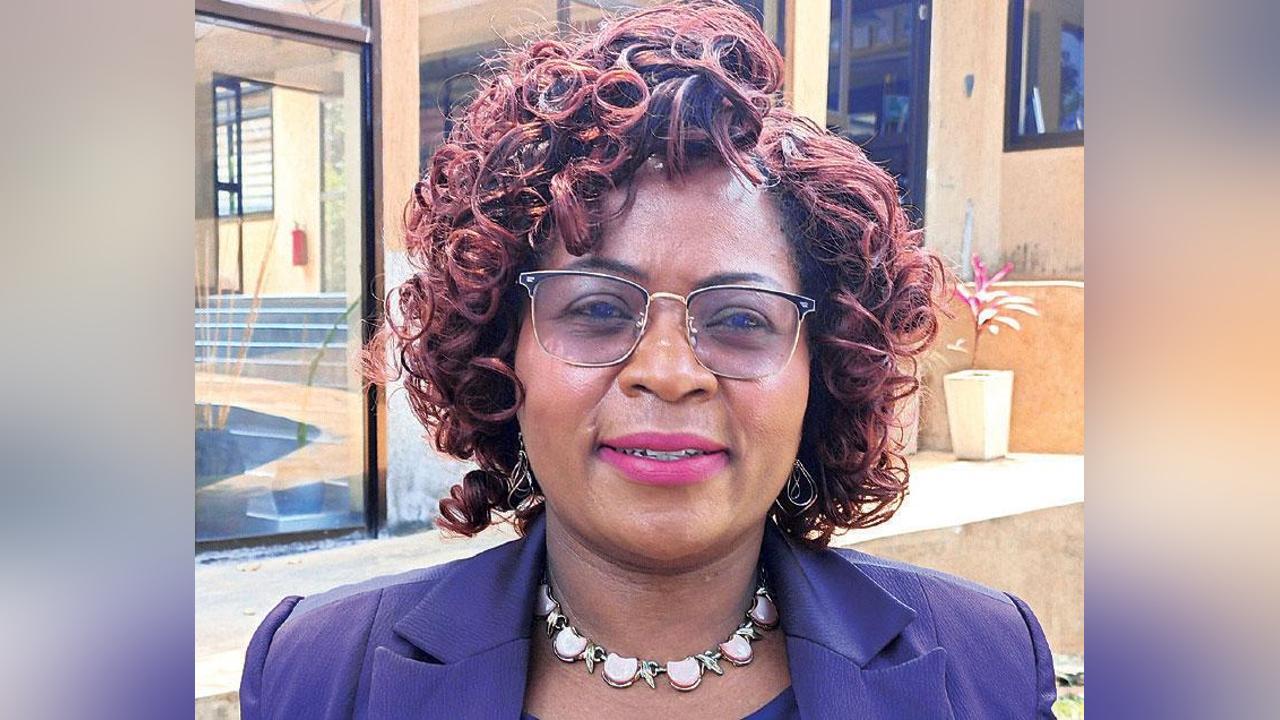
Principal Secretary for Local Government, Unity and Culture Esmie Kainja said some MDAs have not yet devolved, notably those under lands, mining, transport and tourism.
She added that the process of devolution is at 70 percent implementation rate. Kainja concurred with Mkweta that the decentralisation process has taken long, characterised by misunderstandings and complications.
“The lab has, therefore, come at a right time when our Decentralisation Policy has just been approved by Cabinet and we are looking [forward] to the implementation [phase].
“The lab is coming to help us work together, and in a coordinated manner, to tackle problems together. We are now open to our partners to make sure that they point out to us where we are missing it,” Kainja said.
According to Governance for Solutions Chief of Party Stephen Snook, the lab is composed of MDAs that have a financing or coordinating responsibility over peers such as the Ministry of Finance, Local Government, Unity and Culture, the Department of Human Resource Management and Development, Malawi Local Government Service Commission and National Local Government Finance Committee.
The lab will be reporting to the office of the President and Cabinet. “GfS is committed to providing technical and financial support to support initial research and analysis and the ongoing capacity building efforts of the existing staff in order to ensure sustainability in the long run,” Snook said.
For More News And Analysis About Malawi Follow Africa-Press