Africa-Press – Malawi. A bitter and fast-escalating internal revolt has erupted within the Teachers Union of Malawi (TUM), exposing deep fractures, simmering anger, and explosive allegations of financial mismanagement that now threaten to tear the union apart from within.
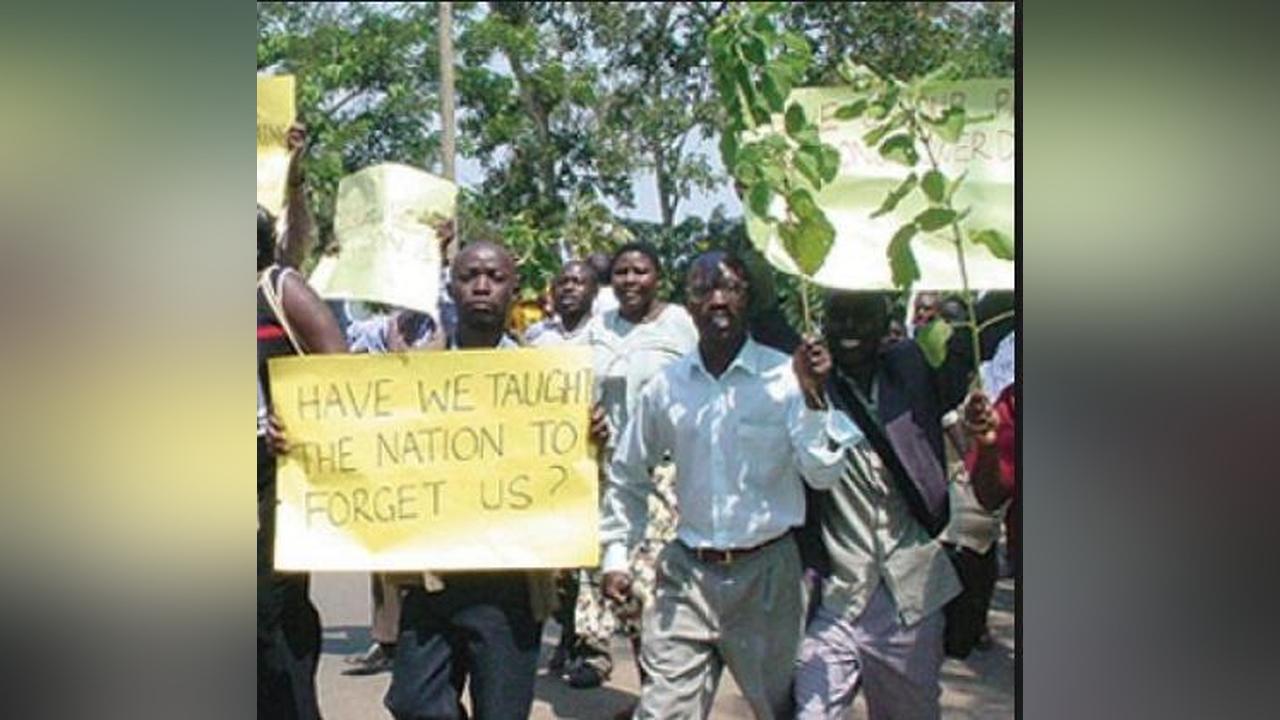
Operating under the banner Concerned Teachers of Malawi, a furious group of educators has issued a seven-day ultimatum demanding the immediate resignation of the entire TUM leadership, accusing it of betraying the very teachers it was mandated to defend.
In a strongly worded letter dated April 3, 2026—signed by acting chairperson Youssef Chindamba and secretary general Azeez Losa and copied to the Anti-Corruption Bureau—the group lays bare what it describes as systemic failure, secrecy, and possible abuse of funds at the heart of the union.
At the centre of the storm are damning claims that TUM leaders have abandoned their core mandate, leaving teachers to battle worsening economic hardship alone.
“This neglect has left many teachers struggling and feeling abandoned by the very union meant to protect their interests,” the letter reads, pointing to the union’s alleged silence on critical issues such as salary adjustments, housing allowances, and incentives.
But it is the accusations of financial opacity that have ignited the fiercest outrage.
The group alleges that millions of kwacha collected from teachers remain unaccounted for, with no financial reports made available to members—raising serious questions about the integrity of the union’s financial systems.
“Transparency and accountability are fundamental to trust,” the letter declares. “Your failure to provide these reports raises serious questions about the integrity of the union’s financial management.”
In an extraordinary escalation, the group is demanding that the entire TUM secretariat—including the president, secretary general, and treasurer—step aside immediately to allow for a full-scale investigation.
They cite public allegations, including those made by activist Bon Kalindo, claiming that union officials are misusing teachers’ funds—claims the group insists can no longer be ignored.
The warning that follows is as dramatic as it is unprecedented: comply within seven days or face a grassroots shutdown of the union itself.
“If you fail… we will close the offices ourselves and will remain at Aphunzitsi House until the truth comes out,” the group warns, framing the move not as a threat but a “solemn commitment” to justice and accountability.
The response from TUM leadership, however, has been dismissive.
TUM Secretary General Charles Kumchenga distanced the union from the aggrieved group, questioning its legitimacy and suggesting its members remain unknown to the official structures.
“It looks like the letter was submitted… but we do not know who they are,” Kumchenga said, urging the complainants to channel their concerns through established district and divisional leadership.
But that response is unlikely to calm a rebellion that appears to be fueled by deep frustration, economic pressure, and a growing perception that the union has become detached from the daily struggles of its more than 76,000 members.
What is now unfolding is more than a dispute—it is a full-blown credibility crisis.
With the leadership in the fourth year of its mandate and calls for an anti-corruption probe gaining traction, the coming days could define not just the future of TUM, but the broader fight for accountability within Malawi’s labour movement.
If the allegations hold—or if the leadership fails to decisively respond—the union risks collapsing under the weight of its own internal war.
For More News And Analysis About Malawi Follow Africa-Press