Africa-Press – Mauritius. The Mauritius population is a multicultural and multilingual society. The people trace their ancestry to the four corners of the world and value their ancestral languages which they have, in large part, preserved to this day through daily use.
Most languages coming from Africa have not survived because of the inhuman survival conditions prevailing during the slavery period in Mauritius. However, others coming from the Indian subcontinent in the wake of the Indian Immigration have survived and are flourishing in certain domains.
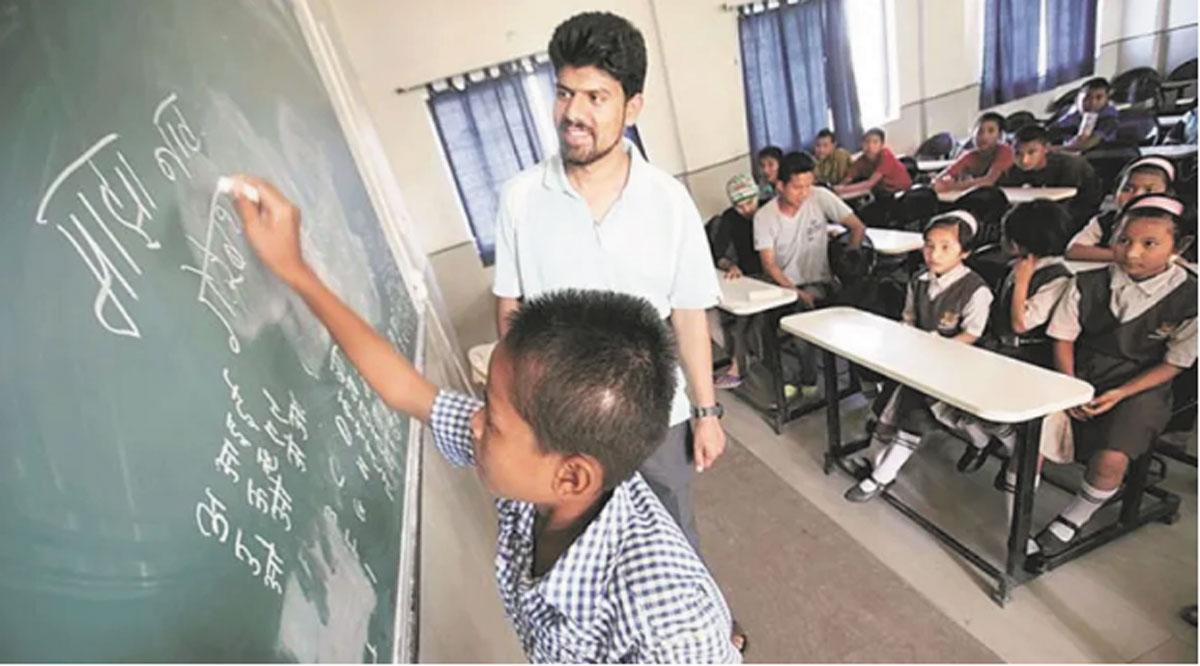
Whereas some are taught in schools (like Hindi, Tamil, Telugu, Marathi), others are used at home (like Bhojpuri, and till quite lately, Tamil and Telugu).
Today, the people of Mauritius value not only their ancestral tongues, but also all the other languages spoken on the territory, especially those that are indispensable for communication on the wider scale. The Mauritian Creole (Kreol Morisien) is the language spoken fluently by all.
The two international languages English and French, taught as from kindergarten and primary school, are valued as the languages of education, for better job prospects and generally of social uplift, making the people of Mauritius essentially multilinguals.
Ignoring this characteristic of the population can only lead to misconceptions about languages spoken in the country. Especially so on account of the polyglossia that characterizes the language situation prevalent in the country (Asgarally, 2015).
The language situation in a country can be apprehended in two ways: first by the figures supplied by censuses and second by observation of the size of linguistic groups. Censuses being State undertakings no doubt carry the weight of objectivity.
However, can censuses render exact pictures of realities or for that matter, can the official interpretation of figures be true to reality? Above all, can subtle crookedness of questions jeopardize the very validity of the census exercise?
According to the ‘2011 Population Census Main Results’ issued by the Central Statistics Office of Mauritius, some 5.3% of the Mauritian population speak the Bhojpuri language.
The graph provided in the report compared the figure with that of the 2000 census, whereby 12.1% spoke Bhojpuri. This would mean that, in the span of ten years, more than half of the speakers of Bhojpuri dropped the language, but this does not seem very realistic.
If we analyse the figures supplied by the different decennial censuses of Mauritius since 1983, when for the first time Bhojpuri was considered a language in its own right to figure in the census, the results are as follows
For More News And Analysis About Mauritius Follow Africa-Press