What You Need to Know
The Common Market for Eastern and Southern Africa (Comesa) has captured 67% of all Foreign Direct Investment (FDI) flows into Africa, marking a historic surge of 154% in 2024. This growth is attributed to rising investor confidence and major projects in the region, with Kenya playing a significant role in renewable energy investments and overall economic development.
Africa-Press – Mauritius. THE Common Market for Eastern and Southern Africa is strengthening its position on the global investment map, now accounting for 67 per cent of all Foreign Direct investment flows into Africa.
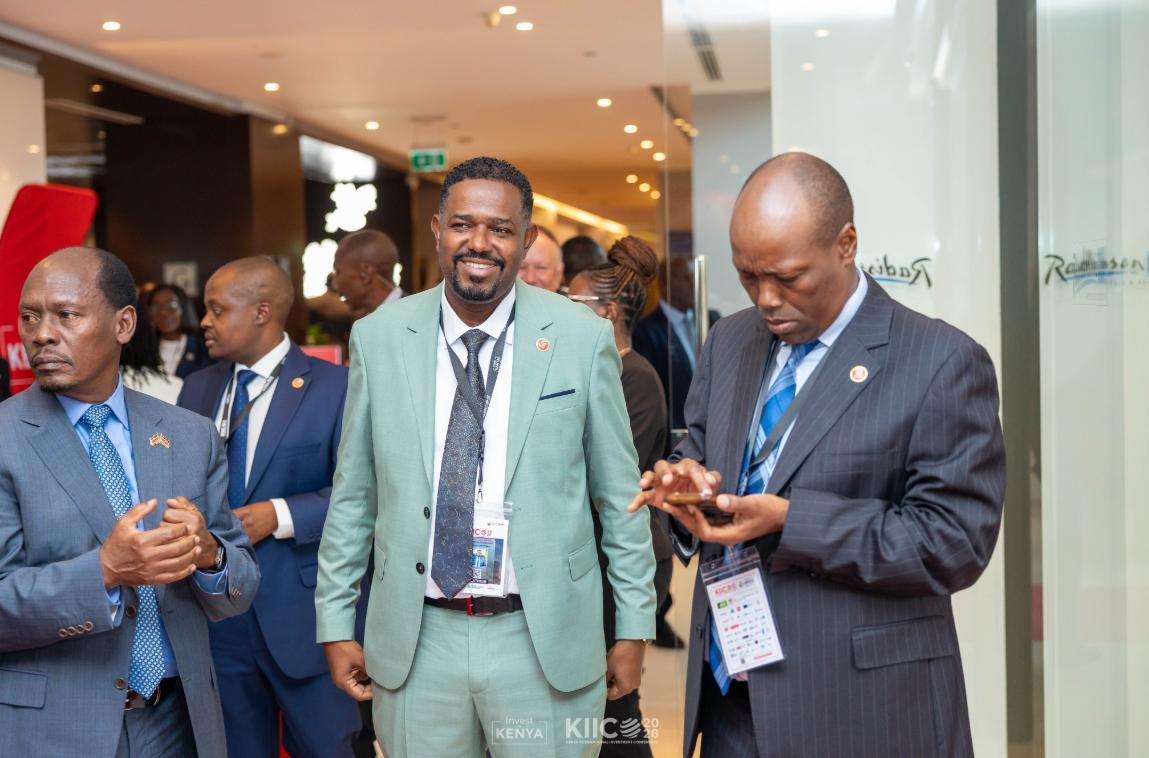
This was noted at the second Comesa Investment Forum (CIF) held alongside the Kenya International Investment Conference (KIICO) in Nairobi this week.
According to Comesa Regional Investment Agency (RIA) CEO Heba Salama, FDI inflows into Comesa member states, which Kenya is part of, recorded a historic surge of 154 per cent in 2024, reaching $65 billion (Sh8.4 trillion).
This is despite global economic challenges that have persisted since the beginning of the decade.
Last year, inflows to Kenya grew by over 15 per cent exceeding $2 billion (Sh259.2 billion) for the first time.
Salama has attributed the inflow growth to the bloc to rising investor confidence and large-scale catalytic projects in the region.
Comesa’s share of global FDI inflows doubled from two per cent to four per cent while its share of FDI directed to developing economies increased from three per cent to seven per cent.
Project finance in the region also witnessed notable growth, nearly doubling to $79 billion (Sh10.3 trillion) while greenfield investments maintained strong performance, exceeding $77 billion (Sh10 trillion).
Sectoral trends point to a shift in investment priorities, with construction emerging as a major growth driver, recording nearly a fivefold increase in investment.
Energy and gas supply investments have grown by 22 per cent, while renewable energy has increased by 67 per cent, with Kenya among countries with strong investment in renewable energy.
Social sectors are also gaining traction, with health and education investments rising by 130 per cent.
“However, investment has declined in food and agriculture, as well as water and sanitation, while the transport sector continues to attract lower capital than required, highlighting areas that will need targeted policy attention and investor engagement,” RIA notes.
During this year’s KIICO, Kenya announced 20 deal worth over $2.9 billion (Sh376.9 billion) across key sectors such as agriculture, mining, manufacturing, healthcare, ICT, real estate, and energy from global and local investors.
During the CIF forum, two key investment facilitation tools aimed at enhancing investor access to opportunities and data across the region were launched.
Kenya unveiled the Investor’s Guide to Kenya, providing comprehensive insights into the country’s investment landscape, priority sectors, and regulatory framework.
The Comesa Investment Map, a digital platform designed to showcase bankable projects and investment opportunities across member states was also unveiled.
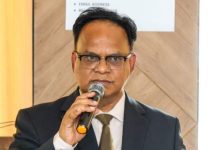
Speaking during the event, Kenya’s Investment Promotion PS Abubakar Abubakar emphasised that unlocking the region’s full potential will require deliberate structural reforms.
“Market size alone is insufficient. We must dismantle non-tariff barriers, harmonize standards, streamline customs processes and align regulatory frameworks. We must make regional integration a lived reality, enabling investors to operate across borders as easily as within one country,” he said.
He said the region must also move from exporting raw materials to producing value-added goods, from isolated production units to integrated regional value chains, and from low productivity sectors to high-quality job creation.
Comesa’s 21 member states have a combined GDP exceeding $1 trillion, making it one of the largest economic blocs in Africa in size and investment potential.
Its membership includes Burundi, Comoros, the Democratic Republic of Congo, Djibouti, Egypt, Eritrea, Eswatini, Ethiopia, Kenya, Libya, Madagascar, Malawi, Mauritius, Rwanda, Seychelles, Somalia, Sudan, Tunisia, Uganda, Zambia and Zimbabwe.
Comesa, established to promote regional economic integration, has evolved into a significant player in attracting foreign investments in Africa. The bloc’s member states have been working to improve their investment climates, leading to increased FDI inflows despite global economic challenges. The recent surge in investment reflects a growing confidence among investors in the region’s potential for growth and development.
Historically, Comesa has focused on enhancing trade and investment among its 21 member states, which collectively boast a GDP exceeding $1 trillion. The organization aims to create a more integrated market, facilitating easier cross-border trade and investment, which is key