What You Need to Know
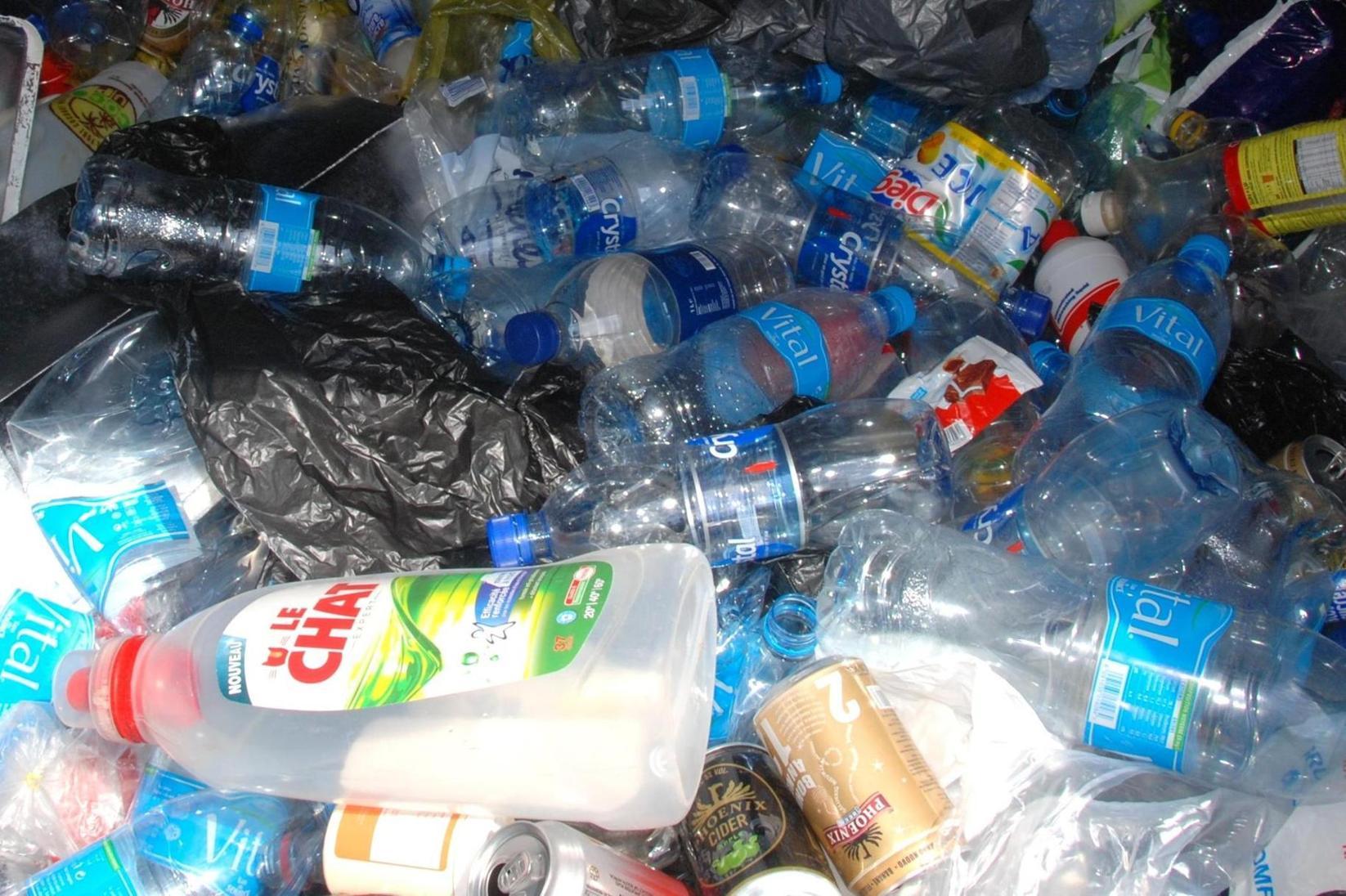
Mauritius has introduced a National Strategy Plan aimed at achieving a plastic pollution-free environment over the next decade. This comprehensive roadmap outlines measurable targets and actions across six thematic areas, focusing on reducing plastic waste and promoting sustainable practices. Key initiatives include a new governance act and enhanced recycling efforts.
Africa-Press – Mauritius. A National Strategy Plan (NSP)/Roadmap for a Plastic Pollution-Free Mauritius will chart a ten-year shift from a linear to a circular economy model, with the aim of propelling Mauritius towards a plastic pollution-free country.
The NSP sets out national priorities, measurable targets and concrete actions rooted in international best practices and adapted to the country’s socio-economic realities. The Plan encompasses policies and strategies as well as 60 short-, medium- and long-term activities revolving around 11 targets falling under six thematic areas, namely Knowledge, Refuse, Reduce, Reuse/Repurpose, Recycle and End-of-Life Management, and four Cross-Cutting Actions.
The NSP includes, too, a five-year costed Action Plan for implementation.
Among the main recommendations of the NSP are the development of a robust inventory database of plastic and plastic waste, as well as the introduction of a new Plastic Governance and Control Act to strengthen governance and enforcement mechanism. Recommendations also pertain to a phase-wise reduction of non-essential and problematic single use plastics; at least 80% phase-wise collection of plastic waste by 2035; a phase-wise reduction of plastic packaging consumption by 2035; and the adoption of a phased approach towards building plastic waste recycling capacity.
In addition, measures are proposed to reduce the importation of virgin plastic pellets; formalise producer accountability through Extended Producer Responsibility Schemes by 2035; and manage end-of-life non-recyclables and contaminated plastic wastes in an environmentally sound manner.
Recommendations further encourage research and development along with education and awareness campaigns to promote behavioural change across all segments of society to curb down plastic pollution.
Mauritius has faced significant challenges with plastic pollution, impacting its environment and marine life. In response, the government has recognized the need for a strategic approach to transition from a linear to a circular economy. This shift is essential for sustainable development and aligns with global efforts to combat plastic waste, reflecting a growing awareness of environmental issues in the region. The NSP aims to address these challenges through targeted actions and community engagement.