What You Need to Know
The Zone 2 Model United Nations Conference 2026 commenced at the Mahatma Gandhi Institute in Moka, Mauritius, gathering 228 student delegates from 57 secondary schools. The event aims to enhance students’ understanding of global issues and develop essential skills such as public speaking and critical thinking, with a focus on fostering future leaders.
Africa-Press – Mauritius. The spirit of diplomacy, dialogue and global awareness were highlighted this morning at the official opening of the Zone 2 Model United Nations (MUN) Conference 2026, held at the Mahatma Gandhi Institute in Moka.
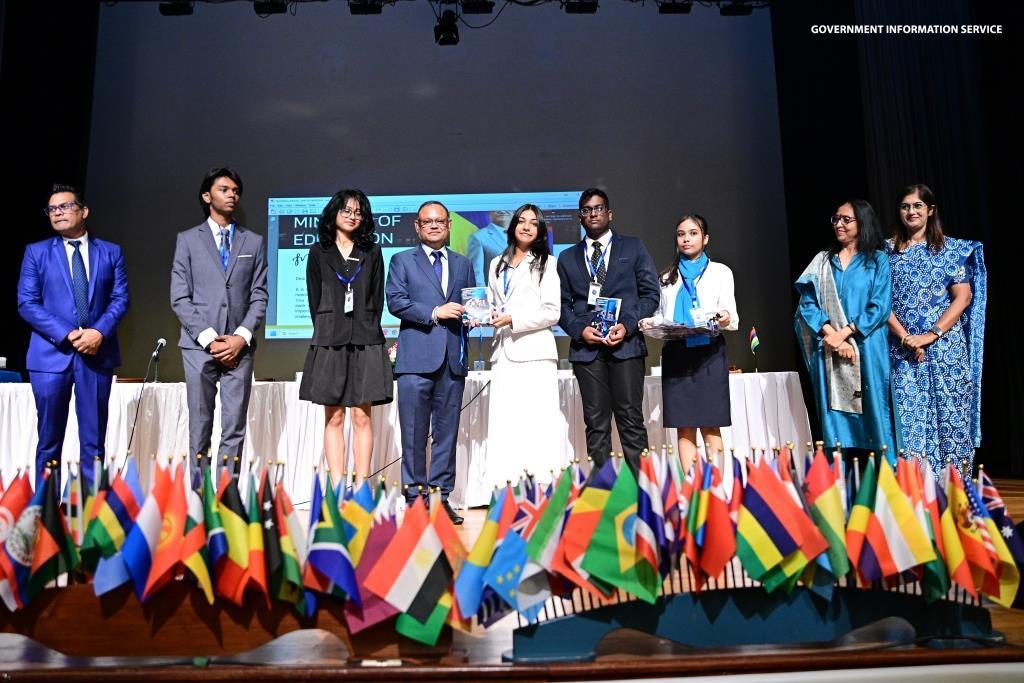
Organised by the Zone 2 Directorate of the Ministry of Education and Human Resource, the two-day conference is offering a dynamic platform to some 228 student delegates from 57 secondary schools across the region to take on the roles of global leaders and changemakers.
The opening ceremony was graced by the Minister of Education and Human Resource, Dr Mahend Gungapersad, alongside the International Operations Manager of the United Nations Development Programme (UNDP), Ms Sujitha Sekharan, and the Acting Director of Zone 2 at the Ministry of Education and Human Resource, Dr Chaya Surajbali-Bissoonauth.
In his address, Minister Gungapersad highlighted that the MUN serves as an important platform for students to understand their roles and responsibilities as future leaders, particularly in the context of ongoing global crises. He emphasised that current international challenges, including the conflict in the Middle East, are having tangible impacts on everyday life, the economy and the education sector, urging students to remain aware and responsive to such realities.
The Minister further noted that initiatives such as the MUN go beyond the attainment of certificates, contributing instead to the long-term development of students by nurturing skills in public speaking, leadership, research and critical thinking.
Moreover, Dr Gungapersad underscored the importance of developing key values such as discipline, gratitude, compassion and respect, alongside the ability to think critically and engage in constructive dialogue. He encouraged students to explore global issues in depth, appreciate diverse perspectives, and work towards meaningful solutions, while also applying these principles within their own communities.
Ms Sekharan for her part, emphasised the significance of the MUN in fostering diplomacy, empathy and critical thinking, highlighting the role of youth in driving sustainable development and addressing global challenges.
Dr Surajbali-Bissoonauth encouraged students to approach discussions with open minds and respect diverse perspectives. She likewise acknowledged the dedication of teachers, coordinators, and technical teams in ensuring that the conference is a meaningful and enriching experience for all participants.
The MUN
The Model United Nations is an educational simulation in which secondary school students take on the roles of diplomats, debating real-world global issues and working collaboratively to find solutions through diplomacy.
Over the next two days, delegates will immerse themselves in simulated international negotiations, debating pressing global challenges, drafting resolutions, and building consensus in a manner that closely reflects the work of the United Nations.
This experience offers students a unique opportunity to translate theoretical knowledge into practical skills, equipping them to engage confidently with global issues in the future.
The Model United Nations (MUN) has become a significant educational tool worldwide, allowing students to engage in diplomacy and global issues. Originating in the mid-20th century, MUN conferences simulate UN proceedings, encouraging youth to debate and draft resolutions on pressing international challenges. This initiative not only enhances students’ understanding of global governance but also cultivates essential skills for future leadership roles. In Mauritius, the MUN serves as a platform for students to develop critical thinking, empathy, and a sense of responsibility towards global citizenship.