What You Need to Know
Minister of Health Anil Kumar Bachoo has called for urgent action against Chikungunya and Leptospirosis, emphasizing public awareness and coordination among ministries. With 105 active Chikungunya cases and 12 Leptospirosis cases reported since January 2026, he stressed the need for intensified control measures and community involvement to safeguard public health in Mauritius.
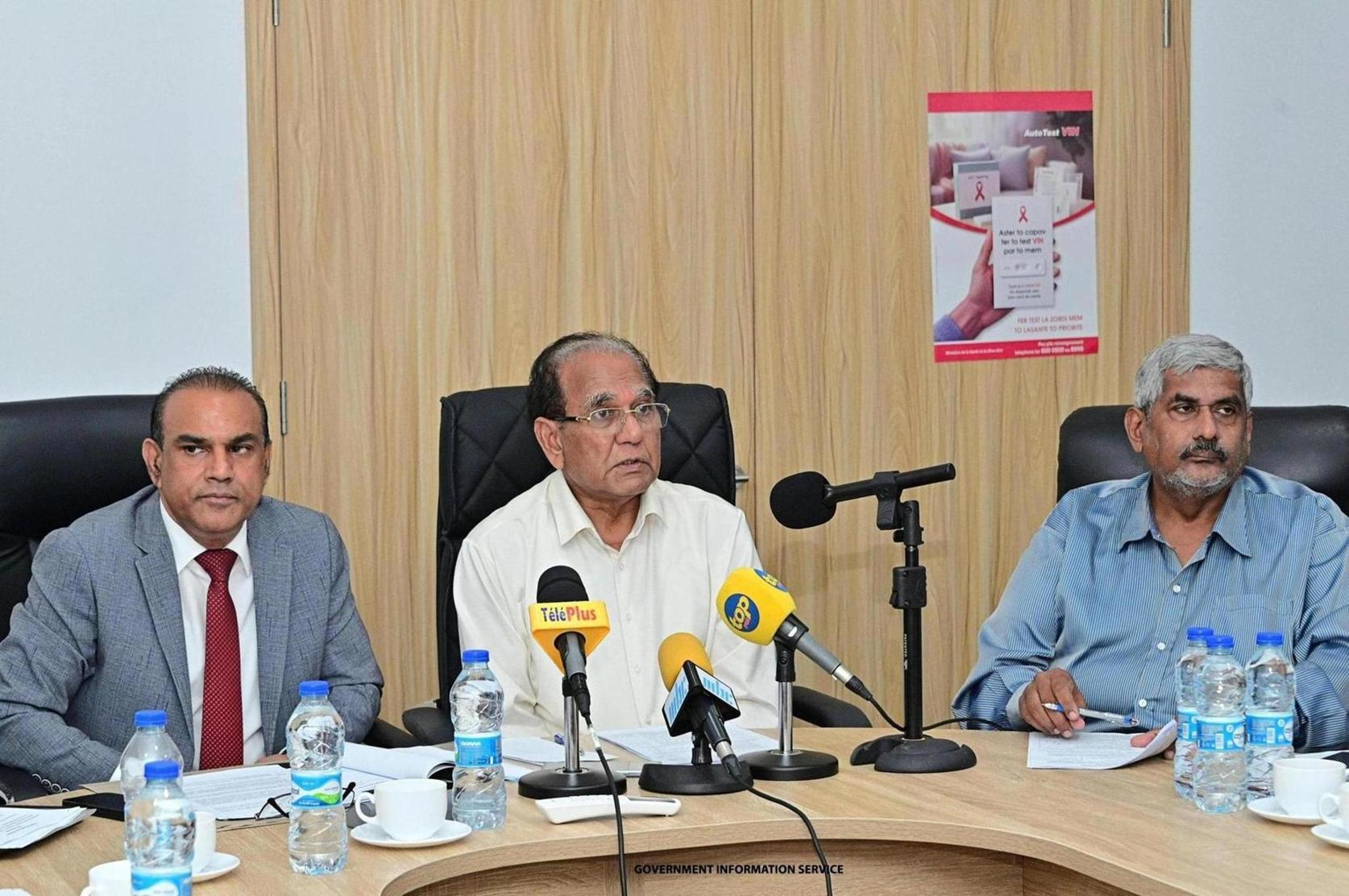
Africa-Press – Mauritius. The Minister of Health and Wellness, Mr Anil Kumar Bachoo, called for urgent and reinforced action against Chikungunya and Leptospirosis highlighting the importance of raising awareness among the population. He was speaking at an Inter-Ministerial Meeting held in presence of the Minister of Local Government, Mr Ranjiv Woochit and the Junior Minister for Health and Wellness, Mrs Anishta Babooram, today in Ebène.
The meeting regrouped several representatives from relevant Ministries, local authorities, public health officials, and private sector stakeholders, with a view to strengthening coordination and ensuring the prompt implementation of necessary actions to contain the spread of these diseases.
Minister Bachoo indicated that Mauritius has since January 2026 recorded, twelve cases of Leptospirosis, including three deaths. One death was directly attributed to the disease, while the other two were linked to existing health complications. He informed that a new case of Leptospirosis was identified and has already been addressed. The overall situation concerning Leptospirosis is under control, he said.
With regard to Chikungunya, he highlighted a significant increase in cases in recent days, with 105 active cases reported, particularly in the regions of Rose-Hill, Quatre-Bornes, and Roches Brunes. He stated that control measures are being actively implemented, including larviciding, mist blowing, and the sterile insect technique. However, he underscored that the situation remains a cause for concern and requires intensified efforts and expanded sensitisation campaigns to reach the wider population.
Minister Bachoo further announced that the number of sterile insects released into the environment will be increased to 200,000 in order to maximise the effectiveness of vector control strategies. Additional measures include larviciding operations in schools and awareness campaigns through pamphlets and mass media. He also reiterated the importance of sustained collaboration between public and private sector stakeholders to ensure the effective implementation of prevention strategies and to safeguard public health across the country.
As for Minister Woochit, he urged citizens to demonstrate a strong sense of civic responsibility by ensuring that their surroundings are kept clean and free from conditions conducive to the breeding of disease vectors. He stressed that the Ministry of Local Government along with other Ministries and authorities are putting in a lot of efforts for the cleaning and maintenance of bare and abandoned lands across the island. Additional workers were also recruited to strengthen field operations and support in vector control and sanitation efforts, he said.
He noted that from 20 February 2026 to date, more than 1,000 contraventions have been issued to owners of bare lands which are not compliant with sanitary regulations. These enforcement actions will continue to be intensified to ensure that all landowners fulfil their responsibilities in maintaining clean and sanitary environments, added the Minister.
Chikungunya and Leptospirosis are significant public health concerns in Mauritius, particularly during the rainy season when conditions favor the breeding of disease vectors. The government has been proactive in addressing these issues through various health campaigns and vector control strategies. The recent increase in cases has prompted a renewed focus on community engagement and sanitation efforts to mitigate the spread of these diseases and protect public health effectively. Historical data indicates that both diseases have posed challenges in the region, necessitating ongoing vigilance and responsive health measures.