Africa-Press – Mozambique. A total of 2,740 people remain detained following post-election protests in Mozambique, the electoral platform Decide told Lusa today, noting that 22 detainees from the group will benefit from a presidential pardon.
“We have on our records around 2,740 people and, in this pardon process, [according to] the records we have made so far, 22 people will be able to benefit,” said Wilker Dias, executive director of the Decide Electoral Platform, which has been monitoring the pardon process at several prisons across the country since Monday.
President Daniel Chapo granted pardons to a total of 751 detainees, of whom 578 were pardoned on Family Day and also as part of implementing the political commitment for an Inclusive National Dialogue — “an instrument that promotes reconciliation, lasting peace and the strengthening of national unity.”
According to Wilker Dias, less than half of those pardoned are from the group detained during the protests, considering, therefore, that the process is “more for show than genuinely to bring freedom to the people.”
“We have received reports that some people are being extorted (…) to be released now; otherwise, they will only be released in January,” Dias added, noting that, among the group of more than 2,700 detainees, some do not have legal detention orders and others have not yet been tried.
The leader of the Decide platform pointed out difficulties in obtaining the release of more people, including the identification of detainees and travel costs.
“In the cities, lawyers can easily reach people. We ourselves, from civil society, can also move around easily, but not in the districts. And that is where many people need our assistance, but unfortunately the costs weigh heavily,” lamented Wilker Dias.
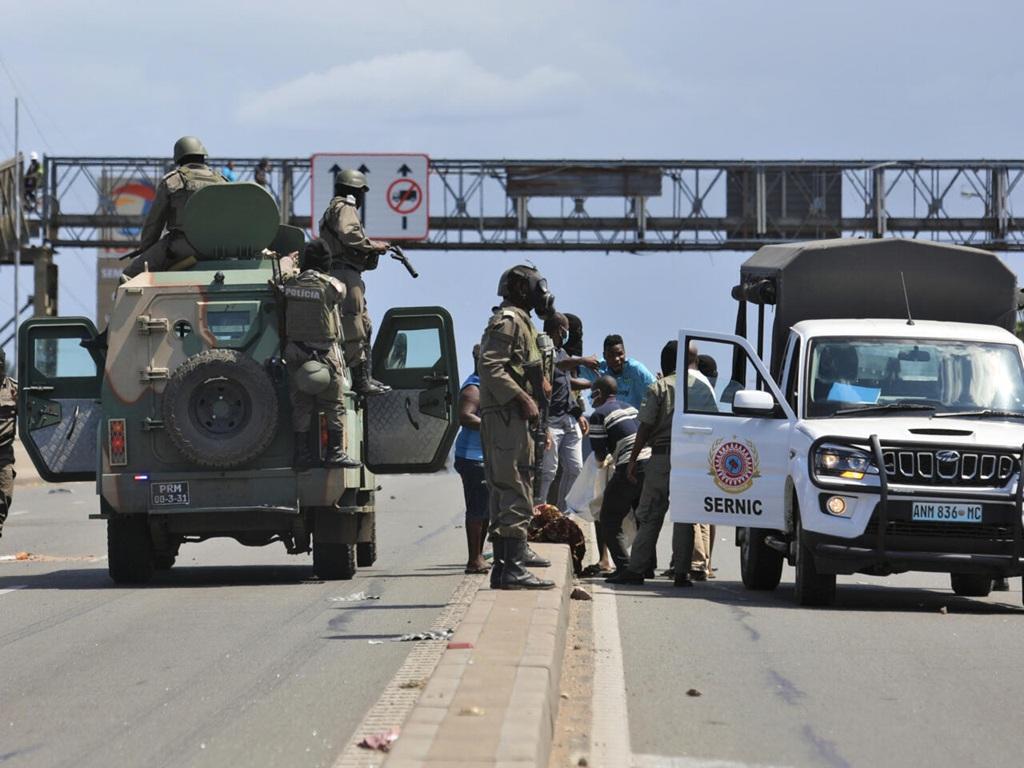
Mozambique experienced its worst electoral crisis, with protests called by former presidential candidate Venâncio Mondlane, who rejects the results of the October 2024 elections that saw Daniel Chapo elected as Mozambique’s fifth president.
A total of 7,200 people were detained during the protests, which caused 411 deaths, according to data from the Decide platform released in October.
According to Decide’s survey, 17 deaths were members of the Defence and Security Forces, representing 4.2% of the total 411 people killed during the post-election protests, while the 20 children who died account for 5% of the total fatalities.
Violence in Mozambique ceased after a first meeting in March between President Daniel Chapo and Venâncio Mondlane, who has never recognised the election results. A peace process is underway that foresees the government’s commitment to carry out various reforms, including changes to the Constitution and electoral laws.
Chapo promulgated in April the law related to the Political Commitment for an Inclusive National Dialogue, approved days earlier by Parliament, based on an agreement with political parties signed on 5 March to overcome the violence and social unrest that followed the general elections of 9 October.