What You Need to Know
The Mozambique Grain Institute (ICM) and Export Marketing Mozambique (ETG) have renewed their partnership to align strategic priorities in agricultural marketing. Key discussions included the new rice import mechanism and the export of Bôer beans, aiming to stabilize the national market and support local producers. This collaboration is crucial for the success of the new centralized import model.
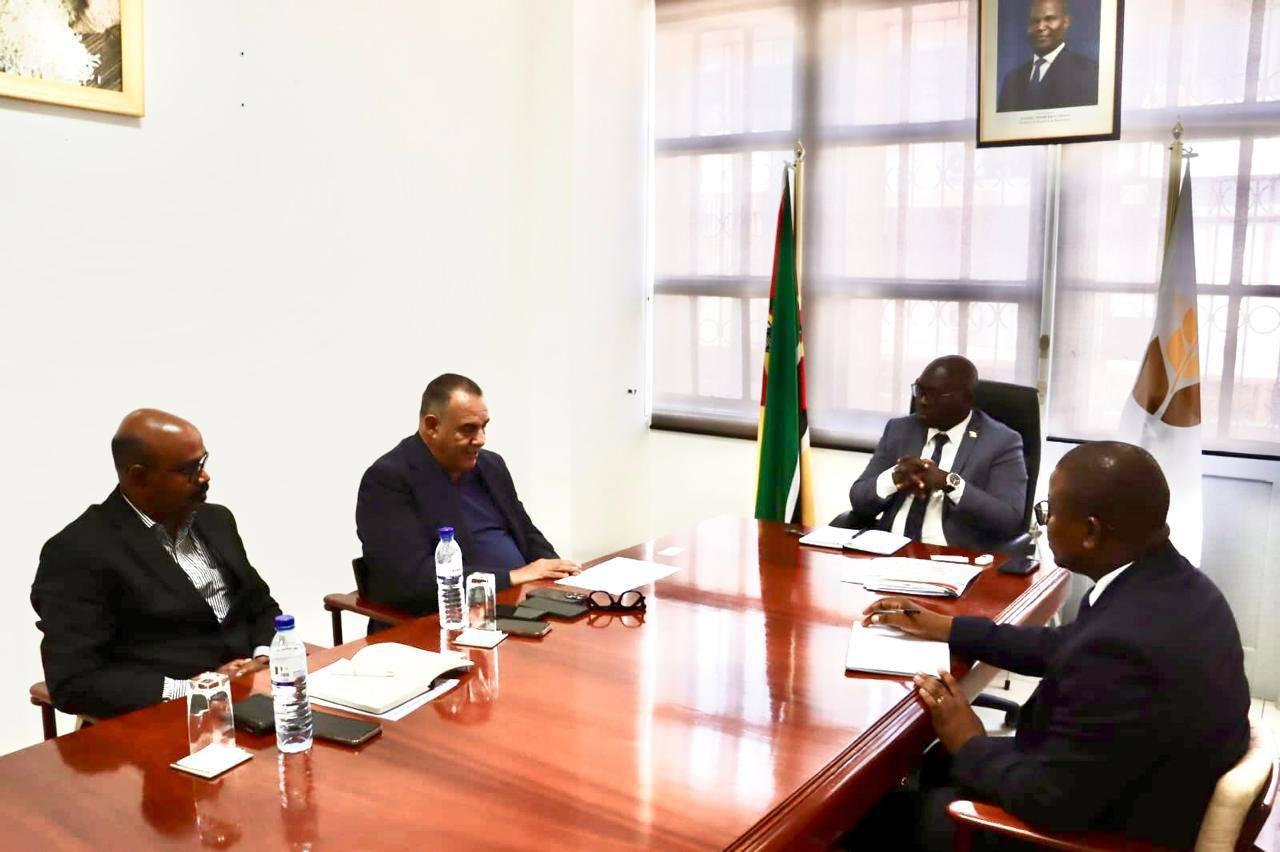
Africa-Press – Mozambique. The Director-General of the Mozambique Grain Institute, ICM, Luís Job Fazenda, received yesterday morning, in a meeting at his office, the Director-General of Export Marketing Mozambique (ETG), Guilherme Machado.
The main purpose of the meeting was to renew the cooperation between both institutions and to align strategic priorities in light of recent reforms in the agricultural marketing sector.
During the discussion, the parties addressed key topics for the stability of the national market, with particular emphasis on the implementation of the new rice import mechanism. According to Ministerial Diploma No. 132/2025, the Mozambique Grain Institute, ICM, assumed exclusive coordination of this process from 1 February 2026, aiming to ensure fairer prices for the end consumer.
In addition to cereal imports, the meeting also covered topics such as the export of Bôer beans, where the Mozambique Grain Institute, ICM, reaffirmed its role as the competent authority in operationalising the memorandum with India, ensuring that the export process continues efficiently to benefit local producers.
The leasing of Mozambique Grain Institute, ICM, warehouses, a vital infrastructure to reduce post-harvest losses and strengthen ETG’s distribution network in the country, was also discussed.
This meeting marks a new chapter in inter-institutional relations. Both leaders committed to working with greater transparency and openness, establishing a permanent dialogue channel to overcome logistical and operational challenges.
For the Mozambique Grain Institute, ICM, the partnership with major operators such as ETG is fundamental to the success of the new centralised import model, ensuring that the national market remains adequately supplied while promoting domestic agricultural production.
The Mozambique Grain Institute plays a vital role in the country’s agricultural sector, focusing on improving market stability and supporting local producers. Established to enhance grain production and distribution, the ICM has been pivotal in implementing reforms aimed at modernizing agricultural marketing. The partnership with ETG reflects a broader trend of collaboration between public institutions and private enterprises to boost the agricultural economy and ensure food security in Mozambique.