Africa-Press – Mozambique. The prominent anti-corruption NGO, the Centre for Public Integrity (CIP), demands an explanation from the Defence Minister, Cristóvão Chume, regarding the reasons that led to the end of the suspension of mining activity in the central Mozambican province of Manica, which had been imposed last September.
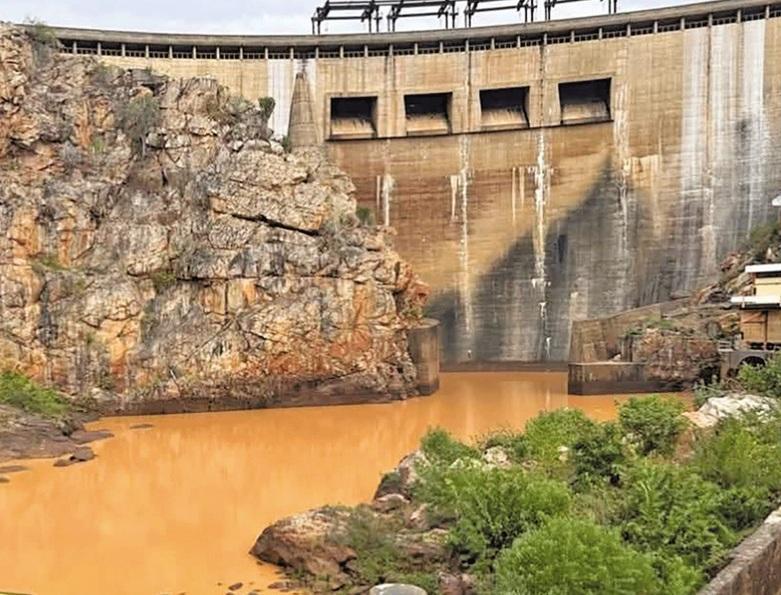
The suspension measure had been decreed after the the country’s General Inspectorate of Mineral Resources and Energy (IGREME) concluded that mining activity in that province was affecting important sources of drinking water such as the Revue river and the Chicamba reservoir, causing serious public health problems.
The main problem is the use of mercury in washing gold. Mercury is highly toxic, but mining operations have made little effort to reduce their use of it. Analysis of the waters of the Manica rivers and of the Chicamba reservoir has revealed the presence not only of mercury, but also of other heavy metals, including lead, cadmium and arsenic.
The Operational Command, coordinated by the Defence Minister, found that several licensed companies were operating without environmental restoration plans or waste containment systems, and they were also abandoning mining equipment after use and violating labour laws and workers’ rights.
According a letter dated February 12th, addressed to Defence Minister, CIP demands the results of the studies, reports, and other evidence that led the government to authorize six mining companies to resume operations.
“The CIP requests information from the Minister of National Defence regarding the activities carried out by the interministerial commission for the environmental recovery of ecosystems destroyed by mining in Manica, as well as the 2026 action plan for environmental recovery and monitoring in gold mining areas at the national level”, reads the document.
According to the organization, the government must reveal the number and the type of legal infractions committed in gold mining in Manica province, “the government must also reveal the number of cases submitted to courts so that environment offenders may be held accountable for their crimes. We call for disclosure of studies, reports, and evidence behind the authorization to resume mining activities.”
“CIP requests the data regarding the number of administrative proceedings initiated to sanction mining license holders for environmental damage and for commencing operations without an environmental operating license. We request a breakdown of the data by type of sanction and companies involved”, reads the letter.
CIP also wants to know the degree of cooperation from the entities involved, “including companies and associations involved in illegal mining, for the remediation of the environmental damage caused.”
It means that the government must disclose the measures it took “to review the licensing regime, strengthening oversight, defining authorized zones, and creating effective accountability mechanisms.”