Africa-Press – Mozambique. UNICEF supports improvements in water, sanitation and hygiene in health care facilities in Zambezia province, thanks to generous funding from the World Bank, helping to ensure cleaner and safer births for mothers and newborns.
At the Namanjavira Health Centre in Mocuba district, Zambezia province, caring for mothers and newborns has always been a priority. Yet for years, the absence of safe water and adequate sanitation made that care more difficult and far more dangerous.
“Before, every birth was also a risk,” explains Paula Linda Domingos, physician and clinical director of the health centre. “We needed water to clean the beds, wash the equipment, and ensure hygiene, but often there simply was none.”
Felismina, a mother of three, gave birth to two of her children before the improvements were made. She remembers waiting after delivery while someone went to fetch water. “Sometimes we bathed outside,” she says. “I was afraid of getting an infection.”
Without running water, toilets were barely usable, and privacy was limited. “We did not have a proper bathroom. It was only outside,” Felismina recalls. “There was a risk in everything.”
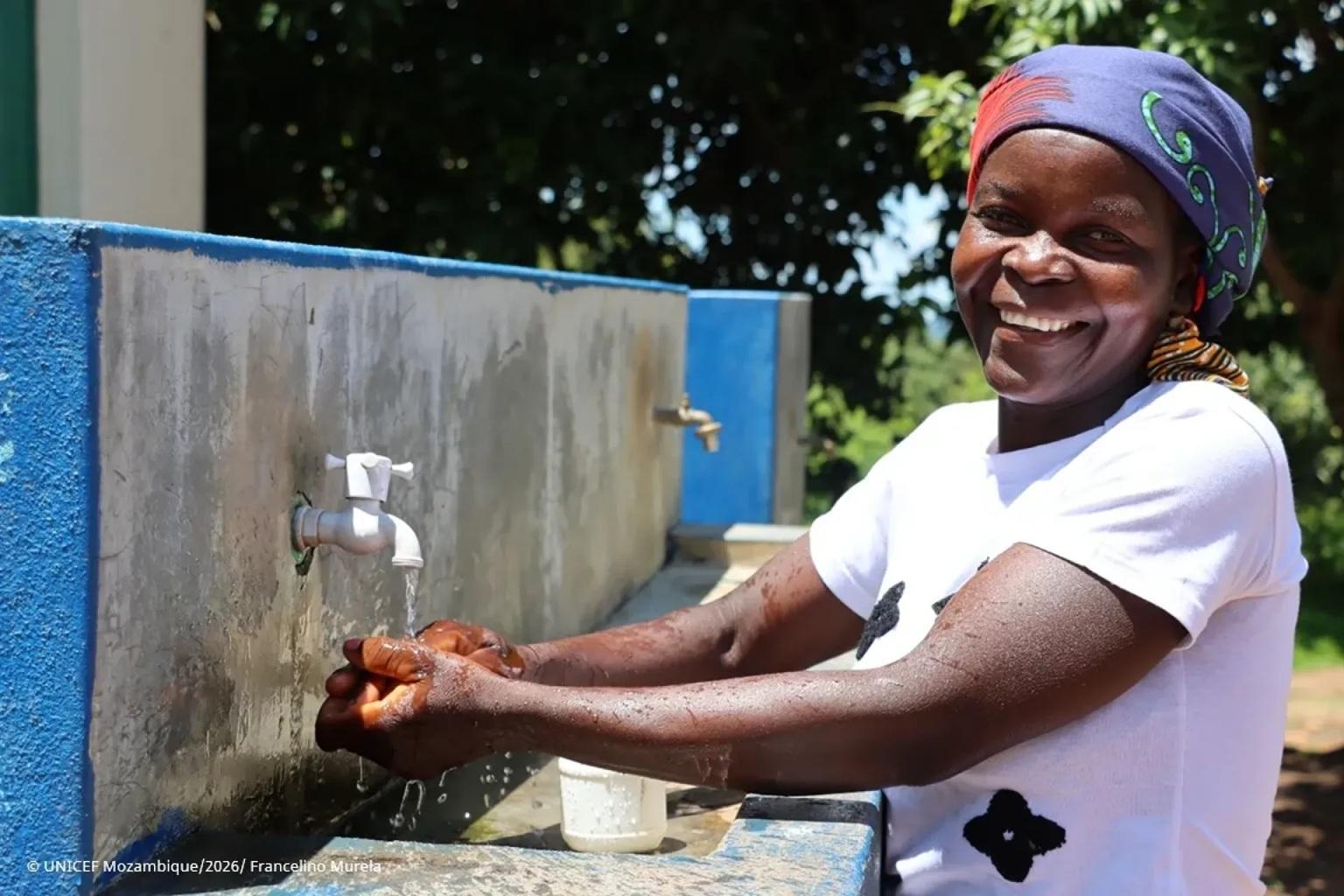
Acoitre Sapala, also a mother of three, remembers bringing water from home for her appointments. “If the water ran out, there was no way to wash your hands or even give the child water,” she says. Today, she smiles. “Now you just turn on the tap.”
From risk to routine
With water now available inside the health facility, essential hygiene practices have become routine. Handwashing is constant before and after births, before touching a newborn, and before administering vaccines. For the health team, this shift is fundamental.
“To sterilize, you first have to wash properly,” says Paula. “Without thorough washing, the risk of cross-infection was much higher.”
Through the WinHCF initiative (Water, Sanitation and Hygiene in Health Facilities), UNICEF has supported improvements in water, sanitation, and hygiene at the Namanjavira Health Centre in Zambezia province, helping to ensure cleaner, safer births and stronger infection prevention for mothers and newborns.
In the maternity ward, the changes are visible. Mothers can bathe before and after childbirth, maintain their hygiene, and recover in dignity. “Now we can go to the bathroom, take a shower, and stay clean,” says Felismina.
The transformation has also eased the burden on staff. Floide Mário, an agent on duty, recalls waking at four in the morning to fetch water from far away. “Even then, it was not enough to clean everything,” he says.
Without adequate facilities, medical waste management was limited, increasing exposure to health risks. With the installation of an incinerator and reliable access to water, the work environment is safer and more organised. “Now we work with more security and pride,” Floide adds.
Safer births, stronger trust
For Paula, the impact goes beyond infrastructure. “Today we can wash equipment properly, keep all sectors clean, and better support mothers,” she says. “This reduces infections and improves the quality of care.”
The community feels the difference as well. Mothers now seek services with greater confidence and no longer need to carry water from home. “Today the centre is safer for our children and us,” says Acoitre.
In Namanjavira, water is more than a basic service. It is the foundation of safe childbirth and quality care. As Paula reflects, “With water, we can do our job properly. And when we do our job well, we save lives.”
UNICEF supports improvements in water, sanitation, and hygiene in health care facilities in Zambezia province, thanks to generous funding from the World Bank, helping to ensure cleaner and safer births for mothers and newborns.
Source: UNICEF Mozambique / Media Release