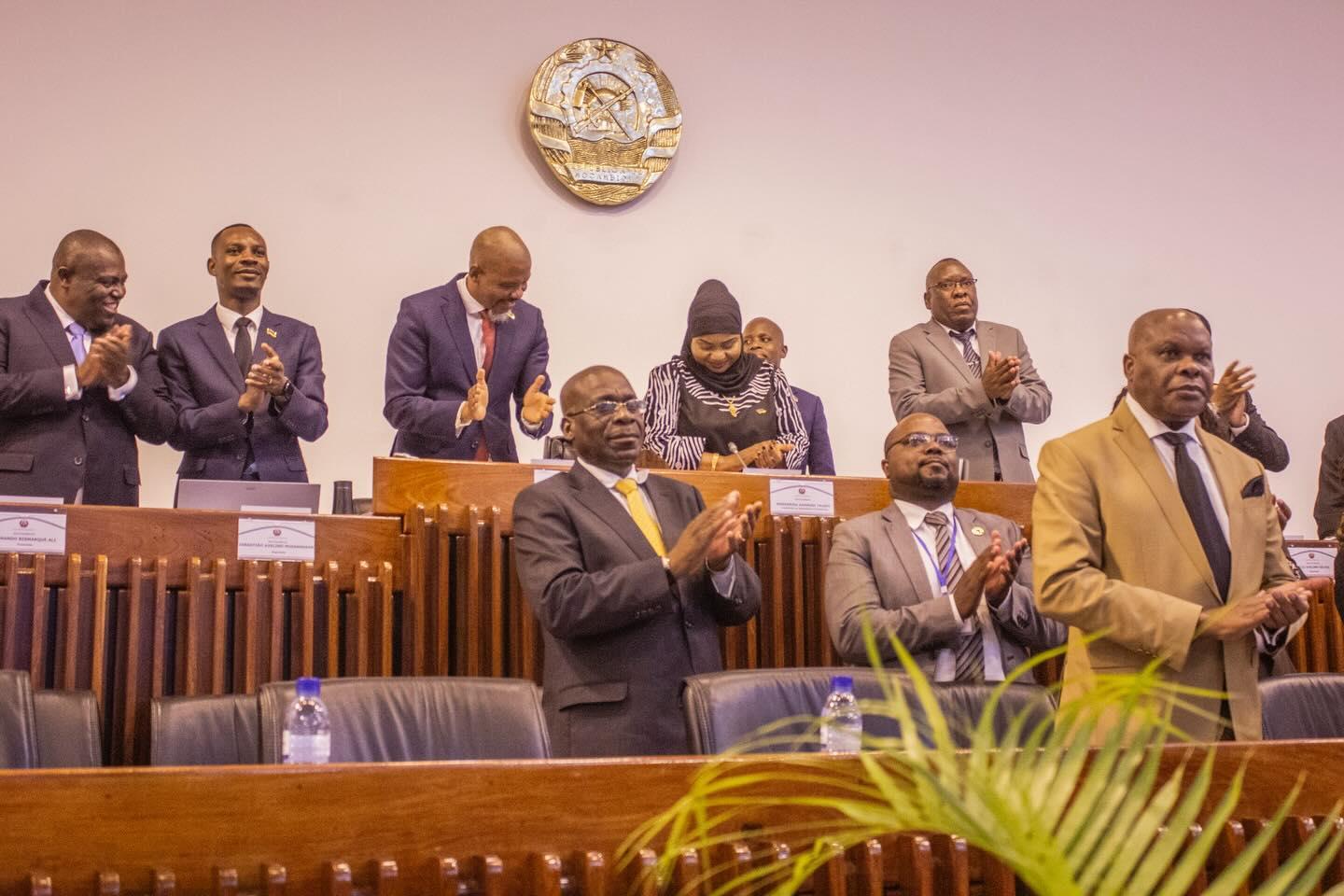
Africa-Press – Mozambique. Mozambique’s parliament on Wednesday unanimously approved the media, broadcasting, and Higher Mass Media Council (CSCS) draft bills in the first reading, after 20 years of debate on the sector.
The three bills were approved by the Mozambique Liberation Front (Frelimo, the ruling party with a parliamentary majority), the Optimist People for the Development of Mozambique (Podemos, opposition), the Mozambican National Resistance (Renamo), and the Democratic Movement of Mozambique (MDM).
On the grounds for the decision, Elcina Eugénio, chair of the Parliamentary Commission for Social Affairs, Gender, Technology and Media, said the previous 1991 media law was “unsuited” to the current context, marked by the use of new media, pointing to the need for modern and appropriate regulation.
“One of the main impacts of the media law is the valuation and professionalisation of media makers, ensuring the reinforcement of the protection of their labour rights. The law aims to promote press balance and the protection of human dignity, promoting mechanisms that allow restricting access to content likely to affect the physical, mental or moral development of children and adolescents,” she said.
Regarding the broadcasting bill, Elcina Eugénio indicated that previous legal provisions had “normative gaps” and did not adequately cover the public sector.
“The digital revolution, the emergence of new media as well as the growing influence of information bodies on the formation of public opinion and the functioning of the democratic state reinforces the urgency of a legal framework that clearly disciplines the conditions of access, operation and exercise of broadcasting in the country,” she said.
Elcina Eugénio said that, under the newly approved bill, the CSCS will supervise all entities carrying out media activities in Mozambique, arguing it ensures discipline, freedom, and objectivity in journalism.
Despite approving the legislative package, Podemos warned that the regulator must not “restrict and control” media activities.
“The media is not an extension of political power, it is a democratic counter-power. The journalist is not a simple transmitter of information, he is a guardian of truth, a monitor of governance and an active agent of citizenship,” said Sebastião Mussanhane, chair of the Podemos bench, calling for the effective protection of journalists to guarantee the freedom of professional exercise.
For Renamo, this package will regulate the media with clear principles of accessibility, impartiality, and transparency.
“Newsrooms and content heads must strive for professional ethics in journalism,” Renamo’s Arnaldo Chalaua said, asking the media not to provide “superfluous information”.
MDM said it is necessary to continue respecting press freedom, which is essential for democracy.
“We understand that the introduction of the mandatory 80% quota for national content for broadcasting, especially in calling for its fundamental role in education, in the promotion of national identity and cultural values, in an increasingly globalised world, is fundamental,” said Fernando Bismarque, head of the MDM bench.
For Frelimo, this legislative package represents a “strategic step” in deepening freedom of expression, information pluralism, and balanced regulation.
“For the press to fully fulfil its role, structural reforms are needed to ensure greater financial and editorial independence, effective protection of journalists and the promotion of a culture of tolerance for contradictory views,” said Feliz Silva, leader of the Frelimo bench.