What You Need to Know
Protests in Mozambique’s Nampula province were sparked by disinformation regarding the distribution of capulanas, traditional cloth promised for Women’s Day. The Secretary of State confirmed that the situation is calm and emphasized that the distribution process will continue beyond the holiday. Reports of injuries during police intervention remain unverified.
Africa-Press – Mozambique. The Secretary of State in Mozambique’s Nampula province said yesterday that the demonstrations recorded on Saturday were the result of disinformation regarding the distribution of capulanas (traditional cloth), and did not confirm any reports of injuries.
“We received information about demonstrations in Anchilo and later in Napipine linked to a distribution of capulanas, but according to the information we obtained from authorities, this was due to disinformation,” said Plácido Pereira in comments to journalists.
The official spoke on the sidelines of Easter religious celebrations, reacting to protests led by women demanding the capulanas promised as part of the celebrations for Mozambican Women’s Day, observed on 7 April.
According to Plácido Pereira, some people expected to receive the announced capulanas immediately, which did not occur because it is a gradual distribution process.
“People were expecting to receive these promised capulanas, but there was disinformation. It is a process that is ongoing, the distribution of these capulanas, and probably these people expected to receive them yesterday, which did not happen,” the official added.
The Secretary of State assured that the situation in the province remains calm, emphasising that the distribution of the traditional cloth will continue beyond the 7 April celebrations.
“The province is calm in this regard because, based on the information we have about the capulanas, this is a process that will continue and does not end on 7 April. It is a process that will proceed afterwards,” he said.
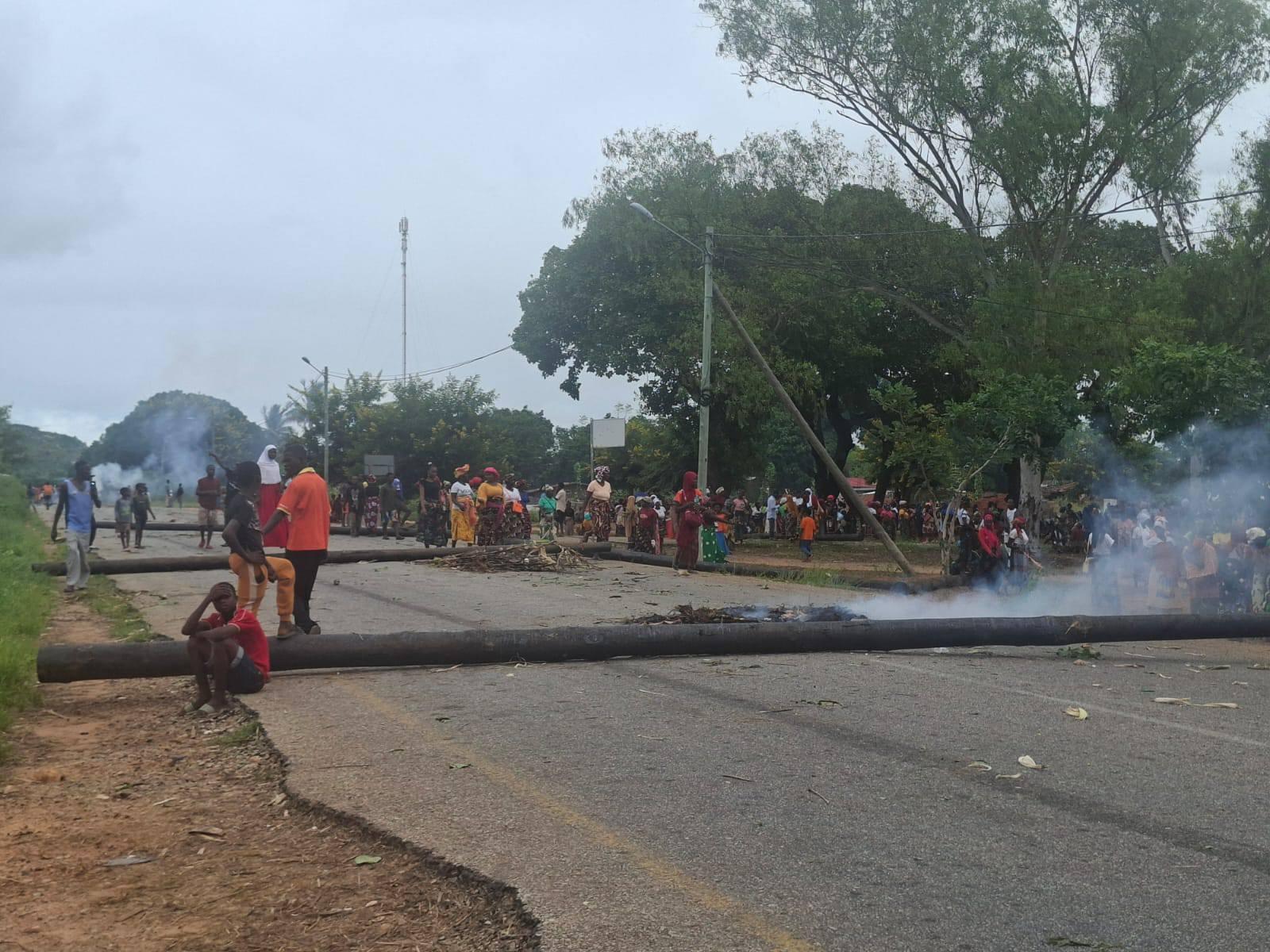
The protests followed groups of women blocking sections of National Road 1 (N1) in the Anchilo area, demanding delivery of the capulanas promised by Mozambique’s First Lady, Gueta Chapo, in early February as part of the Women’s Day celebrations.
The non-governmental organisation Plataforma Decide reported today that during the police intervention to disperse protesters, a woman was shot and a 13-year-old boy was run over, which provincial authorities have not confirmed.
The same organisation called for an independent investigation into police conduct, noting that the use of potentially lethal force during civil protests raises concerns over proportionality and respect for human rights.
7 April is a national holiday in Mozambique, marking the death in 1971 of Josina Machel, a historical figure associated with the mobilisation of women in the national liberation struggle.
The capulana is a significant cultural symbol in Mozambique, often associated with women’s rights and empowerment. The protests on April 7, coinciding with Women’s Day, highlight ongoing social issues and the expectations of women in the country. The historical context of women’s mobilization in Mozambique dates back to the liberation struggle, where figures like Josina Machel played a crucial role in advocating for women’s rights and equality. This day serves as a reminder of the progress made and the challenges that remain.