What You Need to Know
The Wildlife Economy Conference in Maputo, Mozambique, aims to rethink conservation’s role in local development. Minister Roberto Mito Albino emphasized the importance of understanding sector challenges, engaging youth, and reassessing management models for conservation areas to promote sustainable growth and community benefits.
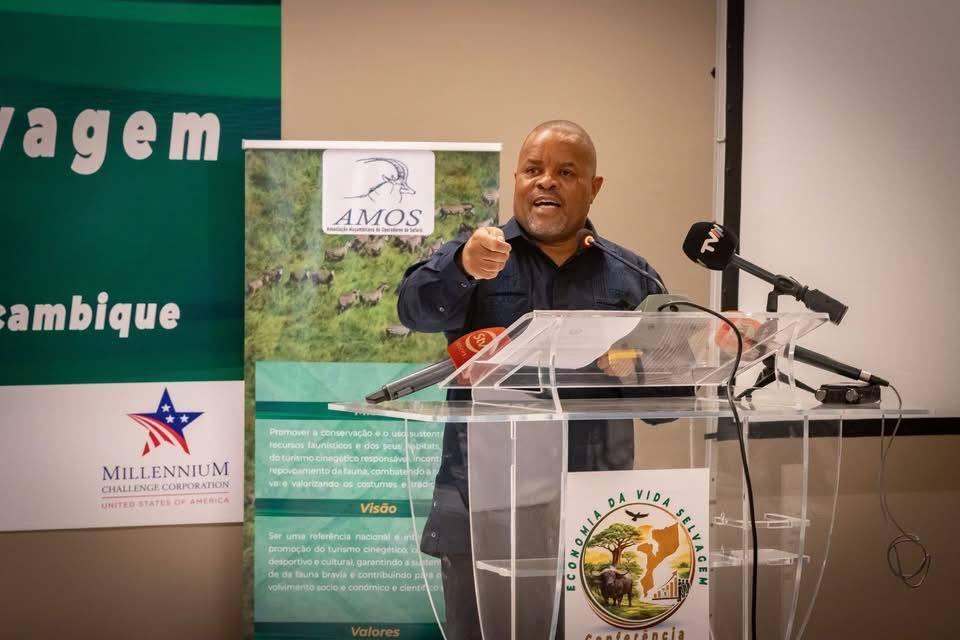
Africa-Press – Mozambique. The Wildlife Economy Conference opened yesterday in Maputo, described as a decisive moment to rethink the role of conservation areas in the country’s development. The opening session was led by the Minister of Agriculture, Environment and Fisheries, Roberto Mito Albino, who advocated an approach grounded in listening, learning and critical reflection before decisions are made.
In a speech marked by a clear and striking analogy, the minister compared the government’s stance to that of a responsible doctor. He warned that, just as a doctor should not prescribe without first listening to the patient, the government should not proceed with solutions without fully understanding the sector’s challenges. He committed to fully participating in the conference’s work in order to hear various stakeholders and gather input before issuing concrete guidance.
In a direct tone, he presented three key challenges for reflection during the conference. The first focused on the sector’s impact on local development, questioning why many safari areas are still perceived as remote, without delivering visible benefits to surrounding communities. He argued that if the impact were meaningful, these regions should show clear signs of growth and progress.
The second challenge addressed the need for greater involvement of Mozambican youth. The minister highlighted the sector’s low youth participation and stressed the urgency of making wildlife-related activities more attractive, professional and capable of retaining national young talent.
Finally, Minister Albino emphasised the need to reassess the current management model of conservation areas. Many of these areas were established in the 1960s and 1970s under a very different context, he noted, advocating for their requalification and resizing. The goal, he said, is to ensure more effective management, promote local development and reduce conflicts between communities and wildlife.
The two-day conference brings together government representatives, development partners and sector specialists, positioning itself as a strategic platform to align visions and promote a more inclusive, sustainable wildlife economy with tangible results on the ground.
Mozambique’s wildlife economy has historically faced challenges, including limited local benefits from conservation areas established during colonial times. The need for a more inclusive approach has become evident, especially as communities seek to benefit from their natural resources. The Wildlife Economy Conference aims to address these issues by fostering dialogue among stakeholders and promoting sustainable practices that align with local development goals. This initiative reflects a broader trend in conservation, where the focus is shifting towards integrating community needs and environmental stewardship.