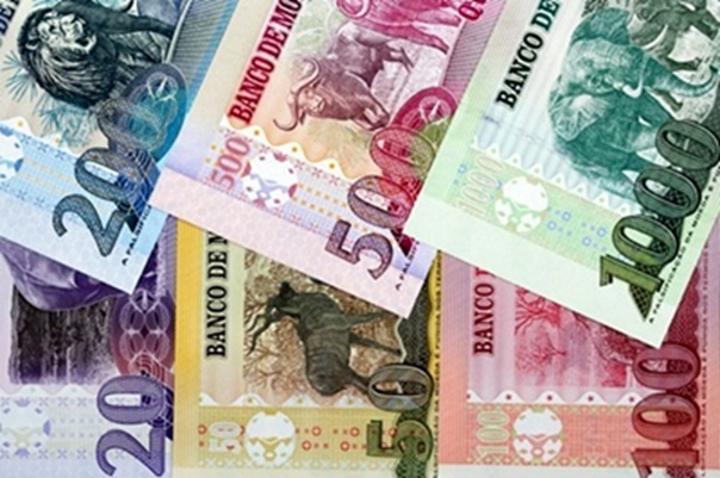
Africa-Press – Mozambique. Mozambican savings through term deposits fell by nearly 1.5% in February, to 300,711 million meticais (4,017 million euros), after reaching record levels in January, according to official data released by the Bank of Mozambique.
According to statistical data from the Mozambican central bank, these term deposits in the Mozambican banking system had reached a total of 264,709 million meticais (3,536 million euros) in June 2024, growing steadily month by month until the record level of 305,871 million meticais (4,085 million euros) recorded in July last year.
In January, these deposits approached previous highs, reaching 304,675 million meticais (4,070 million euros), the report further indicates.
Demand deposits, meanwhile, continue to grow, rising by 0.5% in a month to 484,435 million meticais (6,349 million euros) in February, according to the same data.
Fifteen commercial banks and 12 microbanks operate in Mozambique, alongside credit unions and savings and credit organisations, among others.
Meanwhile, the reference interest rate in Mozambique, which also influences savings, fell by 10 basis points in April to 15.50%, the third cut this year, the Mozambican Banking Association (AMB) previously announced.
Since January 2024, the rate, known as the ‘prime rate’, has been gradually declining after six consecutive months at a peak of 24.1%. This year, in January, the AMB also cut the rate by 10 basis points to 15.70%, and in February it kept it unchanged despite the cut in the policy rate decided by the central bank.
This was followed by similar cuts of 10 basis points in March and again in April.
Movements in the ‘prime rate’ are linked to the monetary policy interest rate (MIMO rate, which influences the calculation formula of the ‘prime rate’) set by the central bank to control inflation.
The Bank of Mozambique kept the MIMO monetary policy rate at 9.25%, after 12 consecutive cuts since January 2024, citing the “substantial worsening” of risks and revising inflation prospects upwards.
“This decision results from the materialisation and substantial worsening of certain risks and uncertainties associated with inflation projections, particularly the inclusion of the Middle East conflict and its impact on logistics chains, as well as on the supply and prices of energy and food products, which led to an upward revision of inflation prospects,” the central bank governor, Rogério Zandamela, announced on 23 March.
The position was taken at the end of the Monetary Policy Committee (CPMO) meeting, held every two months, according to the Bank of Mozambique governor, who highlighted the consequences for Mozambique of the Middle East conflict, as well as floods in the country during the current rainy season.