Africa-Press – Mozambique. Editors from across Africa are demanding a fair share of AI value chains and equitable returns from the global technology infrastructure powering the digital economy.
The editors say equitable revenue will help ease the mounting pressure threatening the future of journalism.
“The current fluid global challenges are not only hitting the continent of Africa in one sector. Even the media is facing its own mounting stresses,” said President of The African Editors Forum Churchill Otieno.
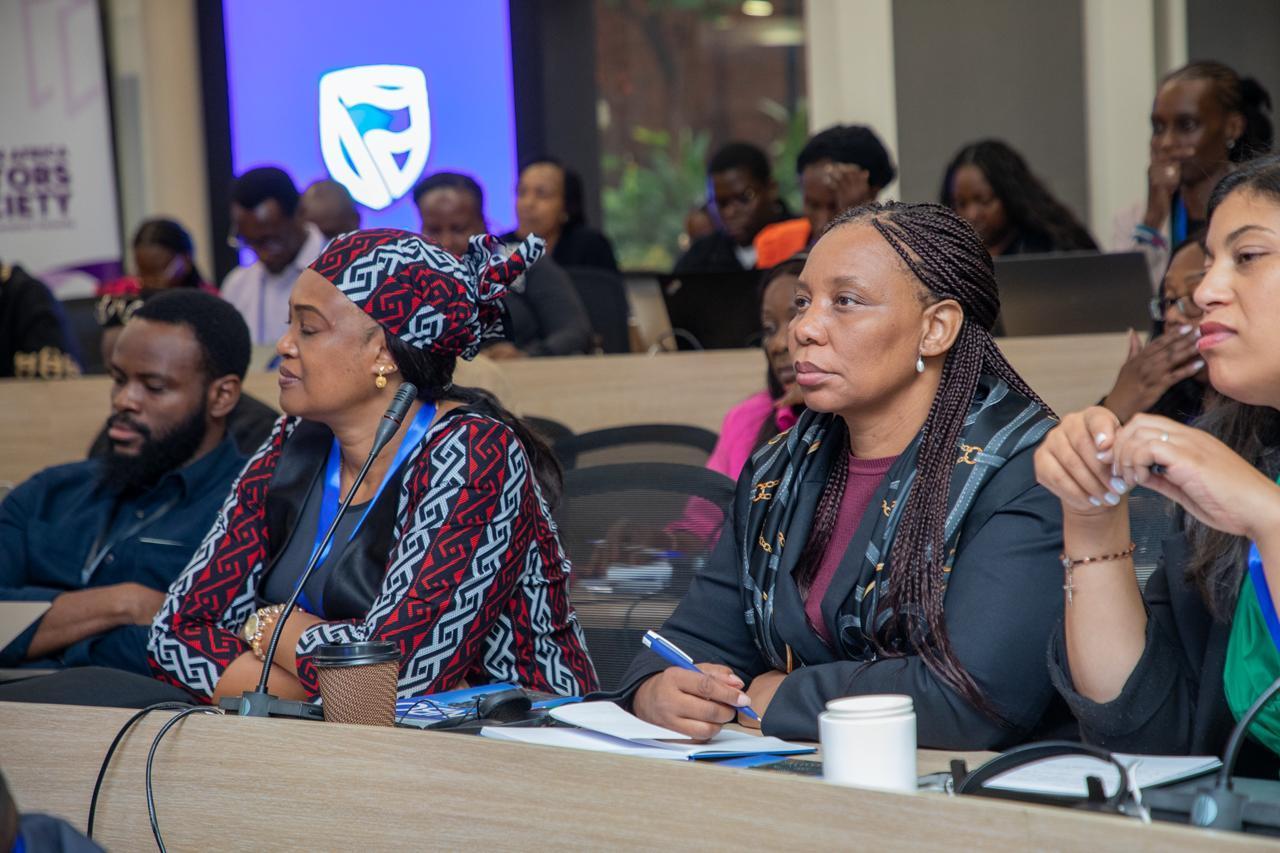
The two-day meeting at the Aga Khan University among other issues seeks to reclaim value, rebuild trust and redefine sustainability in the media.
KEG CEO Linda Bach called for candid conversations and homegrown solutions towards media sustainability.
“We are convening at a time when the media space is grappling with issues of trust, sustainability and growing influence of digital platforms. I am looking forward to candid conversations and some homegrown solutions,” she said.
The theme of the congress draws from the M20 Johannesburg Declaration, which called for strengthened information integrity and media sustainability amid the growing dominance of global digital platforms.
Tech companies such as Meta and Google have disrupted advertising revenue models that once sustained newsrooms across Africa and beyond.
Association of Independent Publishers board chairperson Anetta Barnes-Mangxaba urged newsrooms to use AI to enhance their work.
“Instead of seeing it as an overwhelming replacement factor, we should use it in our newsrooms,” she said.
She urged media houses to identify tools that work for them, control those tools, collect data and produce content relevant to their audiences.
Managing director of Frontpage Media House Makhosazana Zwane-Siguqa urged media organisations to focus on building operationally functional and truly sustainable structures rather than dwelling on past models.
“We now need to look forward and focus on building organisations that are operational, functional and truly sustainable. The key question is how have we built for the future and how do we ensure we continue to adapt and thrive?” she said.
The meeting also focused on securing fair compensation for journalists, developing regulatory frameworks to support public-interest journalism; and building sustainable funding models less dependent on foreign capital.
Editors are also expected to explore collective bargaining strategies to establish equitable remuneration practices and push back against expectations that journalism can be produced at no cost while technology giants profit from news content.
Organisers emphasised the need for collaborative partnerships between media organisations, technology companies and civic groups to develop ethical journalism standards and restore audience confidence.