What You Need to Know
Dom Inácio Saure, Archbishop of Nampula, has condemned the rise of methamphetamine use, known locally as ‘Makha’, as a silent war against Mozambican youth. Speaking during a Palm Sunday Mass, he highlighted the urgent need for collective action to combat drug trafficking and its devastating effects on society, particularly the younger generation.
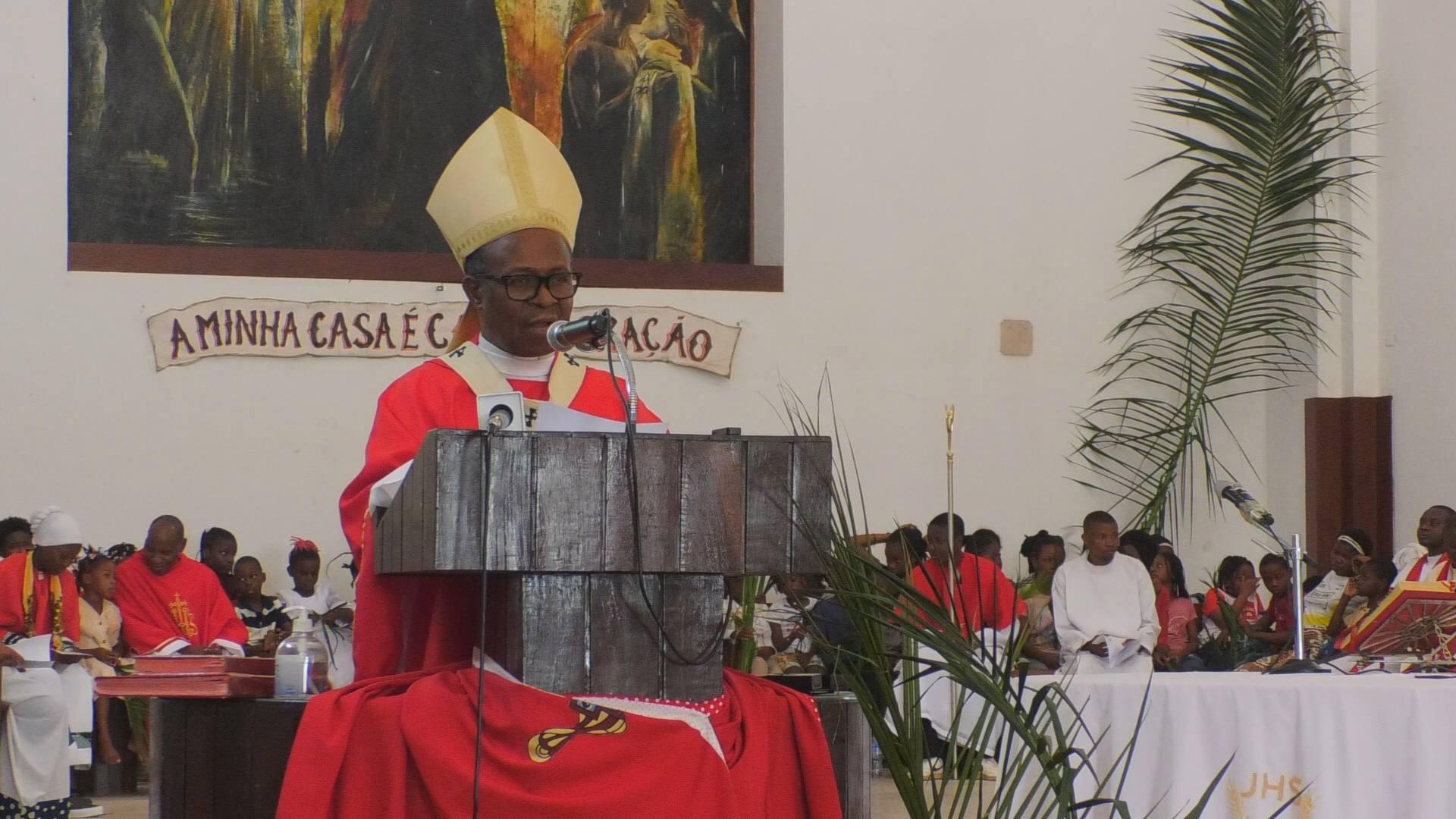
Africa-Press – Mozambique. The Metropolitan Archbishop of Nampula and President of the Episcopal Conference of Mozambique (CEM), Dom Inácio Saure, expressed his concern on Sunday morning (29 March) over the proliferation of drugs, particularly the substance known as “Makha”, describing the phenomenon as a new silent war threatening Mozambican society.
The statement was made during the homily at Mass held at the Parish of Our Lady of Fátima (Sé Cátedra) on Palm Sunday, when Catholics commemorate the triumphant entry of Jesus Christ into Jerusalem and the narrative of his Passion.
On the occasion, the prelate warned of the devastating impact of drug use and trafficking, particularly among young people, emphasising that the youth represent both the present and the future of the Church and society, and are now under increasing threat.
“To take the lives of others for our own benefit is the easiest, most convenient path. In our Mozambican society, particularly in Nampula Province, this is a trauma we witness every day—destroying the lives of others for personal gain. In recent days, the devil, disguised as human beings, brought to Nampula a drug called methamphetamine, locally known as ‘sal’ or ‘Makha’, to decimate, especially the youth, and destroy Mozambican society at its roots, because the youth are the radiant future of the Church and society. Who has not heard of this so-called ‘sal’? It has nothing of salt in it. Those who commit this crime, this odious sin, are unleashing a new silent war against the Mozambican people,” he said.
Dom Inácio Saure was even more forceful in classifying those involved in the illicit drug trade as agents of evil, denouncing their unrestrained pursuit of wealth obtained illegally and at the expense of the suffering of others.
The Catholic bishop described those involved in this “business” as anti-Christ. “I say this firmly, even knowing I put myself at great risk. Do you know what the devil expects? To be celebrated, applauded, promoted, elevated, to become rich, filthy with dirty money. Those who are truly enriching themselves through this unscrupulous crime. I ask you, sisters and brothers, dear in Christ, in the face of the great evils that afflict our society, let us not wash our hands like Pilate. I invite you to act. The time to act has come; it is time to be a beacon of hope in a world that does not know how to love.”
Finally, Dom Inácio Saure called for collective responsibility in confronting the challenges affecting the country, stressing that the Christian response should not be hatred, but rather forgiveness, service to others, and active commitment to building a fairer and more supportive society.
The issue of drug abuse in Mozambique has been escalating, particularly in urban areas like Nampula. The rise of methamphetamine, often referred to as ‘sal’ or ‘Makha’, has raised alarms among community leaders and health officials. This drug poses significant risks to the youth, who are increasingly becoming its primary victims. The Archbishop’s remarks reflect a growing concern within the Church and society about the moral and social implications of drug trafficking and addiction, urging a united response to this crisis.