What You Need to Know
The Mozambique Chamber of Commerce has urged for increased national production and effective management of domestic surplus in light of new rice import regulations. President Lucas Chachine emphasized the need for coordination among stakeholders to ensure quality production and market stability. Concerns were raised regarding the implementation of these measures and the absence of detailed import,
Africa-Press – Mozambique. The Mozambique Chamber of Commerce (CCM) on Wednesday (25) called for stronger national production and the absorption of domestic surplus, within the framework of the new rice import rules recently approved by the Government.
The position was expressed by the president of the CCM, Lucas Chachine, who warned of the need for coordination among sector stakeholders. “Local production, with quality and high levels of productivity, requires joint effort and coordination among different stakeholders, otherwise market costs may increase,” he said.
According to Lucas Chachine, it is essential to ensure the purchase of products available on the domestic market. The aim, he explained, is to guarantee the absorption of existing surplus while also encouraging national producers.
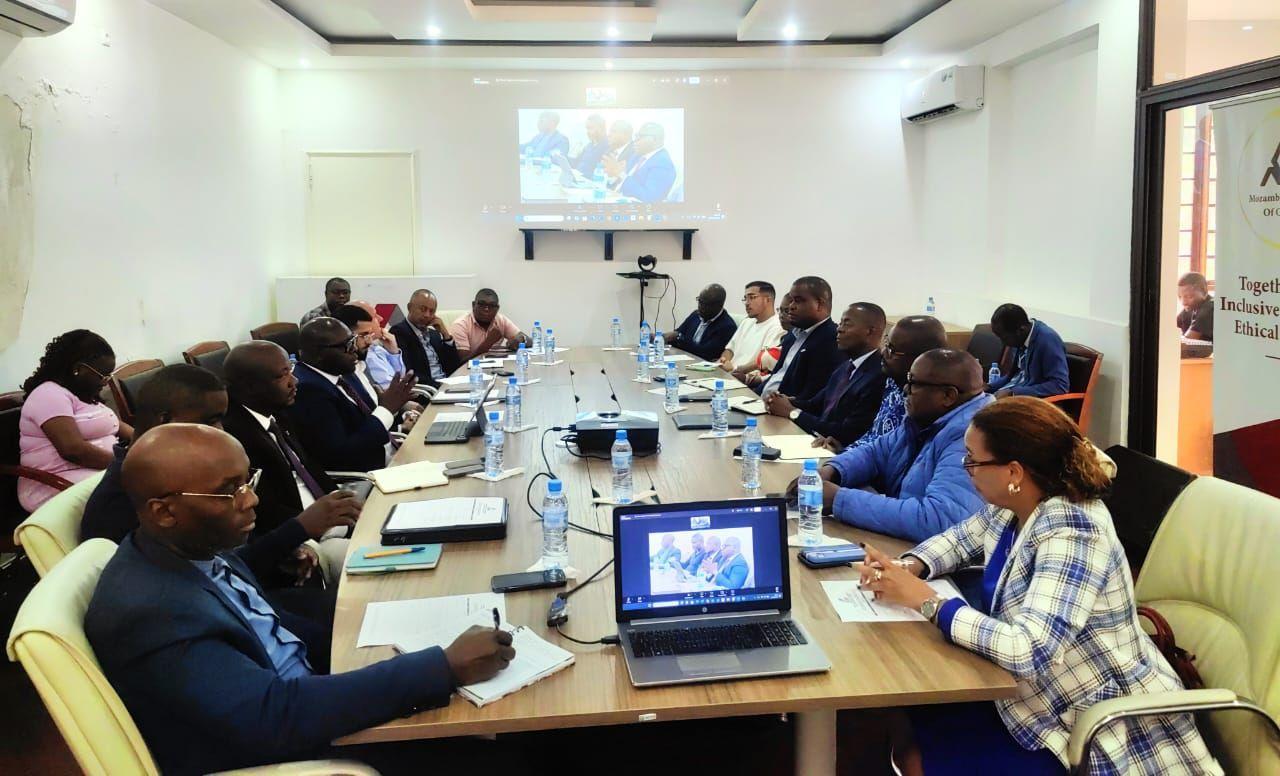
These concerns were raised during a meeting between the Mozambique Chamber of Commerce and the Mozambique Grain Institute (ICM), held to clarify the new measures relating to cereal imports in the country.
Under the legal framework, the ICM has been managing rice imports since 1 February and will also take over wheat imports from 1 May, as part of the new rules defined by the Government.
The director of the Mozambique Grain Institute, Luís Fazenda, explained that the measures aim to improve market functioning. “The new rules seek to combat under-invoicing, improve the import process and, at the same time, boost national production,” he said, adding that the process will involve the Bank of Mozambique and commercial banks.
Even so, the Mozambique Chamber of Commerce expressed concerns about the implementation of the measures, questioning the absence of detailed regulations, price-setting criteria, import costs and the definition of quotas.
In response, the Mozambique Grain Institute indicated that the regulation is in the approval phase and that strengthening domestic production should gradually lead to a reduction in imports, in a process already underway for rice since February and for wheat from May.
The Mozambique Chamber of Commerce plays a crucial role in advocating for local economic development and production. With the recent changes in rice import regulations, the focus has shifted towards enhancing domestic agricultural capabilities to reduce dependency on imports. The collaboration between the Chamber and the Mozambique Grain Institute highlights the importance of strategic planning in the agricultural sector to ensure food security and economic stability.
Historically, Mozambique has faced challenges in balancing import needs with local production capabilities. The government’s new measures aim to streamline the import process while simultaneously boosting local agriculture. By