What You Need to Know
Mozambican President Daniel Chapo inaugurated the Revobue coal mine in Tete, which aims to produce seven million tonnes of coal annually. The project is expected to create 1,500 direct jobs and 8,000 indirect jobs, benefiting local communities. Chapo emphasized the importance of local content and sustainable practices in mining operations.
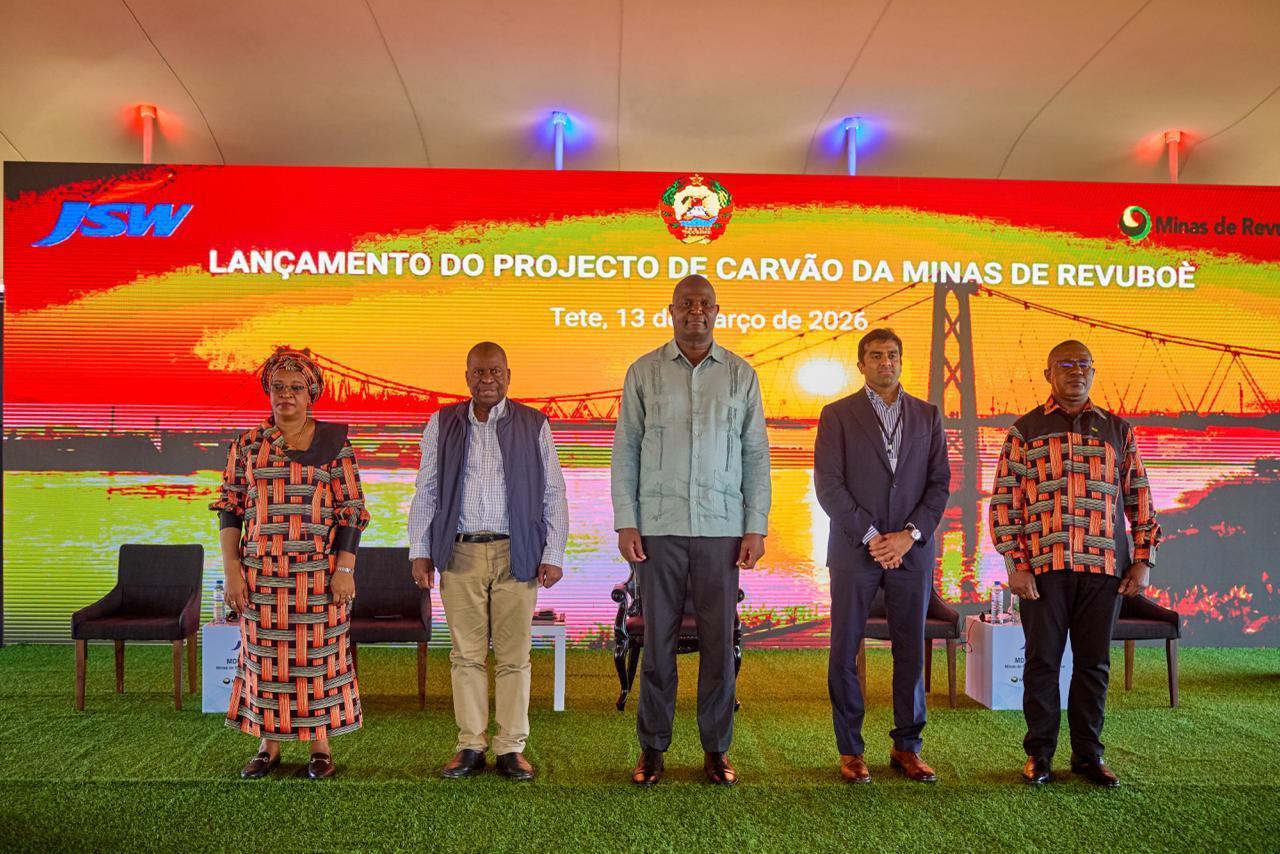
Africa-Press – Mozambique. Mozambican President Daniel Chapo on Friday inaugurated the Revobue coal mine in the central province of Tete, which will produce up to seven million tonnes of coal per year, strengthening Mozambique’s position as one of the main coal producers in southern Africa.
At the ceremony, Chapo declared that the Revobue project has a high economic, social and strategic potential, and could contribute to the sustainable growth of coal production and exports.
He expected the mine to create 1,500 direct jobs and about 8,000 indirect jobs, particularly benefitting young people in Tete. In the initial phase, the mine is expected to produce 3.5 million tonnes of coal a year, rising to seven million tonnes a year as from 2032.
The mine is expected to have a useful life of 35 years. The main shareholder in the mine is the Indian group Jindal, which is already dominant in the mining industry in the Moatize coal basin in Tete.
Chapo thanked Jindal for “including the Revobue mine in its business strategy and for taking the audacious decision to invest in this project, in this province and in our country”.
Coal will be exported from the Revobue mine along the Sena railway to the port of Beira.
Previously, the mine was owned by the Talbot Group and by Nippon Steel of Japan.
Chapo stressed the need for “local content”, so that Mozambican companies and local communities will have the opportunity to supply goods and services to the mine.
The President added that mining should strictly respect social and environmental standards. Jindal has come under heavy criticism for the pollution caused by its largest mine in Mozambique, in Moatize district.
Development of the mine means that the inhabitants of five villages must be resettled. Chapo stressed that resettlement must guarantee better living conditions for the people being resettled.
“The resettlement town that will be built should serve as a model, with decent houses, a health centre, schools, electricity and other essential services”, he said.
Chapo called for permanent dialogue between investors, communities and the local authorities to ensure the success of the mine.
Tete has some of the most important coal reserves in Africa, he stressed, “and our historic challenge has been to transform this geological wealth into measurable human development, in terms of better living conditions for each Mozambican family”.
Chapo said that the Revobue project is also part of the government’s industrialisation strategy. He stressed the need to end dependence on the export of raw materials.
“For decades Mozambique has exported raw materials without any added value”, said the President, “leaving the benefits of industrial processing to other countries. This paradigm has to change, and with Revobue, we are beginning to change it”.
Chapo sad the coal produced in the mine will be used in Jindal’s own industrial units for steel production “thus contributing to the development of the value chain on Mozambican territory”.
Mozambique has significant coal reserves, particularly in the Tete province, which has attracted foreign investment, notably from the Indian Jindal Group. The Revobue mine is part of a broader strategy to enhance the country’s industrial capacity and reduce reliance on raw material exports. Historically, mining in Mozambique has faced challenges, including environmental concerns and the need for community engagement in development projects. The government aims to ensure that mining activities contribute positively to local economies and improve living conditions for affected communities.