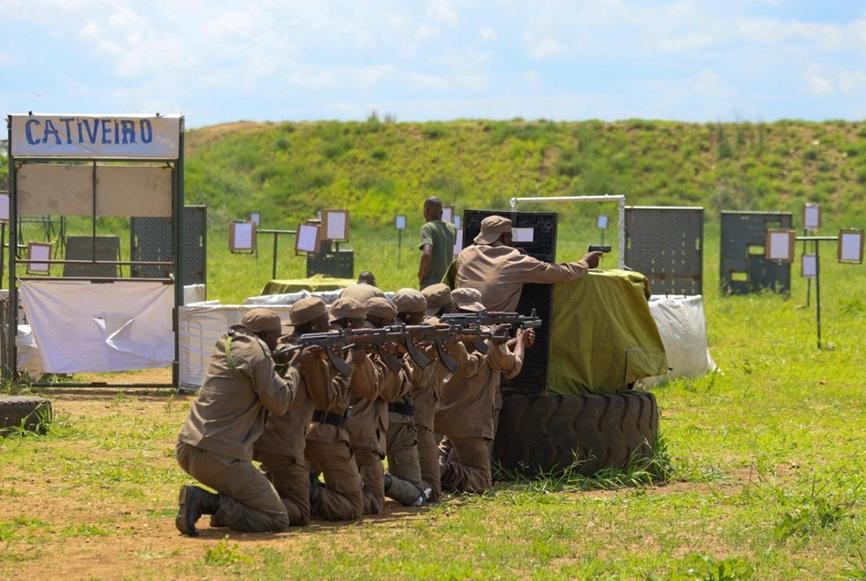
Africa-Press – Mozambique. Mozambican President Daniel Chapo said on Sunday that specialist training of the Mozambican Police Force (PRM) is fundamental for boosting public security.
Speaking at the close of a course for sergeants at the police school in Nhamatanda, in the central province of Sofala, Chapo said that the course was a gain for the PRM because it put at the disposal of the State new cadres endowed with technical and scientific skills, in line with the current demands of public security.
The course was not merely a symbolic act, he said, but should be seen as “a strategic investment in the protection of the public and in the consolidation of public order”. The effects of the course, he added, should be reflected in the daily performance of the police among the local communities.
Chapo said the skills the graduates have acquired from the course should be expressed “in more effective and responsible police intervention, in line with local realities, contributing to a strengthening of the trust between the police and the citizens.
The President said that among the serious crimes Mozambique faces are kidnapping, trafficking in people, drug trafficking, terrorism and money laundering.
Chapo stressed the “growing complexity” of these phenomena, and police officers must be duly prepared so that they can respond effectively to the new threats to public order and tranquillity.
He recalled that, when he was sworn into office in January, he had promised to make specialist police training one of the main weapons of the Mozambican state in combatting the factors that threaten peace and social harmony.
He was fulfilling this promise and was sure that the newly trained sergeants would play a determinant role in building a more competent, disciplined and credible police force.
Chapo called on the new sergeants to show scrupulous respect for legality and to provide a selfless service for citizens. Police authority, he said, “must be exercised with discipline, ethics, and a sense of humanity. The imposition of authority should co-exist with a relationship of proximity and permanent dialogue with the communities”.