What You Need to Know
Mozambique customs have seized a 25,000-tonne rice shipment at Nacala Port, valued at $8.8 million. The seizure stems from discrepancies in cargo declaration and unpaid fees to the Mozambique Grain Institute. Authorities are investigating potential fraud as the government tightens control over cereal imports to prevent financial irregularities.
Africa-Press – Mozambique. A large-scale inspection operation resulted in the seizure of a massive 25,000-tonne rice shipment at the Port of Nacala in Mozambique. The shipment, transported by the Panama-flagged vessel MV TAN BINH 357 from Pakistan, is valued at approximately US$8.8 million, equivalent to more than 570 million meticais.
The Gordian knot of the case seems to lie in the cargo declaration, with an additional issue arising from the reportedly unpaid fee to the Mozambique Grain Institute.
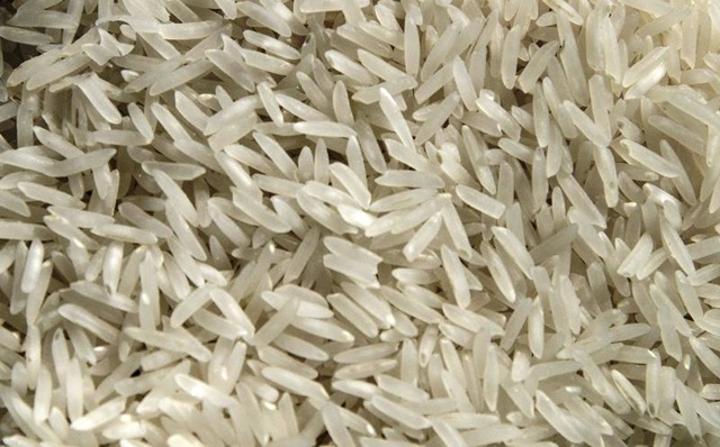
According to Jornal Savana, around 13,000 tonnes of the product were registered as “seed rice,” a category that benefits from full exemption from fiscal obligations. However, specialised technicians confirmed that the unloaded product was semi-milled rice intended for human consumption, representing an improper reclassification with a direct impact on State revenue.
In addition to the discrepancy in the nature of the product, authorities identified that the fee associated with the Mozambique Grain Institute (ICM) had not been paid. This incident occurs at a critical moment of transition, as the Government has centralised cereal imports to strengthen control over financial flows and prevent capital flight.
The owning company, África Indústrias Lda., reportedly paid customs duties only on part of the shipment, which led to the immediate suspension of unloading operations and the detention of the vessel. The case has already been submitted to the Public Prosecutor’s Office, so that the Customs Investigation and Intelligence Division can gather evidence of possible fraud.
As authorities tighten measures against under-invoicing and manipulation of customs classifications, the business sector has expressed concern. The Confederation of Economic Associations (CTA) has warned that this new centralised rice and cereals import model could create logistical challenges and risks of shortages in the national market if operational mechanisms are not adjusted promptly.
The Port of Nacala is a crucial hub for Mozambique’s import and export activities, particularly for agricultural products. Recent government measures have aimed to centralize cereal imports to enhance oversight and mitigate issues like capital flight and under-invoicing. This incident highlights ongoing challenges in customs regulation and the impact on the local economy, especially concerning food security and market stability. As authorities ramp up enforcement, businesses are concerned about potential logistical hurdles and supply shortages.