Africa-Press – Mozambique. The Dutch government has pledged to disburse 25 million euros (29.2 million US dollars at the current exchange rate) to support the actions by Mozambique’s Central Regional Water Board (ARA – Centro) to restore the rivers severely affected by pollution from mining.
According to Elsbeth Akkerman, Dutch Ambassador to Mozambique, speaking to reporters in Manica, the funding comes at critical time, after local authorities confirmed that pollution has already caused a drop of about 30 per cent in agricultural production, directly affecting communities that depend on rivers for consumption and irrigation.
After visiting agricultural areas adjacent to the Révue River, where environmental degradation is at its most severe, the Minister found that the impacts of pollution are alarming.
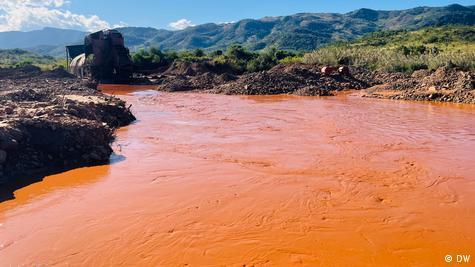
“The area can no longer be used for agricultural purposes. Production has fallen by almost 30 per cent, which is not good for business. The river is the main source of water for local communities and, although it looks clean, the water may be contaminated”, she said.
The diplomat explained that soil is a vital resource and “coordinated action between regional and national governments is needed to ensure that mining activity is carried out responsibly, avoiding irreversible environmental damage.”
Despite the worrying scenario, Akkerman expressed optimism about the future of agriculture and access to water, highlighting the importance of the memorandum of understanding recently signed in Maputo between the Dutch Strategic Environment Commission and the Mozambican Agriculture Ministry, which should strengthen bilateral cooperation in the sustainable management of natural resources.
During the visit, the Dutch mission collected water samples from the Révue River for quality analysis and identification of contamination levels. The river continues to be one of the main sources of supply for several localities, including the city of Chimoio, making the restoration of its ecosystem urgent.
For his part, Salvador Momela, director of the Búzi Basin Management Division at ARA-Centro, said that monitoring work is under way on mining companies and progressive intervention is being carried out in the affected waterways.
“Monitoring work is already under way so that the polluted rivers can be gradually restored”, he said. “However, there are still pockets of pollution due to illegal mining and companies that do not comply with environmental regulations”.
The country’s General Inspectorate of Mineral Resources and Energy (IGREME) had temporarily suspended mining activity in Manica after it was concluded that the pollution was affecting important sources of drinking water such as the Revue river and the Chicamba reservoir, causing serious public health problems.
However, this suspension was largely ignored, leading the government to take more drastic action, attempting to shut down mining in the province altogether.
The main problem is the use of mercury in washing gold. Mercury is highly toxic, but mining operations have made little effort to reduce their use of it. Analysis of the waters of the Manica rivers and of the Chicamba reservoir has revealed the presence not only of mercury, but also of other heavy metals, including lead, cadmium and arsenic.