What You Need to Know
The Mozambican Federation of Transport Associations (FEMATRO) has raised alarms about the severe impact of ongoing fuel shortages on public transport. With many vehicles unable to operate due to lack of fuel, passengers face long waits at bus stops. FEMATRO urges the government to prioritize transport operators at filling stations to alleviate the crisis.
Africa-Press – Mozambique. The Mozambican Federation of Transport Associations (FEMATRO) warned on Friday of the impact of fuel shortages in the country, cautioning that, if the situation persists, it could lead to a lack of public transport.
“The impact is extremely negative, given that operators are already managing losses due to the fare, which is socially regulated. With the fuel crisis, vehicles are operating only half the day because they do not have enough fuel to continue,” FEMATRO president Castigo Nhamane told Lusa.
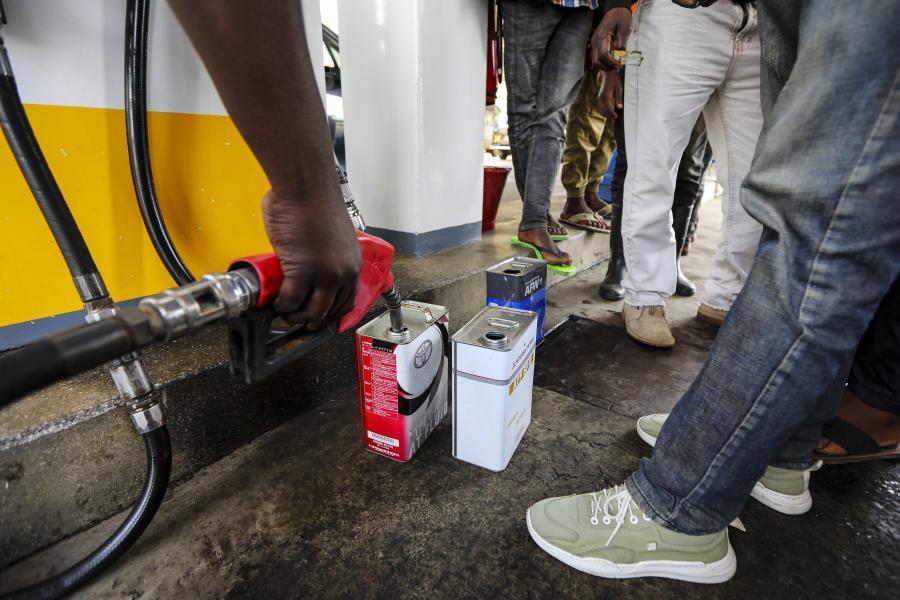
Maputo is experiencing its fourth day of disruption across several streets, with widespread queues of motorists trying to refuel. Most petrol stations remain closed, while others are operating with a police presence, although there have been slight improvements in the availability of petrol and diesel.
According to the FEMATRO official, the situation is particularly affecting passengers, forcing them to spend long hours at bus stops and terminals without access to public transport, as “some vehicles remain parked because they could not leave due to lack of fuel”, while others are stuck in long queues at filling stations for many hours.
“Only to reach the pump and be told they can fill up just 1,000 meticais [13.27 euros],” he said, adding: “What can a minibus do with 12 litres of diesel? The impact is extremely negative, and since last week we have been urging the government to find a reasonable solution to allow refuelling.”
According to Nhamane, all provincial capitals are already facing the fuel crisis, which he linked to the conflict in the Middle East, describing the situation as unpredictable.
“For example, in Matola, yesterday [Thursday], there was a station supplying fuel until 01:00 [23:00 in Lisbon]. It was full of minibuses, and those vehicles are on the road. But today, the stations are again full of other minibuses that have no fuel,” he said.
In the coming days, if the situation is not resolved, FEMATRO expects a scenario characterised by a shortage of transport for Mozambicans, but reiterated that the crisis will not justify fare increases.
“Fares cannot be increased because of fuel shortages. They may be increased for other reasons, but not due to lack of fuel. Raising prices will not put fuel in the tank,” he added, calling on the government to prioritise transport operators at certain filling stations to mitigate the situation.
Regarding the recent appeal for calm by the National Directorate of Hydrocarbons and Fuels (DNHC), which also discouraged hoarding and the creation of domestic fuel reserves, Nhamane said he did not believe hoarding was widespread, although he did not rule out the possibility.
“The only thing I can say is that if fuel were available at filling stations in sufficient quantities, people would not stop working to walk around carrying jerrycans in search of fuel,” he concluded.
In response to the crisis, which is already affecting economic activity in the country, the Ministry of Mineral Resources and Energy announced on the same day the approval of “exceptional and immediate measures” to ensure fuel supply nationwide, guaranteeing the rapid restocking of stations and availability of fuel to the public. The situation has been aggravated by the effects of the conflict in the Middle East.
The government acknowledged on Tuesday “pressure” on fuel stations, with long queues forming amid fears of supply shortages and rising prices.
Mozambique has faced various economic challenges, including fuel supply issues exacerbated by global conflicts. The current fuel crisis is linked to disruptions in supply chains, particularly influenced by the ongoing conflict in the Middle East. This situation has led to increased pressure on transport operators and significant inconvenience for the public, highlighting the vulnerability of the country’s transport infrastructure to external factors.
The government has acknowledged the crisis and is implementing measures to stabilize fuel supply. However, the situation remains precarious, with transport operators struggling to maintain services amidst rising demand and limited fuel access. A