Africa-Press – Mozambique. The Zimbabwean Government will today (Friday) begin the voluntary repatriation of 1 724 Mozambican nationals who have been under international protection — marking the first such exercise since 1994, when more than 50 000 Mozambicans were sent home.
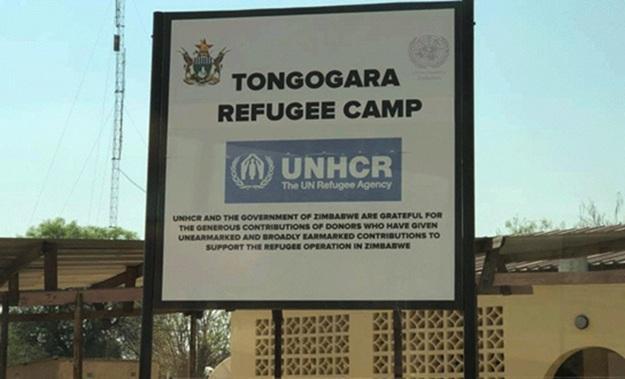
The repatriation process, involving refugees who have been under international protection since December 2016, will see them being transported from Tongogara Refugee Settlement to Mozambique via Mt Selinda Border Post, using hired buses.
When The Manica Post visited Tongogara on Wednesday, many Mozambicans were finalising their paperwork, expressing eagerness to return home after years in Zimbabwe.
The last major repatriation exercise took place in 1994, following the successful implementation of the 1992 Rome Agreement — a peace accord between Frelimo and Renamo. At that time, refugees were repatriated from five camps: Tongogara, Chambuta, Nyangombe, Mazowe Riverbridge, and Nyamatiki.
Officials say the current exercise is expected to bring closure to Mozambicans who have stayed in Zimbabwe for decades, giving them an opportunity to rebuild their lives in their home country.
Tongogara Refugee Settlement administrator, Mr Johane Mhlanga, said most of the refugees being repatriated are from Espungabeira, Chirera, and Chikwekwete, all located in Mousirize District.
“They came to Zimbabwe following military disturbances by Renamo bandits. All the individuals due for repatriation have been staying at Tongogara Refugee Settlement, coexisting with fellow refugees and asylum seekers from over 15 countries. As part and parcel of the Government’s generosity and hospitality, all the Mozambican refugees were involved in self-reliance and livelihoods interventions,” he said.
There are 12 956 refugees and asylum seekers at Tongogara Refugee Settlement.
Mr Mhlanga said relevant inter-governmental procedures are being followed in the latest repatriation process.
“In order to facilitate the smooth repatriation in safety and dignity, the Government engaged the Republic of Mozambique through diplomatic channels. The two governments agreed to work together throughout the procedures and processes involved in repatriation. Buses and trucks have been secured to transport the caseload with their properties,” said Mr Mhlanga, adding that the Mozambicans are happy to finally return to their country.
“The Mozambican nationals are grateful to the Government of Zimbabwe for its hospitality and inclusive refugee policy that enabled them to adjust and cope with their status at Tongogara Refugee Settlement. They are excited that the time has come to return and reintegrate back into their country. Suffice to say, voluntary repatriation is one of the most tried and tested sustainable durable solutions to the refugee problem globally. As a Government, we are happy to play our part in enhancing durable solutions to the refugee crisis,” he said, dismissing reports that some Mozambicans were reluctant to go back home, and had fled Tongogara Refugee Settlement into nearby communities and farms.
“That is not true. All the Mozambicans have expressed their willingness for voluntary repatriation. They are very excited to go back home,” he said.
Mozambicans interviewed on site by The Manica Post expressed satisfaction at the process.
Mr Aleck Khosa (28), who was born in the border area of Chingowe in Mozambique, and came to Tongogara Refugee Settlement in 2017, said he is looking forward to start a new life in a peaceful environment back home.
“At the age of 21, I left Mozambique in 2016 when the Matsangaise dissident activities wreaked havoc in our area. I left Mozambique and came into Zimbabwe in the Chiredzi area.
“I returned to Mozambique a year later to check on my relatives, but I found no one at our place. I looked for them and heard they were at Tongogara Refugee Settlement. I reunited with the family. For me, I have nothing to fear or resist. I am happy to go back to my country as long as there is peace. Personally, I trust the authorities that there is peace now,” he said.
Mr Simon Tito Simango (48) echoed similar sentiments.
“I came here in 2017 at the height of political violence in Mozambique, especially in our area. We had no choice. It was frightening. We walked to this place together with others who also experienced violence and witnessed the killing of innocent people. We are happy to be going back home. We hope that all arrangements to integrate us back into our communities were done, since we have been away for quite some time,” he said.
Mr Tichaona Simango (33), said he personally witnessed some gruesome killings in his home area back then.
“Even as I return, I am still traumatised by what I saw back then. It is not easy to witness the cold-blooded murder of victims that you know by name and houses being burnt in broad daylight,” he said.