What You Need to Know
Graca Machel, a prominent Mozambican activist, criticized the normalization of sexual harassment in Mozambique during a conference in Maputo. She called for harsher punishments for perpetrators and emphasized the need for accountability within the justice system. Machel highlighted the societal attitudes that allow harassment to persist and urged for a shift in how both victims and perpetrators of
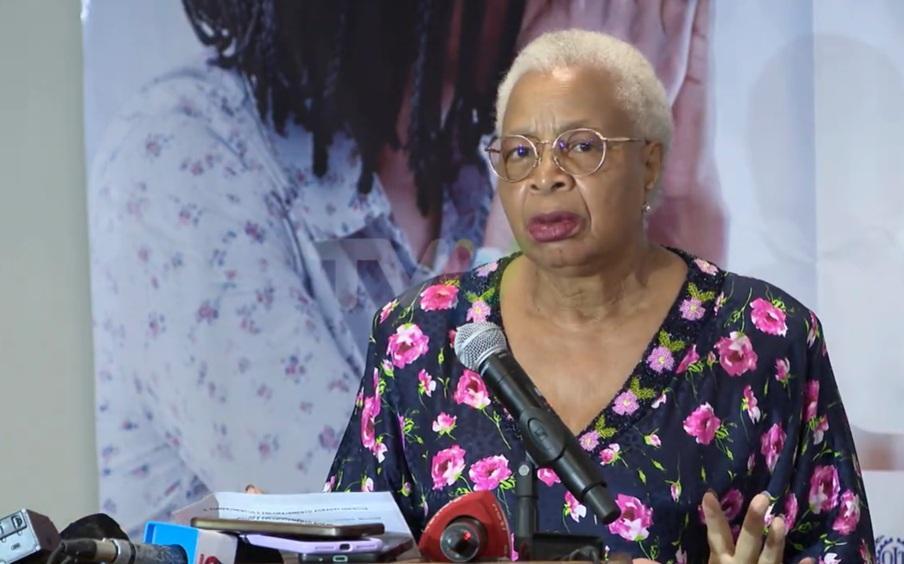
Africa-Press – Mozambique. Mozambican social activist Graça Machel on Friday in Maputo criticised the normalisation of sexual harassment in Mozambique and what she described as the “very weak” accountability of perpetrators, calling for harsher punishments.
“Men believe they have the right to use their positions to oppress, humiliate and strip women of their dignity. They think they have that right, and that is why harassment has become a normalised, tolerated and widespread practice,” said the activist.
For Graça Machel, speaking during the “International Conference on Harassment in the World of Work: Justice, Human Rights and Gender Equality on Sexual Harassment at Work”, an event attended by the Mozambican Prime Minister, the normalisation of harassment stems from abuse of power and hierarchical relations between men and women.
The activist pointed to a national and international approach to sexual harassment that focuses heavily on laws and victims, criticising the “very weak” accountability for perpetrators, as well as the protection of high-profile individuals involved in such cases by the Mozambican justice system.
“We have a lot of detail on how to treat victims, but we must be equally clear about how we treat perpetrators and place this on the same footing,” said the former Mozambican Minister of Education (1975–1989) and widow of the country’s first president, Samora Machel.
Graça Machel called for “severe punishments” and “exemplary cases” within the Mozambican justice system when women have the courage to report, also pointing to the need to change mentalities, behaviour and the way society views women.
“The more visible an aggressor is, the more protection he receives from justice institutions — this is the problem we have in the country,” she said, adding that there are “hundreds of thousands, if not hundreds of millions of women who suffer but find no justice anywhere”.
On 2 April, the president of the Mozambican Association of Judges called in Maputo for greater dissemination of the law against sexual harassment, warning that lack of awareness prevents reporting and hinders efforts to combat practices such as street harassment.
On the same day, the executive secretary of the non-governmental organisation Women’s Observatory, Quitéria Guirengane, said sexual harassment remains a “silent crime”, often difficult to prove and occurring in different social spaces, including streets, schools and workplaces.
Citing data from the 2024 Women’s Status Barometer, Guirengane said 89.2% of women reported feeling safe walking in their neighbourhoods during the day, while only around 20% felt safe at night, noting that this gap reflects a link between harassment and the risk of sexual violence.
Mozambique’s President Daniel Chapo described the increase in gender-based violence (GBV) cases on 8 March as concerning, saying it represents an obstacle to the country’s development efforts.
On 5 March, a group of 1,000 Mozambican women called for the criminalisation of femicide, the legal classification of obstetric and digital violence, the creation of specialised judicial sections for domestic violence, rape and harassment, as well as greater economic independence for the judiciary.
Graca Machel has been a significant figure in Mozambique’s social and political landscape, advocating for women’s rights and justice. Her activism is rooted in a broader context of gender-based violence in Mozambique, where cultural norms often perpetuate the silence around such issues. The call for accountability and reform in the justice system reflects ongoing struggles faced by women in seeking justice against harassment and violence in various social settings. The recent discussions around sexual harassment laws indicate a growing awareness and urgency to address these pervasive issues in Mozambican society.