What You Need to Know
Mozambican health professionals have accused the government of failing to act on negotiated agreements, threatening to escalate their ongoing strike. The union leader highlighted a catastrophic state of the National Health System, with over 1,872 deaths attributed to shortages of medical supplies and poor working conditions. The strike, which began in January, demands full payment of salaries and
Africa-Press – Mozambique. Mozambican health professionals, who have been on strike since January, on Monday accused the government of failing to implement recommendations agreed upon during negotiations, threatening to completely paralyse activities in a new phase of the strike, which has resulted in 1,872 deaths.
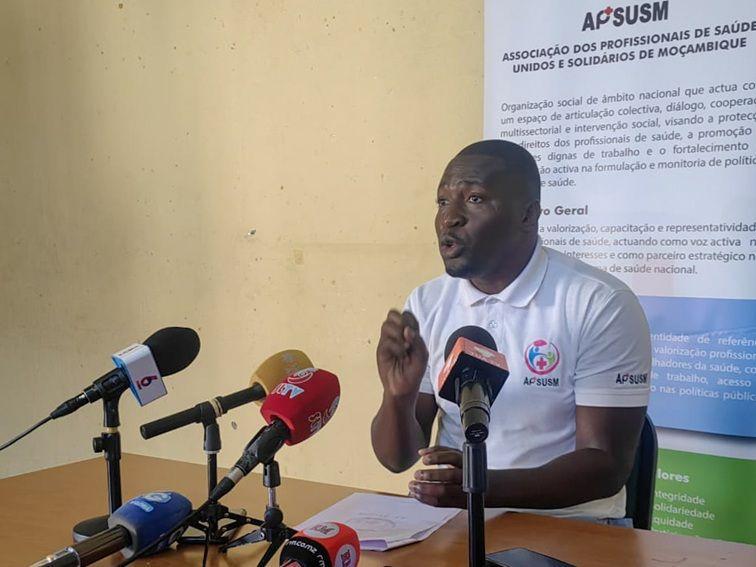
Anselmo Muchave, leader of the health professionals’ union (APSUSM), said during a press conference in Maputo that the strike would continue as dialogue had failed to yield any progress, saying that the recommendations agreed with the government had not been met, describing the current state of the National Health System as “catastrophic”.
According to Muchave, patients are currently dying in national health facilities due to a lack of oxygen, medication and basic equipment, while others are losing limbs to infections caused by a shortage of sterilised medical supplies, characterising the situation as a “silent genocide”, explaining that appointments for simple conditions are being scheduled nine months out, and that health professionals are working in inhumane conditions without resources or support.
Nearly three months after the strike began on 16 January, demanding full payment of the 2025 13th-month salary, as opposed to the 40% approved by the government to be paid by February, and better working conditions in the sector, Muchave pointed to more than 1,872 deaths recorded over the last three months, which he attributed to the shortage of medicines, surgical materials and the lack of medical care.
The APSUSM has demanded immediate action from the government to resolve the crisis, specifically calling for a guaranteed supply of medical materials, improved working conditions and justice for those who have died in hospitals due to these shortages.
The union, which represents approximately 65,000 health professionals across various departments, said that they would not back down and that, if a consensus was not reached within the coming days, the next stage of the strike would involve a total stoppage of activities across all national health units.
He said that they had not initially refrained from a total stoppage to see if the new government would show sensitivity, concluding by saying that the current administration appeared less accessible than its predecessor.
On 16 March, the health professionals extended the strike for an additional 30 days, citing a lack of responsibility regarding government commitments.
Muchave said that this was a weighted decision based on their responsibility to the professionals and Mozambique’s people, saying that the strike remains a legitimate tool for demanding structural solutions to the sector’s problems.
The Mozambican health sector has faced four years of strikes called by APSUSM, alongside various periods of pressure over the last three years from strikes led by the Medical Association of Mozambique (AMM), demanding better working conditions.
The health sector in Mozambique has been plagued by strikes and protests over the past few years, primarily driven by demands for better working conditions and adequate resources. The health professionals’ union, APSUSM, has been at the forefront of these movements, advocating for the rights of approximately 65,000 health workers. The ongoing strike, which began in January, reflects deep-seated frustrations over government commitments and the dire state of healthcare services in the country. As the situation escalates, the union’s calls for action highlight the urgent need for systemic reforms in Mozambique’s healthcare system.