What You Need to Know
Karingani Game Reserve recently hosted graduates from the Master’s Programme in Conservation Biology at Gorongosa National Park. This immersive visit aimed to strengthen conservation efforts in Mozambique by providing hands-on experience in managing conservation areas and engaging with community initiatives. The collaboration highlights the importance of developing local talent in environmentalism
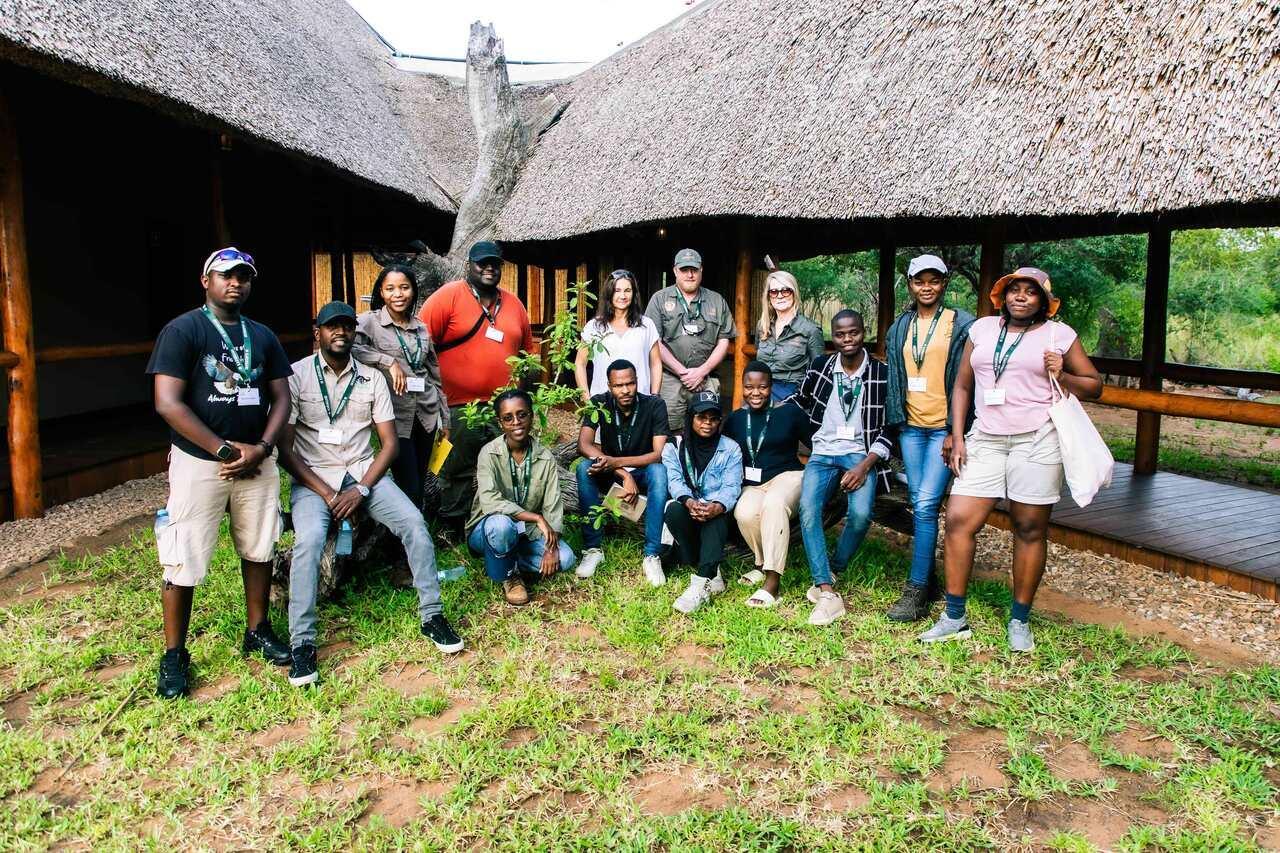
Africa-Press – Mozambique. Karingani Game Reserve (KGR) recently hosted a group of young Mozambicans who graduated from the Master’s Programme in Conservation Biology at Gorongosa National Park, as part of a three-day immersive learning visit, reinforcing Karingani’s role as a leading platform for conservation, research, and capacity building in Mozambique.
The visit provided the graduates with direct exposure to the operational realities of managing a large conservation area, integrating biodiversity conservation, community development, sustainability initiatives, and conservation-driven tourism.
This initiative is part of a growing collaboration between Karingani Game Reserve and Gorongosa National Park, aimed at strengthening national capacity in the conservation sector and preparing the next generation of Mozambican environmental leaders.
During the visit, students engaged with Karingani’s technical teams, participated in field excursions, and visited community and sustainability initiatives implemented by the reserve. Projects such as clean water supply systems, sustainable fisheries, waste management programs, and local employment opportunities demonstrated how conservation can generate tangible benefits for surrounding communities while strengthening long-term ecological outcomes.
Participants also highlighted the importance of integrated approaches that combine science, operations, and community engagement, recognising Karingani’s growing potential as a platform for applied research, biodiversity monitoring, and the development of innovative solutions tailored to the Mozambican context. The reserve was described by the visiting graduates as a promising model of how conservation areas can simultaneously promote ecological integrity and socio-economic development.
The visit further highlighted the graduates’ strong motivation to pursue careers in conservation, with interests ranging from wildlife and biodiversity monitoring to data science applied to conservation, aquatic ecosystem management, and community-based conservation programmes. In this context, Karingani is exploring opportunities to integrate some of these graduates into internship and employment programmes, strengthening its technical capacity while contributing to the development of a new generation of Mozambican professionals.
For Karingani and its partners, this initiative represents a strategic investment in the future, reinforcing their commitment to national capacity building, strengthening institutional partnerships, and positioning the conservation area as a center for learning, research, and innovation within Mozambique’s conservation landscape.
Karingani’s Executive Director, Mateus Mutemba, stated “Hosting the students reinforces our commitment to developing Mozambican talent and positioning Karingani as a center for conservation learning, research and innovation. Investing in young professionals is essential to securing the future of conservation in Mozambique”.
In turn, Aurora Malene, President of the Gorongosa Restoration Project added “Partnerships like this are critical in expanding opportunities for our students. Exposure to different conservation models strengthens their skills and broadens their understanding of how ecosystems can be effectively managed and restored”.
The visit is part of a constantly evolving ecosystem of partnerships. In recent years, Karingani has sent more than 50 students to study hospitality courses at the South African College for Tourism (SACT) and Tracker Academy, both located in South Africa and among the most prestigious hospitality training institutions in the region.
Many of these graduates are now integrated into the teams of Karingani Game Reserve and Gorongosa National Park, actively contributing to the development of conservation and nature-based tourism sectors in Mozambique.
Karingani Game Reserve continues to position itself not only as a conservation landscape, but as a dynamic platform for training, collaboration, and innovation, playing an increasingly important role in shaping the future of conservation in Mozambique.
About Karingani Game Reserve
Karingani Game Reserve (KGR) is in southern Mozambique and shares borders with the Limpopo National Park (LNP) and Kruger National Park (KNP) in South Africa. Karingani Game Reserve (KGR) is recognized as an important environmental conservation area dedicated to protecting history and terrestrial mammal species. It is committed to promoting tourism, conservation, socio-economic development, and fostering strong relationships with the community. Currently, the reserve employs more than 423 people, of whom 86.29% come from neighboring communities in the provinces of Maputo and Gaza, where the reserve is located. Another 11.11% are Mozambicans from other provinces, and the remaining 2.26% are foreign nationals. Karingani, which means “to tell stories” in Changana, refers to a traditional practice of the local people in the region where the reserve is situated. The Karingani initiative is more than just a narrative; it is continuously evolving, inspired by the spirit of the respected storyteller who preserves ancient traditions. This custom is part of Mozambican culture and is valued and respected by the project. The initiative blends this rich cultural heritage with the modernity of contemporary Africa, creating an innovative environment for the project’s development. www.karingani.com
About the Gorongosa Restoration Project
The Gorongosa Restoration Project is a co-management partnership between the Government of Mozambique and the Greg Carr Foundation, a US philanthropic institution. Over the past two decades, the project has gained international recognition as “the largest wildlife restoration in history” (National Geographic) and has been widely praised for its integrated model of biodiversity conservation and human development.
The Gorongosa Restoration Project is based on the belief that healthy ecosystems directly benefit people, and that communities with improved living conditions, education, and opportunities become active partners in protecting Gorongosa National Park, ensuring long-term impact and sustainability.
About the Master’s Programme in Conservation Biology
The Gorongosa Master’s in Conservation Biology Program was created in 2017 by the Gorongosa Project with a grant from the Howard Hughes Medical Institute (HHMI) in order to prepare Mozambicans to advance conservation in their rich biodiverse nation.
The program is the first and only MSc in conservation biology in Mozambique, and it is the only Master’s program in the world to be conducted entirely in a national park. The Master’s programme is delivered by a consortium established between Gorongosa National Park, UniZambeze, UniLúrio, the Instituto Superior Politécnico de Manica, and the University of Lisbon. It offers a truly unique educational experience in which students are fully immersed in conservation, interacting with biologists, rangers, and community outreach and ecotourism professionals. By studying, conducting research, and living in Mozambique’s flagship national park, students gain much more than an academic education; their entire lifestyle revolves around the practice of conservation in protected areas.
Karingani Game Reserve, located in southern Mozambique, plays a crucial role in conservation and community development. It collaborates with Gorongosa National Park to enhance local capacity in conservation biology, preparing Mozambicans for careers in environmental management. This partnership is part of a broader effort to integrate conservation with socio-economic development in the region.
The Gorongosa Restoration Project, recognized globally for its wildlife restoration efforts, emphasizes the connection between healthy ecosystems and community well-being. By investing in education and training, these initiatives aim to create a sustainable future for Mozambique’s rich biodiversity.