What You Need to Know
Anglican churches in London are partnering with their counterparts in Mozambique to assist communities affected by catastrophic flooding. The flooding, described as the worst in a generation, has led to significant loss of life and displacement. The Hope Restored program aims to provide emergency aid to families in the hardest-hit areas, including food and hygiene kits, while also focusing on long
Africa-Press – Mozambique. A partnership of Anglican churches in Mozambique and London is helping communities to recover from the catastrophic flooding across swaths of the Southern African country.
Tens of thousands of people had to be rescued after rivers burst their banks after flooding, which has been described as the worst in a generation, after a year’s worth of rain fell in ten days (News, 6 February).
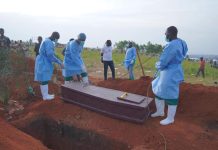
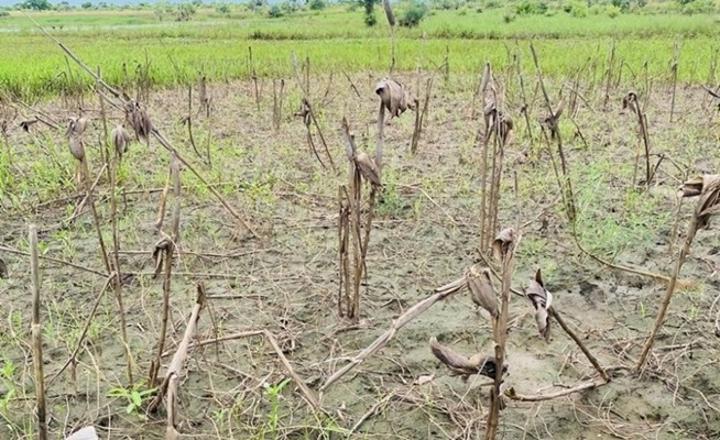
At least 279 people have died in the flooding, and thousands have been displaced from their homes. Schools, medical facilities and of crops and farmland has been destroyed.
Churches in London are fund-raising to support 900 families in the worst-hit areas through a programme, Hope Restored. The Anglican diocese of London has a longstanding partnership with Mozambique though the Angola London Mozambique Association (ALMA).
Money raised through the Hope Restored appeal will provide emergency food rations, hygiene kits, and agricultural seed kits to help families to plan for the future.
Church-led environmental-action groups are also working to provide long-term support in communities, such as that of Inhambane, where Anglicans worked with the local council to reduce erosion and to mitigate future flood risk by planting vetiver grass — which has a deep-root system — to help to stabilise soil and manage water flow, which helps to restore land affected by flooding.
The Revd Aurelio Uqueio, a priest in the Anglican diocese of Inhambane, said that the homes of many had been destroyed in a cyclone in February. His own home was one of those badly affected; but he said that the local church was supporting the humanitarian response, and helping with the reconstruction of the community.
The Bishop of Maciene, the Rt Revd Agostinho Roberto Buque, said that he had witnessed remarkable resilience in the region’s Anglican congregations.
“Even in the midst of hardship, I have witnessed many signs of God’s grace,” he said. “Families share what little food they have with neighbours. Women in community-savings groups encourage and support one another. Parish leaders and church volunteers have opened their doors to shelter those who have nowhere else to go.
“People tell us not only what they need to survive today, but what they hope for tomorrow. They long for the chance to plant again, to rebuild their homes, and to raise their children in safety and dignity.”
The Area Bishop of Willesden, in London diocese, the Rt Revd Lusa Nsenga-Ngoy, said: “The suffering caused by the flooding in Mozambique calls us to a deep and prayerful response. Through our long-standing partnership with the Anglican dioceses of Mozambique, we know these are not distant communities, but sisters and brothers in Christ.”
The recent flooding in Mozambique has been attributed to extreme weather patterns, with a year’s worth of rain falling in just ten days. This disaster has led to widespread devastation, affecting thousands of families and resulting in significant loss of life. The Anglican diocese of London has a long-standing partnership with Mozambique, which has facilitated immediate humanitarian responses in times of crisis. The collaboration aims not only to provide emergency relief but also to implement long-term strategies for community resilience against future disasters.