What You Need to Know
In Sanga district, Niassa province, four maternity wards are operating without water, raising serious hygiene concerns for mothers and newborns. Local residents highlighted this issue during a government and civil society meeting, emphasizing the urgent need for intervention to ensure safe childbirth conditions. The district administrator acknowledged the problem and is working on solutions.
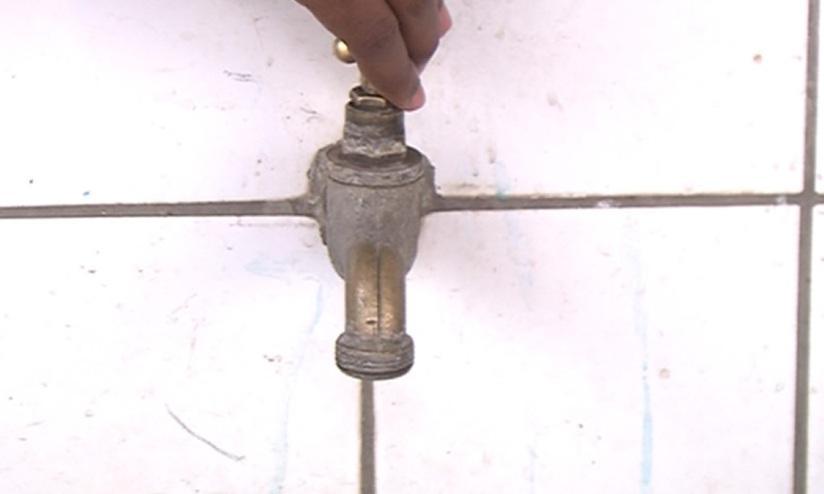
Africa-Press – Mozambique. Four maternity wards located in the communities of Licole, Nsaúca, Mbagarila, and Mapudje, in Sanga district, Niassa province, are operating without access to water, a situation that seriously compromises hygiene conditions during the care of mothers and new-borns.
The concern was raised by local residents during a coordination meeting between the Government, civil society, and communities, held as part of the District Engagement Dialogue, promoted by the Civil Society Learning Centre (CESC) under the “Transparency and Accountability” project.
According to participants, the lack of water in the health units forces families to resort to improvised solutions, transporting containers of water from home to ensure hygiene before, during, and after childbirth, which poses an increased risk to maternal and child health.
Atanásio José, a health technician and representative of the civil society platform, explained that the situation is critical and requires urgent intervention from the relevant authorities.
“Communities are forced to bring water to maternity wards, which makes the work of health staff more difficult and puts the lives of mothers and new-borns at risk,” he said.
In addition to the lack of water, participants at the meeting pointed to other issues affecting community well-being, including poor sanitation conditions, a shortage of desks in schools, a lack of staff, and the absence of public lighting—factors that undermine both the teaching and learning process and public safety.
The provincial officer for the “Transparency and Accountability” project at CESC, Virgílio Maruassa, explained that the tripartite meeting between the Government, the population, and civil society aims to identify, analyse, and find joint solutions to the main challenges affecting communities.
Meanwhile, Catija Afonso, administrator of Sanga district, acknowledged the problem, adding that work is under way to ensure water supply to the maternity wards and improve basic services, which are considered essential for social development and the dignity of communities.
Access to clean water is a fundamental requirement for healthcare facilities, especially maternity wards, where hygiene is crucial for the safety of mothers and newborns. In Mozambique, many rural areas face challenges related to water supply, sanitation, and healthcare infrastructure. The lack of basic services often exacerbates health risks and undermines community well-being, highlighting the need for effective governance and resource allocation to address these critical issues. The ongoing dialogue between government and civil society aims to tackle these challenges collaboratively.