What You Need to Know
Mozambique’s central bank has decided to keep its policy rate unchanged at 9.25%, pausing an easing cycle that began in January 2024. This decision comes as external risks from geopolitical tensions and domestic fiscal challenges have increased uncertainties regarding inflation projections. Annual inflation rose slightly to 3.20% in February, prompting concerns over the country’s economic outlook.
Africa-Press – Mozambique. Mozambique’s central bank kept its policy rate unchanged on Monday, pausing an easing cycle that began in January 2024 as external risks linked to the U.S. and Israel’s war against Iran have compounded domestic problems.
The decision to maintain the policy rate at 9.25% follows 13 successive rate cuts.
Annual inflation stood at 3.20% in February, up slightly from 3.04% in January.
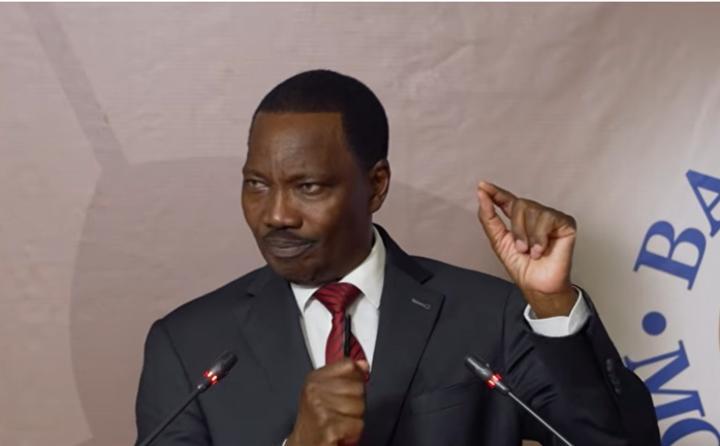
“Risks and uncertainties associated with inflation projections have increased significantly,” Governor Rogerio Zandamela told a press conference.
Among external risks, he cited the impact of the Middle East conflict on supply chains and food and energy prices.
Domestic risks include the Southern African country’s precarious fiscal position, which has seen the government fall behind on some domestic obligations.
The latest debt sustainability analysis conducted by the International Monetary Fund and World Bank found Mozambique’s debt was on an unsustainable path.
Mozambique’s President Daniel Chapo has said the government could seek to restructure its debt once it has clinched a new support programme from the IMF.
Zandamela said on Monday that delays in the payment of domestic public debt by the state were continuing to affect financial markets, including by “dampening demand for government securities and contributing to rigidity in interbank money market interest rates”.
In recent years, Mozambique has faced significant economic challenges, including high levels of public debt and inflationary pressures. The International Monetary Fund and World Bank have highlighted the unsustainable nature of Mozambique’s debt, prompting discussions about potential restructuring. The central bank’s decision to pause rate cuts reflects a cautious approach to navigating both domestic fiscal issues and external geopolitical risks that could impact the economy further. The ongoing conflict in the Middle East has raised concerns about supply chains and commodity prices, adding to the complexity of Mozambique’s economic landscape.