What You Need to Know
The Mozambican government is focusing on scientific soil management as essential for sustainable agriculture, particularly in the face of climate change. Permanent Secretary Acubar Baptista highlighted the need for innovative water management technologies and financing for farmers to improve productivity and address challenges like water stress and flooding.
Africa-Press – Mozambique. The Mozambican government believes that the scientific management of soil is crucial for sustainable agriculture at a moment when the world is facing climate change.
According to Acubar Baptista, the Permanent Secretary at the Agriculture Ministry, speaking to reporters on the sidelines of a congress entitled “Cultivating the Future: Innovation, Technology and Governance in Agriculture”, the country must promote a sustainable approach to agriculture and address challenges such as water stress, climate change, and the impact of floods.
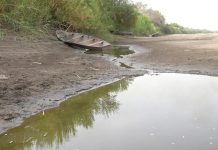
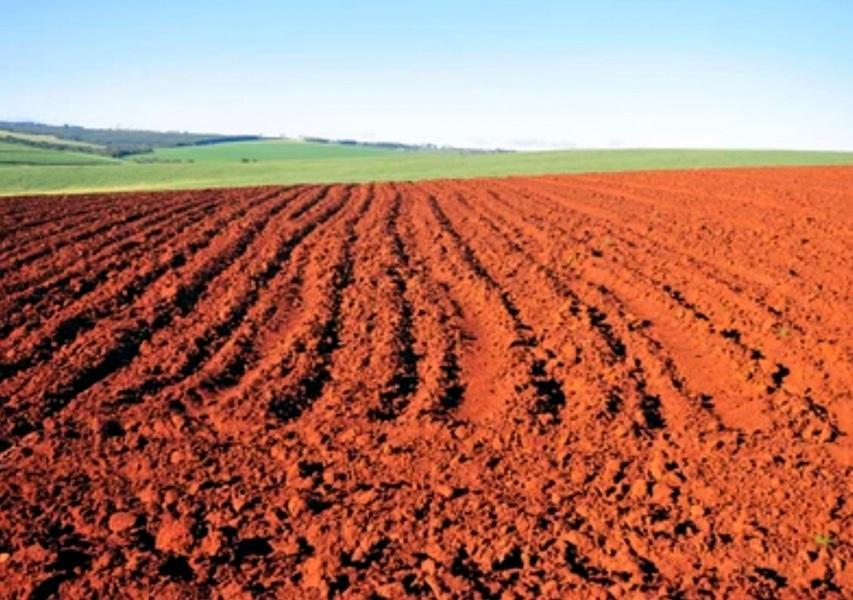
“The basis of production is the land. When we don’t treat the land well, we are compromising agriculture. Water stress is one of the main constraints, which means that we need to introduce technologies to improve water management”, he said.
“We have to consider water as a factor of production and not just as rain,” he added.
According to Baptista, the implementation of these technologies must be prioritized in arid or water-scarce areas, where the effects of climate change are most severe.
“In these areas, we will concentrate our intervention efforts. However, in regions with greater water availability, the strategy will optimize water use to increase productivity. We can go from one to two or more harvests,” he said.
Baptista also revealed that the government intends to create financing lines for the entire value chain, covering family farmers, small and medium-sized enterprises, and large producers.
To this end, negotiations are underway with international partners, including the World Bank, the International Fund for Agricultural Development (IFAD), and the African Development Bank.
“We are at an advanced stage of mobilizing financing, with an initial portfolio estimated at around 250 million dollars. The government is also implementing emergency measures to support producers affected by the floods recorded since the beginning of the year, which caused losses estimated at around 400 million meticais”, he explained.
For her part, the Spanish ambassador, Teresa Vidal, said that Spain remains committed to supporting the modernization of agriculture.
“Agriculture is fundamental not only for food security, but also for the development of trade and exports. Cooperation between Spain and Mozambique in this area has lasted for about 50 years”, she said.
According to Vidal, within the framework of this partnership, a technological innovation project will be implemented in Mozambique to monitor agricultural production through digital tools. the project, which will last two years, is budgeted at 500,000 Euros (580,000 US dollars, at the current exchange rate).
Initially, the project will be implemented in the northern provinces of Niassa and Cabo Delgado; and the southern provinces of Gaza and Maputo, with the prospect of expansion to other regions of the country.
Mozambique has faced significant agricultural challenges due to climate change, including water scarcity and flooding. The government is now prioritizing sustainable agricultural practices to enhance food security and economic development. Collaborations with international partners aim to implement technological innovations that support farmers and improve agricultural productivity across the country. This initiative reflects a broader trend in many developing nations to adapt agricultural practices to changing environmental conditions.