What You Need to Know
In 2025, Mozambique recorded 18,365 cases of gender-based violence, predominantly affecting women and girls. The alarming statistics were revealed during the launch of a national campaign aimed at combating gender-based violence and femicide, emphasizing the urgent need for societal involvement in addressing this pervasive issue. The Secretary of State for Gender and Social Action highlighted the
Africa-Press – Mozambique. Mozambique recorded a total of 18,365 cases of gender-based violence in 2025, of which around 79.9 per cent involved women and girls as victims.
During the same period, 40 homicides of women were reported, highlighting the persistence of the most extreme forms of this problem.
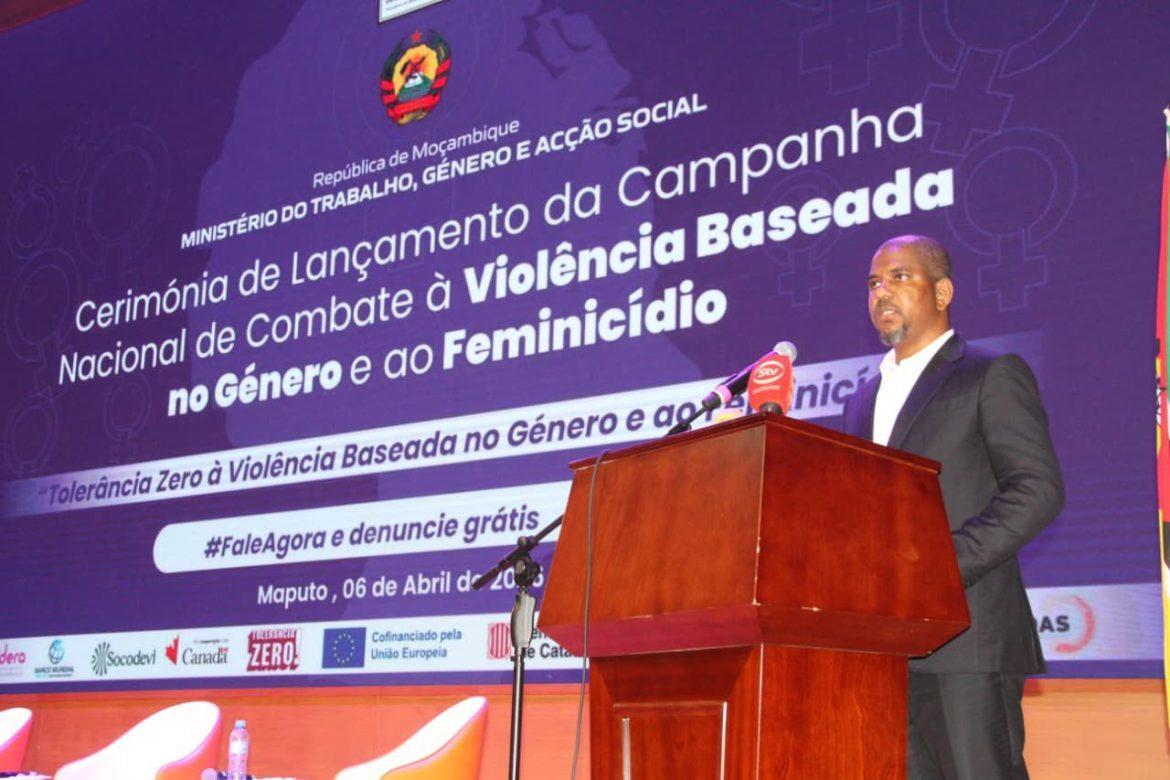
The data were presented by the Secretary of State for Gender and Social Action, Abdul Esmail, this Monday in Maputo, at the launch of the National Campaign to Combat Gender-Based Violence and Femicide, which is taking place under the slogan: “Zero Tolerance for Gender-Based Violence and Femicide.”
According to the official, the numbers reflect a persistent and unacceptable reality, requiring the involvement of all of society in its prevention and response.
Abdul Esmail also emphasised that violence against women and girls constitutes one of the most serious human rights violations today, with deep social, economic, cultural, and public health implications.
“It is a phenomenon that undermines sustainable development and weakens the foundations of our society,” he pointed out.
Gender-based violence has been a persistent issue in Mozambique, reflecting broader societal challenges. The government has initiated various campaigns and policies aimed at addressing this crisis, but the statistics reveal that significant work remains to be done. The recent report underscores the need for comprehensive strategies that involve community engagement and education to combat these human rights violations effectively. The ongoing efforts to raise awareness and promote zero tolerance for such violence are crucial in fostering a safer environment for women and girls in the country.