What You Need to Know
Mozambique’s Ministry of Mineral Resources and Energy has indicated that fuel prices may rise due to increased import costs, primarily influenced by international factors. The government is assessing the situation and preparing mitigation measures to lessen the impact on consumers and the economy, urging the public to remain calm amid these developments.
Africa-Press – Mozambique. Mozambique’s Ministry of Mineral Resources and Energy has warned that fuel prices on the domestic market may rise in the near future, given the sharp increase in the costs of importing refined fuel, largely due to the US/Israeli aggression against Iran.
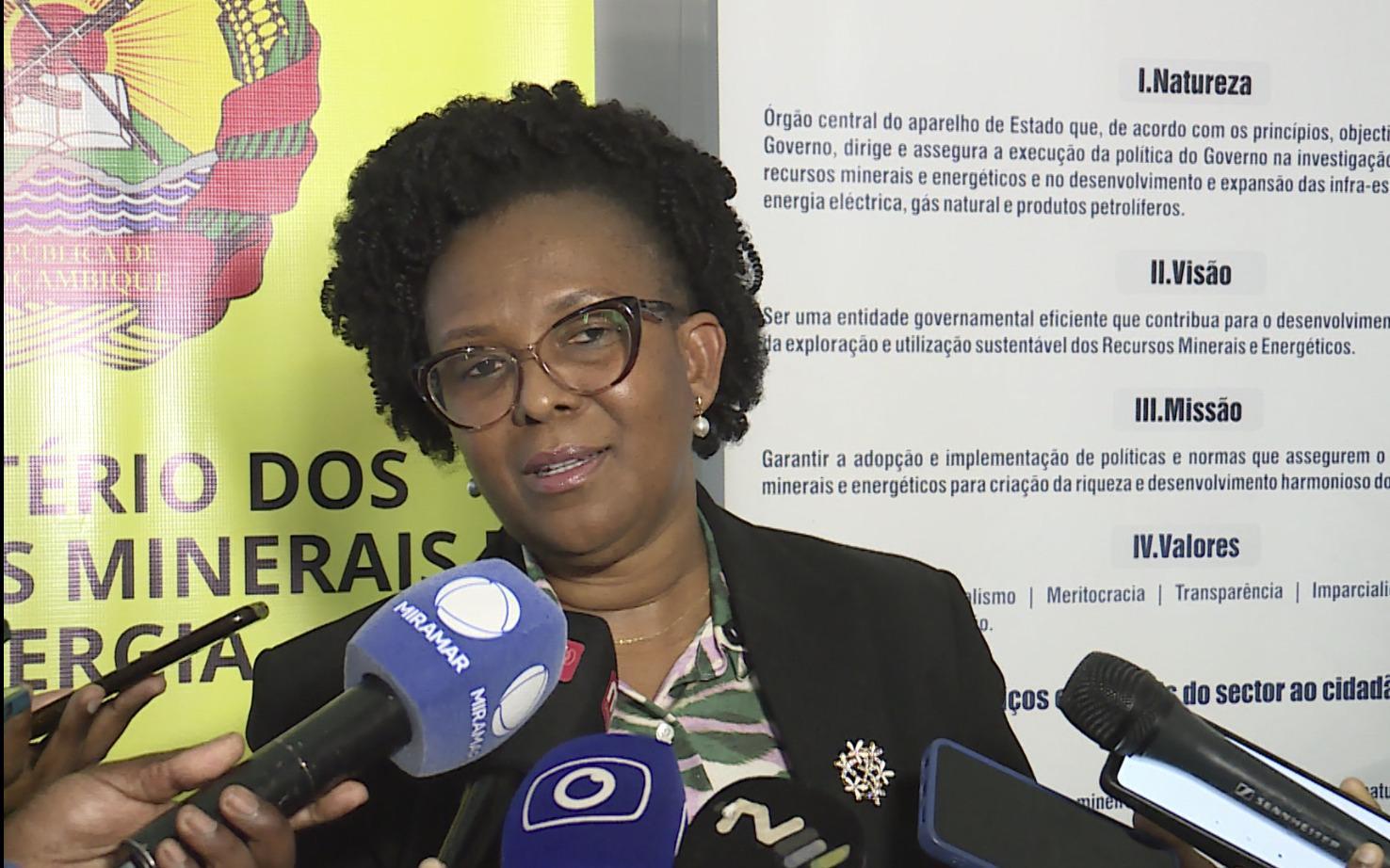
According to the National Director of Hydrocarbons and Fuels, Felisbela Nhate, speaking to reporters, in the presence of fuel importers and distributors, the country is facing a “shock” in petroleum product prices, with a direct impact on the import account and, consequently, on the national economy.
She explained that the total cost of fuel imports for April was approximately 230 million US dollars, more than 80 million dollars more than in March.
“We are registering a very significant increase in the fuel import bill”, Nhate said.
The import price of petrol rose from around 700 dollars per tonne between January and February to 1,037 dollars in April. For diesel the price rise was even sharper, jumping from 730 to 1,480 dollars per tonne in the same period.
“Diesel is the fuel that is used in logistics and transport and has a multiplier effect in all other sectors”, she said. “This increase will create strong pressure on domestic prices”.
Given this scenario, the Government admits the possibility of increasing domestic fuel prices.
“We are already carrying out an exercise that will naturally culminate in the need to make some adjustments, but always accompanied by measures to mitigate the impacts that the Government will have to apply,” Nhate said.
She explained that Mozambique is far from isolated as several other Southern African countries have already increased fuel prices, including Malawi, Zimbabwe, Zambia, Tanzania and South Africa.
Despite the adverse context, the Government has guaranteed that it is preparing mitigation measures to reduce the impact on consumers and the economy.
Nhate called on the public to stay calm, because “any adjustment still needs analysis by the government and the regulator, with a view to protecting the end consumer.”
“There is no need to panic, we are simply raising public awareness about what is happening. Mozambique, as an importer, is inevitably exposed to fluctuations in the international market,” she said.
In recent years, Mozambique has faced various challenges related to fuel imports, heavily influenced by global market fluctuations and geopolitical tensions. The country’s reliance on imported refined fuel makes it vulnerable to price shocks, which can significantly affect the national economy and consumer prices. As neighboring Southern African countries have also experienced similar increases, Mozambique’s situation reflects broader regional economic pressures and the need for strategic responses to mitigate impacts on its citizens.