What You Need to Know
The President of Mozambique, Daniel Chapo, has warned citizens of potential fuel price increases in the coming months if the ongoing conflict in the Middle East persists. He reassured the public that the country has sufficient fuel reserves for at least a month, despite current pressures on supply chains. The government is actively managing fuel imports and distribution to mitigate shortages.
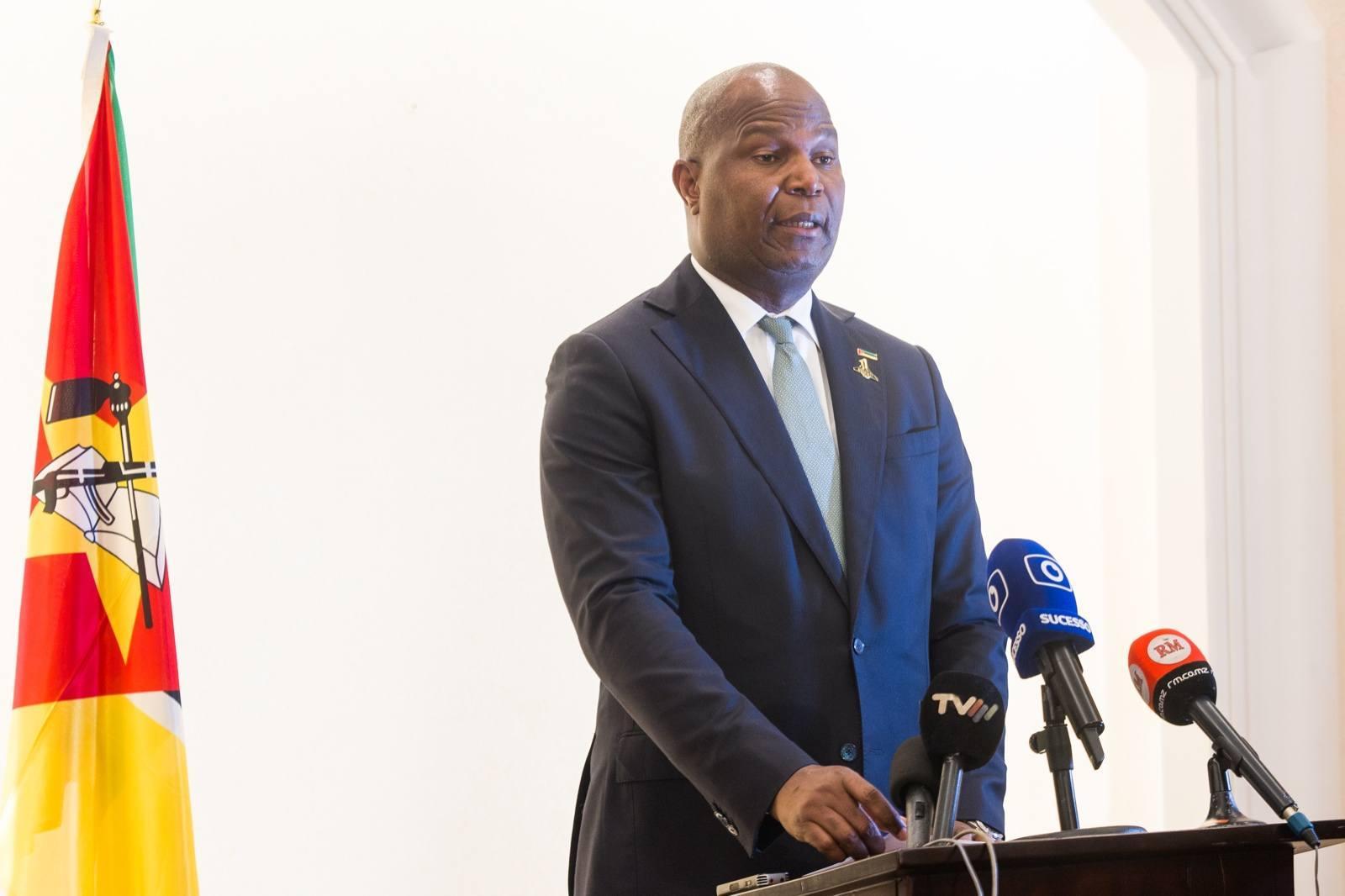
Africa-Press – Mozambique. The Mozambican President warned yesterday of a rise in fuel prices in the coming months in the country if the war in the Middle East continues, but reassured citizens by guaranteeing reserves to last at least one month.
“I wanted to reassure that, perhaps, around the end of April and beginning of May, according to the calculations we are making now, we will start to see these prices [increase], if the war continues. (…) We still have a period of one month, one and a half months to hold on,” said Daniel Chapo.
According to information shared this Sunday by the Presidency of Mozambique, the Head of State was responding to questions from journalists during a review of his participation in the 11th Summit of the Organisation of African, Caribbean and Pacific States (OACPS), in Malabo, the capital of Equatorial Guinea.
Daniel Chapo said that “there is no reason for alarm” in Mozambique in the face of the fuel crisis in several countries, aggravated by the conflict in the Middle East, pointing to the lack of ports and storage facilities as the reason for price increases in some regions.
“This crisis [of fuel] is really happening in many countries around the world and also on our continent, because they do not have ports, they are inland, and due to the lack of ports, they also do not have enough storage to be able to have fuel at the current price,” Chapo stressed.
The Mozambican capital and Maputo province have registered queues at fuel stations, with long lines of motorists trying to refuel.
On Friday, the Mozambican Government denied a fuel crisis in the country, stating that the normal process of stock replenishment is underway, which raises the availability of petrol to more than 26 days and diesel to 17 days.
In a statement, the National Directorate of Hydrocarbons and Fuels clarified that the country has secured a fuel supply contract until May 2027, with fortnightly imports proceeding normally, “without any disruption”.
Around 80% of Mozambique’s fuel imports from the Middle East transit through the Strait of Hormuz, which has been closed by Iran due to the conflict in the region.
In the statement, the Government indicated that the purchase of large quantities of fuel in the face of the alleged crisis is causing “some pressure on existing stocks” at service stations, “bringing constraints along the distribution chain”, and therefore called for calm and recommended avoiding domestic stockpiling that contributes to this pressure.
The Mozambican Association of Petroleum Companies (Amepetrol) also assured on Friday, in a statement, that “there is no imminent fuel shortage” in the country, confirming that the supply is being managed continuously and in coordination among the stakeholders.
The association added that, to reduce pressure at fuel stations, “the operation of ocean terminals was authorised for Saturday, 28 March, allowing an increase in product dispatch to the retail market”.
Amepetrol requested that normal consumption be maintained, avoiding behaviours that could generate “unnecessary constraints” to the distribution network.
The Secretary of State for the Treasury and Budget, Amílcar Tivane, guaranteed on the 10th that Mozambique had 75,000 tonnes of fuel, an amount considered sufficient until the beginning of May, acquired at prices prior to the start of the conflict in the Middle East.
Amílcar Tivane also stated at the time that Mozambique also has around 85,000 tonnes of fuel in the ocean terminals, which can be used if necessary.
Mozambique’s economy heavily relies on fuel imports, with around 80% coming from the Middle East. The ongoing conflict in the region has raised concerns about supply disruptions, prompting the government to assure citizens of adequate reserves. Historically, fuel crises in Mozambique have been exacerbated by logistical challenges, including limited storage and port facilities, impacting distribution and pricing. The government has implemented measures to stabilize the market and prevent panic buying among consumers.