ELIJAH SONGOK
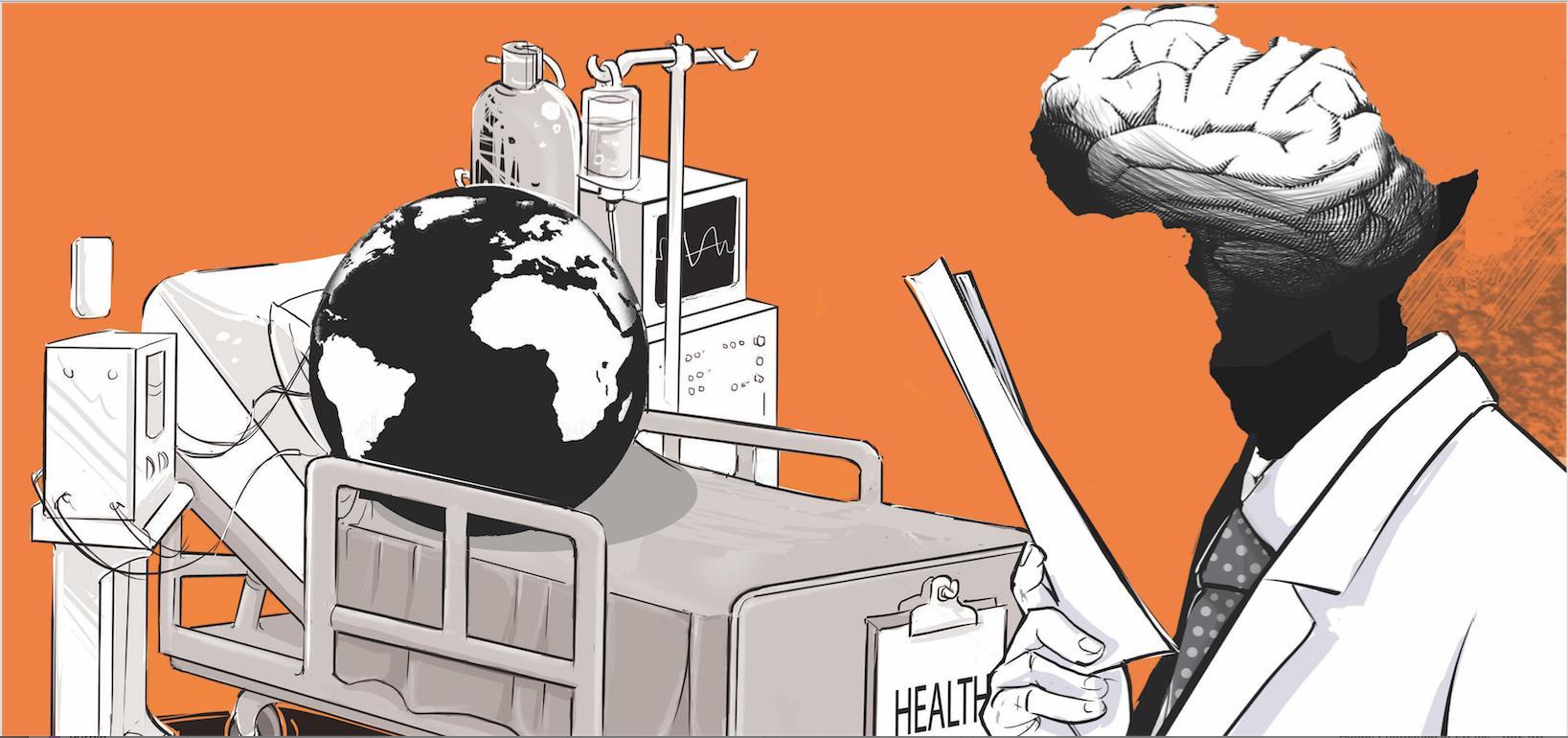
Africa-Press – Mozambique. The Leadership for Innovation and Excellence in Accelerating Women’s Health Research (LEA-WH) Programme, which we have recently launched, is not only a high point in the long history of Kemri’s pioneering work in capacity building for Africa in medical research but also a giant step forward for women’s health in Africa.
The decision by the Bill and Melinda Gates Foundation to award Kemri the opportunity to host the programme was the result of a very rigorous and highly competitive process. Kemri was in competition with some of the leading universities in Africa, specifically those with a strong focus on health-related innovations and advanced biomedical research.
Let me now outline the key components that make the LEA-WH programme unique:
First, I would emphasise that this programme may be based in Kenya, but it is not just a national programme. It is a continental programme, with the fellowships open to applicants from all over Africa. It is also a global programme as the faculty, mentors and innovation advisers will be selected from around the world. This will give the mentees access to top-notch global mentors.
Then, what we aim to do in this programme is to engage in a dedicated African focus on women’s health issues that have thus far been under-resourced and under-researched. We intend to change this situation by building the capacity of African researchers and innovators working on women’s health and empowering them to address all the unmet challenges relating to women’s health.
In the process, we aim to create an ecosystem where researchers, product developers, innovators and entrepreneurs work together to solve these long-neglected women’s health problems, specifically in Africa.
But it is easy enough to paint an impressive picture of the broad goals of such a programme.
Kenyans, as well as other Africans, may well ask, ‘How exactly do you intend to do this and what would success look like at the end of this five-year programme?’
To this, our answer is that we are committing to ambitious goals for the life of the project, including such specific projected outcomes as five to 10 health products patented; five to 10 companies started to address women’s health issues; 20 to 50 per cent of the selected fellows receiving funding for research and product development to respond to prioritised concerns in women’s health; and raising $3 to $5 million (Sh378 to Sh630 million) in catalytic funding for these efforts.
Kenya’s current dream is to follow the economic footpath of the Asian tigers, including Singapore, South Korea and Malaysia, among others. Through the establishment of start-ups and spin-off companies, Kemri intends to leverage the LEA-WH programme as one key pilot on the contribution of Kenya’s R&D to the Singapore roadmap.
In this way, we intend to harness outstanding expertise from Africa and the rest of the world to come together to create and deliver this transformative fellowship that will make a positive difference to women’s health and foster a culture of mentorship amongst researchers and innovators in women’s health in Africa.
I would, however, like to emphasise that the practical benefits of LEA-WH will not necessarily be manifest in the immediate future. This is a complex and long-term project, the full benefits of which will only be apparent in years to come.
It is an effort based on global best practices and aimed at coming up with empirical solutions to some of the most crucial challenges in the field of women’s health in Africa and at developing a replicable model for scale-up.
But all of us involved are convinced that we owe it to future generations of women in Kenya and Africa that they should not continue to face the same health challenges that have troubled previous generations of African women.
Without good health, no person can fulfil their full potential.
The LEA-WH programme is hence not only an effort to ensure that Kenyan and African women are not held back by health challenges that can be effectively tackled by advanced biomedical research and world-class innovations, but also a key driver of transformation for Kenya’s and Africa’s economic development.
Source: The Star