What You Need to Know
The World Bank’s recent evaluation of the Conecta Negócios project in Cabo Delgado reveals significant impacts on the local economy. The initiative, funded with $15 million, aims to strengthen SMEs by integrating them into larger supply chains, enhancing productivity, and creating jobs in the region.
Africa-Press – Mozambique. A World Bank monitoring and evaluation mission believes that the project known as “Conecta Negócios” is producing concrete impacts in the northern Mozambican province of Cabo Delgado by strengthening the private sector and creating jobs.
This project, which is coordinated by the Mozambican Finance Ministry, is budgeted at 15 million US dollars disbursed by the World Bank.
The initiative is aimed at training, funding and preparing small and medium-sized enterprises (SMEs) in order to integrate them into the supply chains of large companies in Mozambique, with a focus on the Nacala Logistics Corridor, in the northern province of Nampula.
During three days of intensive work, a mission from the World Bank held meetings with development agencies, notably the Northern Integrated Development Agency (ADIN), as well as with the beneficiary SMEs.
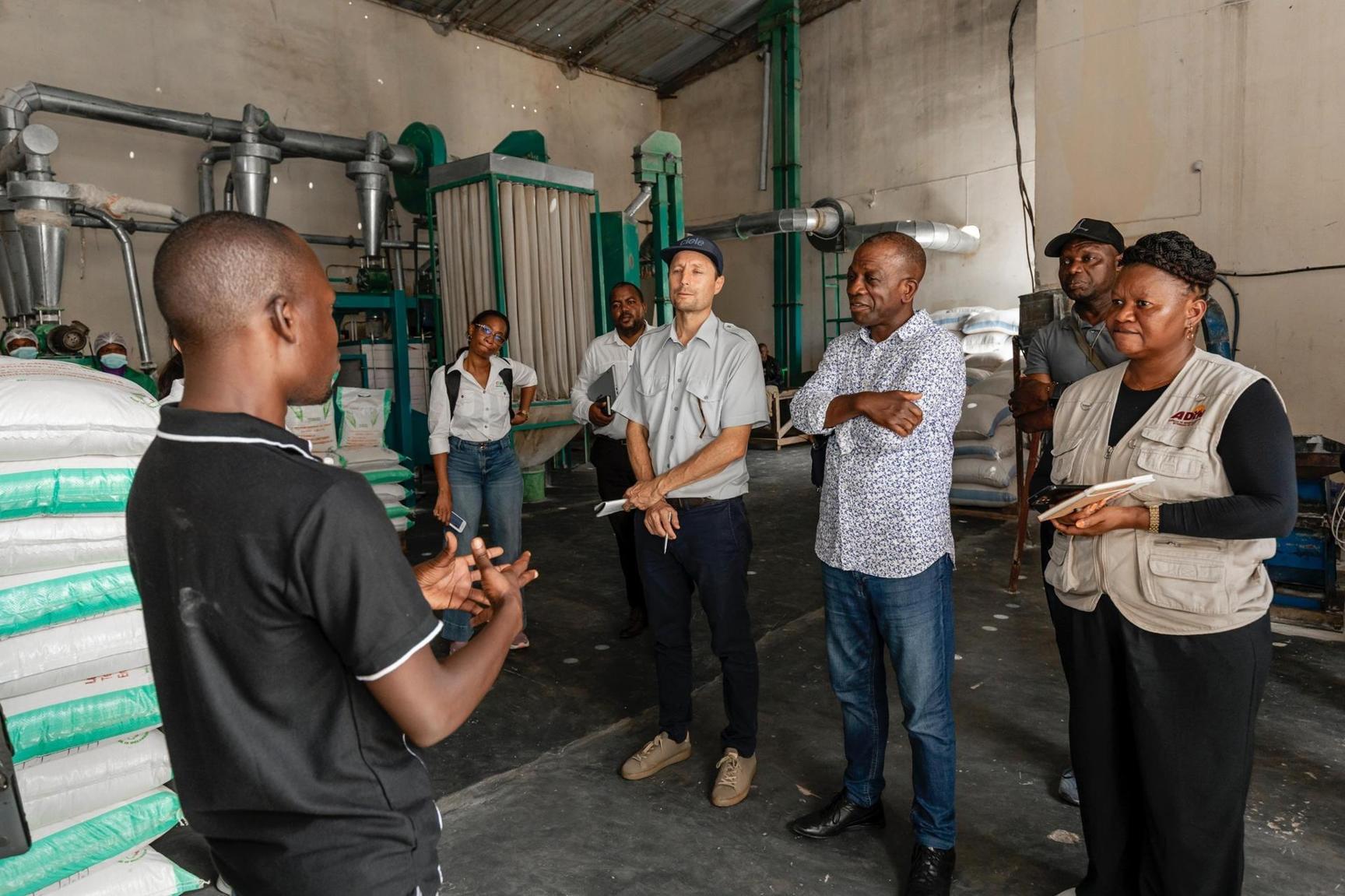
The agenda included monitoring visits to projects in the districts of Chiúre and Pemba, where significant progress was observed in terms of productivity, competitiveness, and integration into the value chains associated with the natural gas megaprojects operating in the Rovuma basin.
According to Laurent Corthay, head of the World Bank mission, the robust performance of the supported companies is directly linked to the quality of business leadership in identifying market opportunities.
“We saw very strong performance from the companies visited. The key element is leadership, entrepreneurs with a clear vision, consistent business plans, and the ability to meet market demand”, he said.
In addition to financing, the World Bank has invested heavily in the technical and training capacity of companies. By April 2026, more than 7,000 micro-enterprises and approximately 700 SMEs had completed training programmes.
The first round of grants is also planned for 300 companies out of a total of 500, as well as technical support for 61 SMEs for ISO 9001 international certification, strengthening their integration into more demanding markets.
Among the success stories observed is Madopera Comercial, based in Chiúre district, which received a grant of 250,000 dollars. The company significantly expanded its cornmeal and animal feed production capacity from 10 to 50 tonnes per day.
Currently, it is positioned as a relevant supplier for mega-projects, commercial chains, and health units in the province. “With the funds we received, we are building warehouses and investing in equipment to increase production and expand our business,” assured the company’s CEO, Conde Madopera.
Another noteworthy project is that of MozCon, the only company in the region dedicated to the management and recycling of hazardous solid waste from megaprojects.
With funding of 400,000 dollars, the company is implementing an incineration unit and an innovative pyrolysis plant capable of transforming plastic waste into fuel.
This investment not only responds to the environmental demands of the oil and gas industry but also contributes to pollution reduction and job creation, already employing over 100 workers.
Addressing the projects, the head of ADIN’s Offices in Pemba, Nocif Magaia, said that, overall, the projects financed by the World Bank in Cabo Delgado reinforce the role of the private sector as an engine of development.
“These companies are creating jobs and bringing sustainable solutions to the province. We reaffirm our commitment to continue seeking financial solutions to support the region’s development, focusing on economic stability, social inclusion, and job opportunities”, he said.
Cabo Delgado, a province in northern Mozambique, has faced economic challenges exacerbated by conflict and instability. The World Bank has been actively involved in supporting development initiatives aimed at revitalizing the local economy and fostering private sector growth. The Conecta Negócios project is part of broader efforts to empower SMEs and enhance their role in the economy, particularly in areas linked to natural resource extraction and logistics corridors.
Historically, Cabo Delgado has been rich in natural resources, including natural gas, which presents both opportunities and challenges for local development. The focus on integrating SMEs into the supply chains of larger firms