Africa-Press – Namibia. Auleria Wakudumo
The Ministry of Urban and Rural Development has been allocated a total budget of N$2 billion for the 2026/2027 financial year.
The government has placed strong emphasis on housing delivery, formalisation of informal settlements and rural development programmes.
The minister of urban and rural development James Sankwasa said this in the 2026/27 budget speech seen by this publication.
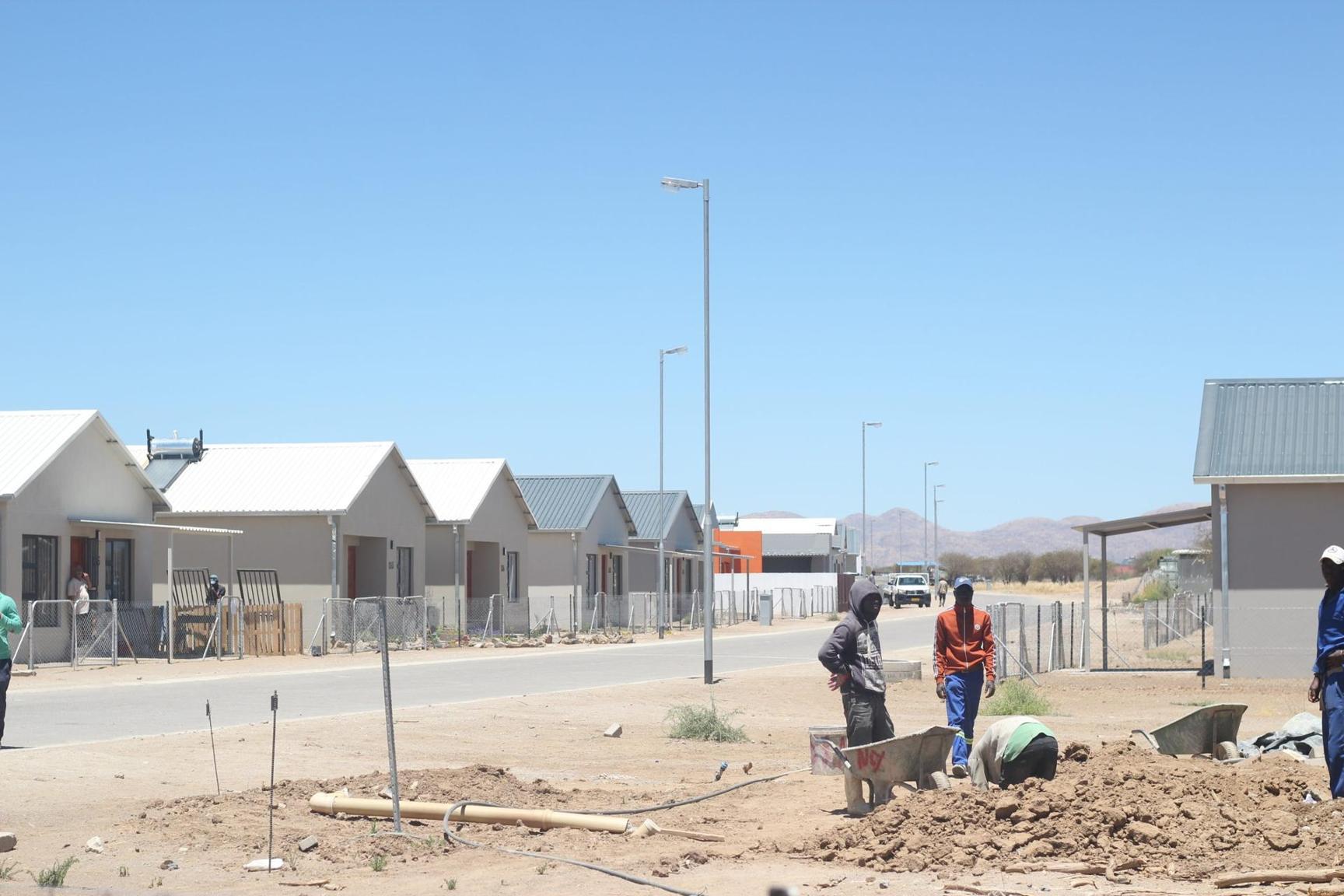
A significant highlight of the budget is an additional N$1.5 billion allocated from outside the State revenue fund through the National Housing Enterprise (NHE), aimed at accelerating the construction of houses nationwide and addressing Namibia’s growing housing backlog.
“The housing allocation is expected to significantly boost the government’s efforts to deliver affordable housing, particularly for low- and ultra-low-income households,” the minister stated.
Sankwasa said the funding will help fast-track housing projects that have been constrained by fiscal limitations, while also strengthening public-private and community-based housing partnerships.
He stated that the funds will complement ongoing programmes involving the NHE, Shack Dwellers Federation of Namibia (SDFN), and other development partners engaged in mass housing delivery across all 14 regions.
Informal settlements
The ministry has reaffirmed that the formalisation of informal settlements remains a key driver of urban development and poverty reduction. “A number of settlements in major towns, including Windhoek, Rundu, Walvis Bay, Oshakati, Keetmanshoop, Swakopmund and
Katima Mulilo, are currently being upgraded through land servicing, township establishment, and infrastructure provision,” the minister assured.
Sankwasa emphasised that formalisation is not only about infrastructure
development but also about restoring dignity, improving living conditions, and unlocking economic value for residents through secure land tenure.
He, however, cautioned that progress is being slowed by ageing municipal infrastructure, particularly sewer systems, which he said require urgent national attention and investment.
Major constraints
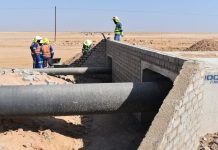
The ministry has raised concern over deteriorating sewer infrastructure in most local authorities, estimating that about 80% of systems are outdated and unable to support new housing developments.
An estimated N$2.5 billion is required to upgrade bulk sewer and water treatment infrastructure across affected towns, including Windhoek, Rundu, Oshakati, Ondangwa, Walvis Bay and others.
The government warned that without urgent infrastructure upgrades, the pace of housing delivery and settlement upgrading will remain constrained.
Rural development
Rural development also features prominently in the budget, with the government committing N$123 million to support income-generating activities, food security programmes, and rural development centres (RDCs).
The ministry reported that more than 2 500 people benefited from rural economic initiatives, while hundreds of temporary jobs were created through community projects and skills development programmes.
Key interventions include support for poultry and horticulture projects, youth enterprises, and micro-income initiatives under regional development plans.
Sankwasa assured that thegovernment will continue strengthening decentralisation efforts, with functions in health and agriculture already transferred to regional councils.
“This approach is intended to bring services closer to communities, improve efficiency, and enhance local decision-making,” he said. He revealed that capacity building for regional and local authority leaders will also continue, alongside legislative reforms targeting regional councils, local authorities, and traditional governance structures.
Additionally, N$1.2 billion is allocated to operational expenditure and N$744 million is allocated to development programmes.
Key programme allocations include N$1.1 billion planned for local authority and regional council coordination, N$588 million for housing, infrastructure and planning, N$123 million planned for rural development, N$107 million for policy coordination and support and N$14 million for public participation and decentralisation support.
Sankwasa said despite reduced allocations compared to the previous financial year, the government remains committed to delivering housing, improving infrastructure, and strengthening local governance systems.
The ministry’s budget allocation has been reduced from N$2.6 billion in the 2025/2026 financial year to N$2 billion in the 2026/2027 financial year.
“This budget is a commitment to restoring dignity, expanding opportunity, and building inclusive communities,” he said.
For More News And Analysis About Namibia Follow Africa-Press