Africa-Press – Namibia. In her 2026 State of the Nation Address, President Netumbo Nandi-Ndaitwah reaffirmed the centrality of value addition to Namibia’s economic future.
The livestock sector:
• Supports around 70% of livelihoods
• Sustains over 57,000 jobs across the value chain
• Contributes up to 6.2% of GDP when processing is included
This is not a marginal sector; it is a national economic backbone.
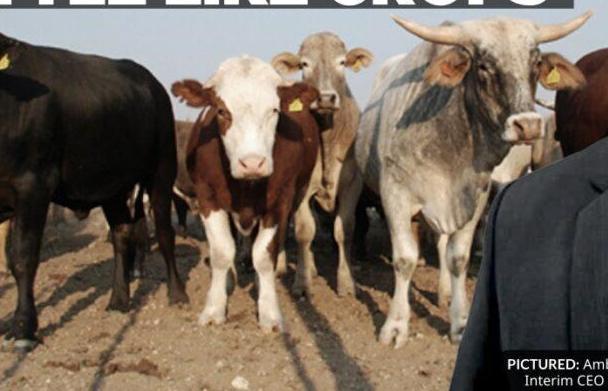
Yet, despite this, Namibia continues to export significant volumes of cattle on the hoof. Each animal exported live represents lost domestic processing, lost jobs, and lost foreign exchange.
We are exporting value we should be capturing at home.
As a country, Namibia has already proven that smart agricultural policy can shape markets, protect producers, and build local industry. The model exists. It works. And it is time we apply it where it matters most, the red meat sector.
Through the Namibia Agronomic Board (NAB), Namibia has successfully implemented a simple but powerful principle: when local supply is sufficient, imports are restricted to protect domestic production and value addition.
This approach has strengthened horticulture, supported farmers, and encouraged agro-processing. It is not ideological protectionism; it is pragmatic economic policy.
The question now is unavoidable: Why do we not apply the same logic to cattle?
The Policy Contradiction
Namibia protects its vegetable farmers when local supply is adequate but allows its cattle to leave the country unprocessed, even when local abattoirs have capacity.
This is not a market failure. It is a policy gap.
If we are serious about “Growth at Home,” then red meat must move from production-led thinking to value-chain discipline.
From NAB to Red Meat: A Practical Policy Roadmap
Namibia does not need to reinvent policy; it needs to adapt what already works.
A Livestock Value Retention Scheme could provide that bridge.
1. Threshold-Based Export Controls
Introduce a clear, rules-based system:
• When local abattoirs have unused capacity → limit live exports
• When genuine surplus exists → allow controlled exports
This mirrors the NAB approach: protect local value when it is at risk.
2. A Minimum Value-Retention Threshold
A practical extension of this approach would be the introduction of a minimum value-retention threshold for livestock exports.
Under such a framework, cattle below a defined live weight, representing unfinished animals with significant remaining value, would not be eligible for export. These are precisely the animals that should be feedlotted, finished, and processed locally, where Namibia captures the full economic benefit.
Rather than a blunt restriction, a tiered system could be introduced:
• Lower-weight animals: retained for domestic value addition
• Transitional weights: exported under controlled conditions or levies
• Fully finished cattle: eligible for export
In simple terms: Namibia should not export cattle before it exports value.
3. Seasonal Flexibility
Livestock markets are not static. Policy must reflect that.
• Allow exports during drought-induced offloading
• Restrict exports when local processors are under-supplied
This ensures the system is responsive, not rigid.
4. Incentivise Local Slaughter
Restrictions alone are not enough. Farmers respond to price signals.
Policy must include:
• Competitive pricing frameworks
• Transport support into formal markets
• Targeted support for communal producers
The objective is simple: Make local value addition the most attractive economic option.
5. Export Levy for Industry Development
Where live exports do occur, Namibia should still capture value.
A modest levy on live exports could fund:
• Feedlot expansion
• Cold chain infrastructure
• Northern communal area integration
This ensures that even exported cattle contribute to domestic industry growth.
6. Align with Biosecurity and Market Access
The SONA rightly emphasised the importance of protecting Namibia’s animal health status, including measures against Foot and Mouth Disease.
A value retention approach strengthens this position:
• Better traceability
• Stronger quality control
• Enhanced export credibility
This is not just agricultural policy; it is trade diplomacy.
Red Meat as Economic Diplomacy
Namibia’s beef is globally respected because of:
• Its disease-free status
• Its traceability systems
• Its processing standards
But exporting cattle on the hoof undermines this positioning. It shifts Namibia from a premium exporter of processed beef to a supplier of raw livestock.
No country builds a strong export brand by exporting its value chain.
A Moment for Policy Coherence
The direction from government is clear: value addition, industrialisation, and economic resilience.
The NAB has shown that Namibia can:
• Use policy to shape markets
• Protect domestic production
• Build local industry
The red meat sector now requires the same clarity.
This is not about banning exports. It is about disciplining them in the national interest.
Conclusion: From Cattle to Strategy
Namibia must decide whether cattle are:
• A commodity to be exported at the earliest opportunity, or
• A strategic asset to be processed, branded, and leveraged globally
The difference is policy.
If vegetables deserve protection when Namibia can supply itself, then surely cattle, our most strategic agricultural asset, deserve the same level of policy intelligence.
In that context, Namibia has already shown that smart borders can build strong industries. The next step is clear: treat cattle like crops and turn red meat into a pillar of economic diplomacy.
For More News And Analysis About Namibia Follow Africa-Press