Africa-Press – Namibia. NAMIBIA and Russia are currently in talks that could see the Vladimir Putin-headed nation supplementing the Land of the Brave’s fuel supplies.
This comes amid a shortage of diesel being experienced in Namibia and tightening sanctions by Western nations opposed to the ongoing conflict initiated by Russia on 24 February this year.
Among the main impacts of the ongoing bloodshed in Ukraine is devastating food and fuel price increases across the world.
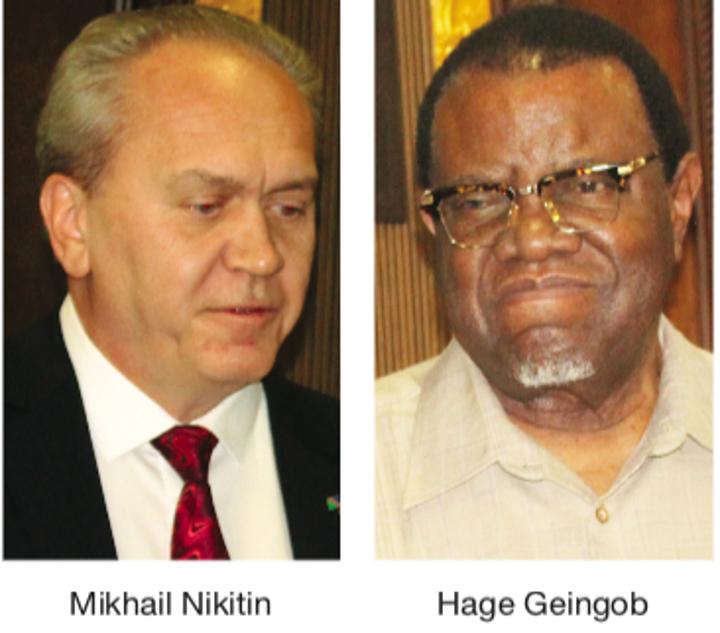
Russian chargé d’affaires in Namibia Mikhail Nikitin, speaking at a State House meeting with president Hage Geingob yesterday, said he had a meeting with the mines and energy executive director Simeon Negumbo a month ago where this offer was put on the table.
“I saw there are possibilities for our biggest oil companies like Rosneft and LukOil to come on your market and to make business here together with your local businesses, including supply of oil (fuel),” he said.
This offer is currently with Moscow for the final decision, he added.
This comes as oil companies countrywide are experiencing low stock, especially a shortage of diesel, which causes them to ration supply.
However, the National Petroleum Corporation of Namibia (Namcor) told Namibians not to hoard fuel, assuring the nation it had enough stock.
“We are currently supplying our customers. Our replenishment vessel is on the water and will be here on 10 November,” Namcor said.
The Bank of Namibia stated that the geopolitical conflict between Russia and Ukraine impacted Namibia’s imports of food, fuel and fertiliser during the first three months of 2022.
As a result, higher commodity prices, especially for fuel, food and fertilisers contributed to the deterioration in the trade balance as well as higher inflation during the first quarter of 2022.
Despite the total trade with Russia and Ukraine being low, imports of cereals and fertilisers from Russia had a significant share of Namibia’s total cereal and fertiliser imports.
The ongoing conflict continues to be detrimental to the global supply of wheat and sunflower oil, which imposes additional pressure on food security. In an effort to punish Russia and stop the conflict, Western countries and their allies have placed 12 000 restrictions on the country and its people, Nikitin said.
The restrictions include asset freezes and travel restrictions on 1 236 individuals and 115 entities, as well as sanctions targeting their financial, trade, energy, transport, technology and defence sectors.
OIL AND GAS SANCTIONS
The European Union (EU) will ban imports of Russian oil brought in by sea from December. The union will also ban all imports of refined oil products from Russia in February 2023. The United States is banning all Russian oil and gas imports, and the United Kingdom will phase out Russian oil by the end of 2022.
It no longer imports Russian gas.
Germany has frozen plans for the opening of the Nordstream 2 gas pipeline from Russia, and the EU has stopped importing Russian coal.
From December, the EU and G7 countries plan to cap the price of Russian oil.
Importers of Russian crude oil have been told Western insurers would not cover oil shipments if they exceed the cap. The EU has not imposed sanctions on Russian gas, because it relies on this for about 40% of its gas needs.
Russia also recently announced that it will offer poor African countries 500 000 tonnes of grain free of charge in the next four months.
VOTE ABSTENTION
Meanwhile, Geingob expressed gratitude to Nikitin, saying that is why Namibia abstained from the United Nations voting.
The United Nations General Assembly took a vote on Russia’s war against Ukraine in an emergency session on 2 March, an overwhelming 141 out of 193 member states supported the resolution calling on Russia to withdraw from Ukraine.
Namibia with 15 other African countries abstained, while nine did not show up.
“We are very grateful, that is why we abstained although we were put under pressure to vote against you,” Geingob said.
The president reiterated that Namibia was not consulted.
“We cannot go on like this. Namibia is a small country, but we were not consulted by any other people,” he said.
There have been several rounds of peace talks to stop Russia’s 2022 invasion of Ukraine and end the Russo-Ukrainian War in an armistice. The first meeting was held on 28 February in Belarus but it concluded without a result, with delegations from both sides returning to their capitals for consultations.
Geingob said he was briefed about Russia’s special military operation into Ukraine by former president and the chairperson of United Russia, the ruling party, Dmitry Medvedev.
“I got a call from Moscow… I got that call. I did not get a call from anybody else. That is why we are saying thank you very much for what you have done for us,” Geingob said.
Some impacts of Russia’s invasion of Ukraine: The United Nations has confirmed 5 587 civilian deaths, including 149 girls, 175 boys, and 38 children.
Ukraine has lost 9 000 military members while their military has reportedly claimed or wounded 45 200 Russian military members.
At least 6,2 million people have been displaced internally, and many more need humanitarian support.
Ukraine requires US$1,1 billion to meet escalating humanitarian needs as nearly 500 000 Ukrainian children have been integrated into schools in European countries.
This comes amid a shortage of diesel being experienced in Namibia and tightening sanctions by Western nations opposed to the ongoing conflict initiated by Russia on 24 February this year.
Among the main impacts of the ongoing bloodshed in Ukraine is devastating food and fuel price increases across the world.
Russian chargé d’affaires in Namibia Mikhail Nikitin, speaking at a State House meeting with president Hage Geingob yesterday, said he had a meeting with the mines and energy executive director Simeon Negumbo a month ago where this offer was put on the table.
“I saw there are possibilities for our biggest oil companies like Rosneft and LukOil to come on your market and to make business here together with your local businesses, including supply of oil (fuel),” he said.
This offer is currently with Moscow for the final decision, he added.
This comes as oil companies countrywide are experiencing low stock, especially a shortage of diesel, which causes them to ration supply.
However, the National Petroleum Corporation of Namibia (Namcor) told Namibians not to hoard fuel, assuring the nation it had enough stock.
“We are currently supplying our customers. Our replenishment vessel is on the water and will be here on 10 November,” Namcor said.
The Bank of Namibia stated that the geopolitical conflict between Russia and Ukraine impacted Namibia’s imports of food, fuel and fertiliser during the first three months of 2022.
As a result, higher commodity prices, especially for fuel, food and fertilisers contributed to the deterioration in the trade balance as well as higher inflation during the first quarter of 2022.
Despite the total trade with Russia and Ukraine being low, imports of cereals and fertilisers from Russia had a significant share of Namibia’s total cereal and fertiliser imports.
The ongoing conflict continues to be detrimental to the global supply of wheat and sunflower oil, which imposes additional pressure on food security. In an effort to punish Russia and stop the conflict, Western countries and their allies have placed 12 000 restrictions on the country and its people, Nikitin said.
The restrictions include asset freezes and travel restrictions on 1 236 individuals and 115 entities, as well as sanctions targeting their financial, trade, energy, transport, technology and defence sectors.
OIL AND GAS SANCTIONS
The European Union (EU) will ban imports of Russian oil brought in by sea from December. The union will also ban all imports of refined oil products from Russia in February 2023. The United States is banning all Russian oil and gas imports, and the United Kingdom will phase out Russian oil by the end of 2022.
It no longer imports Russian gas.
Germany has frozen plans for the opening of the Nordstream 2 gas pipeline from Russia, and the EU has stopped importing Russian coal.
From December, the EU and G7 countries plan to cap the price of Russian oil.
Importers of Russian crude oil have been told Western insurers would not cover oil shipments if they exceed the cap. The EU has not imposed sanctions on Russian gas, because it relies on this for about 40% of its gas needs.
Russia also recently announced that it will offer poor African countries 500 000 tonnes of grain free of charge in the next four months.
VOTE ABSTENTION
Meanwhile, Geingob expressed gratitude to Nikitin, saying that is why Namibia abstained from the United Nations voting.
The United Nations General Assembly took a vote on Russia’s war against Ukraine in an emergency session on 2 March, an overwhelming 141 out of 193 member states supported the resolution calling on Russia to withdraw from Ukraine.
Namibia with 15 other African countries abstained, while nine did not show up.
“We are very grateful, that is why we abstained although we were put under pressure to vote against you,” Geingob said.
The president reiterated that Namibia was not consulted.
“We cannot go on like this. Namibia is a small country, but we were not consulted by any other people,” he said.
There have been several rounds of peace talks to stop Russia’s 2022 invasion of Ukraine and end the Russo-Ukrainian War in an armistice. The first meeting was held on 28 February in Belarus but it concluded without a result, with delegations from both sides returning to their capitals for consultations.
Geingob said he was briefed about Russia’s special military operation into Ukraine by former president and the chairperson of United Russia, the ruling party, Dmitry Medvedev.
“I got a call from Moscow… I got that call. I did not get a call from anybody else. That is why we are saying thank you very much for what you have done for us,” Geingob said.
Some impacts of Russia’s invasion of Ukraine: The United Nations has confirmed 5 587 civilian deaths, including 149 girls, 175 boys, and 38 children.
Ukraine has lost 9 000 military members while their military has reportedly claimed or wounded 45 200 Russian military members.
At least 6,2 million people have been displaced internally, and many more need humanitarian support.
Ukraine requires US$1,1 billion to meet escalating humanitarian needs as nearly 500 000 Ukrainian children have been integrated into schools in European countries.
For More News And Analysis About Namibia Follow Africa-Press