Africa-Press – Namibia. AFTER A PRESS engagement on the state of coalition politics at the City of Windhoek, I rushed home to collect my luggage on my way to Hosea Kutako International Airport.
I was headed to Victoria Falls for the Young African Activists Network meeting. Sankara, my four-year-old son, decided he was coming along with me to the airport. As expected, we would fight over my phone. As we passed the Finkenstein residential estate, I remembered that I needed to check if the University of Namibia Covid-19 lab had sent my Covid result – it is required before boarding flights. After being tested in the morning, I was informed that my results would be out at mid-day and would be emailed to me. Indeed, there are things our university gets right. Before I could check my mailbox, only after Sankara surrendered my phone, I came across an online article titled ‘Namport cancels city official’s appointment’. We will return to this later.
We were sworn in as councillors for a five-year term on 2 December 2020. As we left our coalition meetings before the swearing-in, Fillemon Hambuda, the city’s former strategic executive for economic development – who was set to be sworn in as a councillor, being number one on the Independent Patriots for Change (IPC) list – created the impression that former councillors might allegedly get up to no good, and that we needed to act with urgency from day one. If only we had known, we would later realise.
True to his resolve as the newly elected chairperson of the management committee (MC), a mere two days after we were sworn in, on 4 December 2020, Hambuda wrote to the acting chief executive officer (CEO), George Mayumbelo, and directed him to urgently convene a management committee meeting. It was to discuss two items – the appointment of an engineer in the electricity department and the appointment of the deputy head and senior superintendent at the City Police. Mayumbelo did as instructed by the MC chair, Mr Fly, as they call him.
This meeting took place with Hambuda and Mayumbelo dominating the discussions. In our defence, we were new, having been in office for only two days. But for Mr Fly, all his machinery was in place; he had the templates. Personnel matters had not yet been introduced to us. Mr Fly flew with the discussions until a resolution was passed: The two matters must be investigated through an internal audit.
Fellow IPC councillors Ndeshihafela Larandja and Desiree Davids were co-opted to the investigation team. Meeting concluded, Mr Fly announced. From comments he made after the meeting, it appeared as if it was Mayumbelo he wanted to put on the spot. Mr Fly comfortably retreated for Christmas to return in January ready to deal with the potential fallout and consequences of the investigation.
It is important to understand factional corporate politics at the City of Windhoek. It has turned the city into a toxic working environment. Those who might disagree should obtain a copy of the results of the city’s culture survey.
With the departure of Niilo Taapopi as CEO in 2014, the city experienced a period similar to the one we are now going through – bickering over a successor and limping from one acting CEO to another. This instability contributed to the centre not holding. Management degenerated into opposing factions that at times morphed around tribal identities.
It would seem that when he arrived, former CEO Robert Kahimise landed in the wings of one faction. The opposing faction rebelled against him. To solve this impasse, councillors and management scandalously ended up at State House seeking divine intervention from president Hage Geingob. Hambuda and Mayumbelo, as senior executives, seemingly belonged to opposing factions.
UNINTENDED CONSEQUENCES The result of the investigation subsequently arrived. Mayumbelo emerged unscathed. I recall the look on the chairman’s face when the investigation results were presented. It was poignant. The investigation made findings on someone seen as closer to Mr Fly, O’Brien Hekandjo, the strategic executive for electricity.
The recommendations were that disciplinary measures be taken. Hekandjo was eventually charged. He wasn’t initially in the sights of the 4 December 2020 letter. Whether related or unrelated, Hekandjo got an offer to head the operations of the Namibian Ports Authority (Namport). He eventually resigned.
Shortly before Hekandjo’s last days on the job, The Namibian ran a story about the offer and his troubles at the city. Whether this was by accident or retributive politics remains in the realm of speculation. It would seem that following the news reports, Namport withdrew its offer and gave it to the second candidate. Hekandjo, who had resigned by then, attempted to retract his resignation at the ninth hour. It wasn’t accepted.
As I read that article on my way to the airport, it took me back to the beginning – the 4 December 2020 letter of Chairman Fly, two days after being sworn in. Indeed, life can be unfair. Hekandjo once took me to the informal settlements to see the city’s electrification efforts. During our few encounters, he appeared reserved – a technical and not political person. I looked at him and thought to myself how politics can be cruel at times.
Mr Fly later left his seat as a city councillor. The other day, on my way to the University of Namibia, I saw him exercising along the Academia road wearing a floppy. I wondered if he remembered his 4 December 2020 letter and its impact on O’Brien Hekandjo.
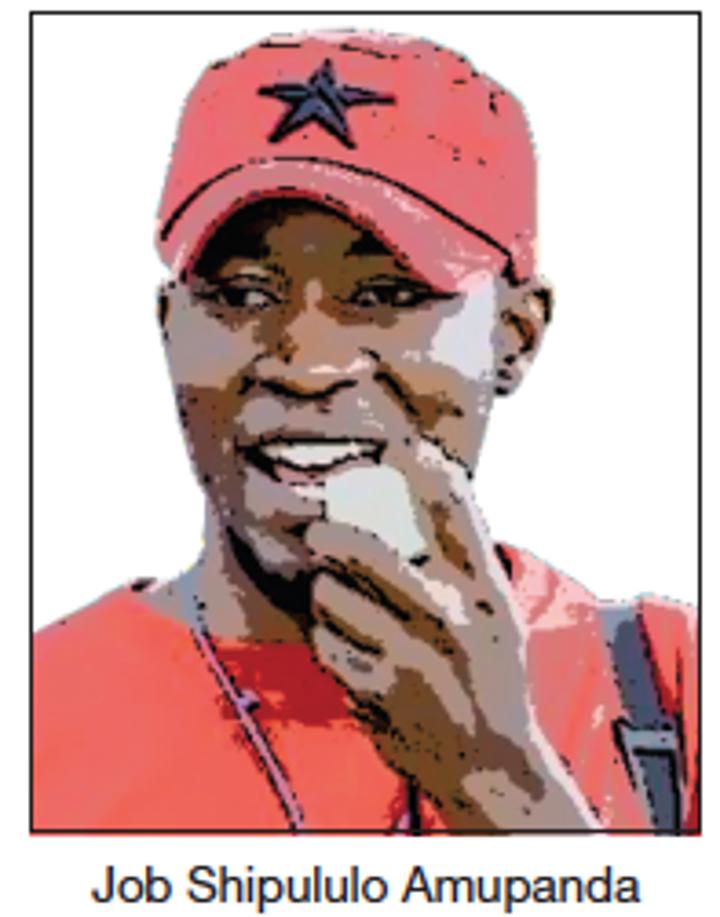
I hope that one day we’ll eradicate the city’s toxic factional corporate politics. * Job Shipululo Amupanda is a Mayor of Windhoek and holds a PhD in political studies from the University of Namibia.
For More News And Analysis About Namibia Follow Africa-Press