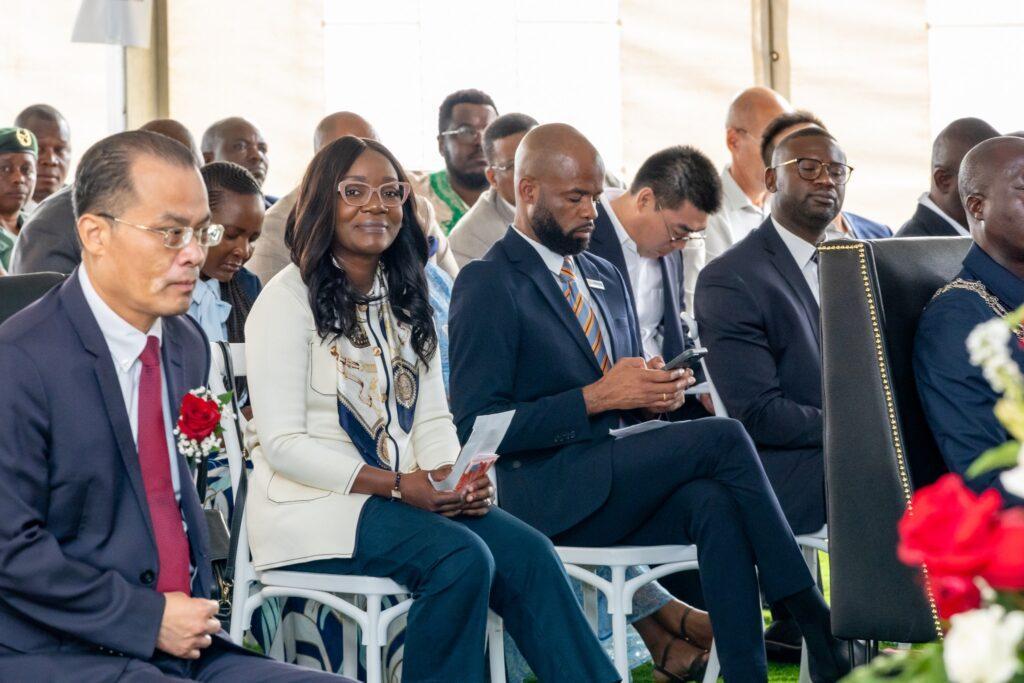
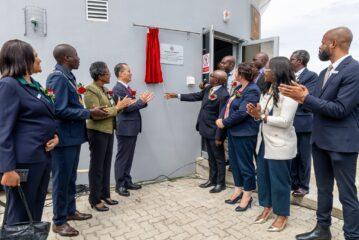
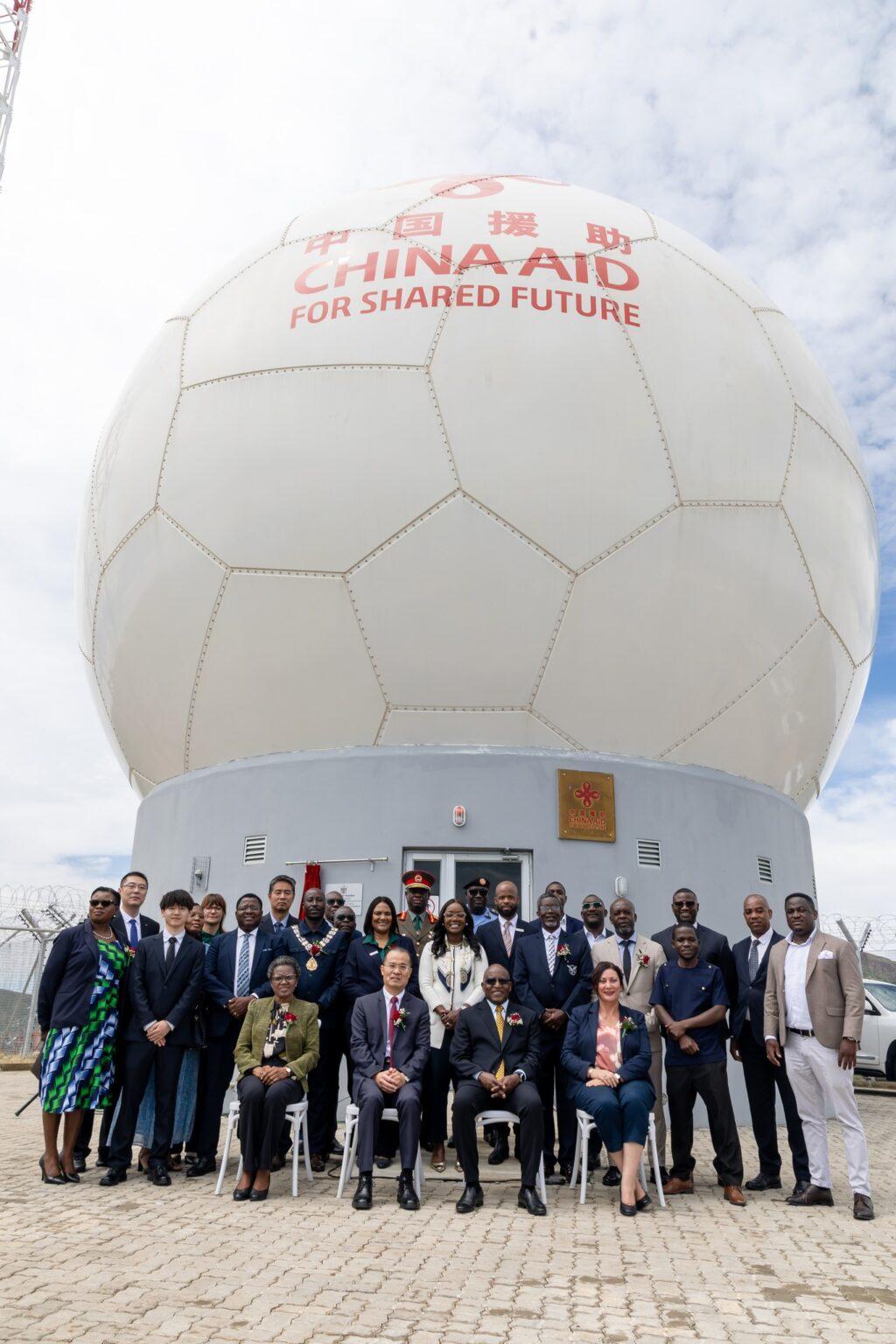
Africa-Press – Namibia. NAMIBIA has officially inaugurated a new Satellite Ground Data Receiving Station, enabling the country to contribute to the global space science industry.
“This marks a major milestone in the advancement of Science, Technology and Innovation as key enablers of national development. The official handover of the Satellite Ground Data Receiving Station represents a concrete step towards realising our national development objectives and our long-term industrialisation agenda. This agenda is driven by knowledge, innovation and modern technologies supported by state-of-the-art infrastructure,” the Prime Minister, Dr. Tjitunga Elijah Ngurare, said while speaking on behalf of President Netumbo Nandi-Ndaitwah at the inauguration and handover ceremony.
Ngurare revealed that the construction of the station was made possible through the support of the Government of the People’s Republic of China.
“This remarkable gesture solidifies the enduring friendship and strong bilateral relations between our nations. We are deeply thankful for the financial resources and technical expertise that facilitated the successful construction of this advanced facility. This support enables Namibia to join a select group of African countries with modern ground stations capable of receiving real-time satellite data. This data will significantly enhance evidence-based decision-making across key economic sectors,” Ngurare said.
He explained that the station will enable Namibia to transition from a passive consumer of space data to a strategic player in the global space science industry, the country is currently developing a legal framework.
“Last year, the Cabinet authorised the drafting of the Space Science and Technology Bill. This bill will establish a legal and institutional framework regulating space activities, ensuring compliance with international treaties, and strategically leveraging satellite technology to drive national industrialisation and socio-economic development,” Ngurare said.
The Prime Minister highlighted that, under the Sixth National Development Plan (NDP6), Namibia has strategically recognised space science as a practical engine for development. By integrating satellite data and cosmic research into the national strategy, he added, Namibia secures the tools necessary for environmental sustainability, resource management and socio-economic transformation.
“This facility directly supports the Human, Institutional and Infrastructure Development Programme outlined in NDP6. Its very existence signifies Namibia’s decisive move to strengthen and bolster our national Research, Science, Technology and Innovation (RSTI) infrastructure. The station modernises our national RSTI data management and most importantly serves as a training ground for building our human capital. Through this station, we ensure the next generation of Namibian Space Science and Technology experts possess the technical skills and scientific expertise needed to lead our nation into a high-tech industrialised nation,” Ngurare said.
He stressed that the facility will enhance Namibia’s capacity to respond effectively to climate change impacts such as drought, water scarcity, flood management and the sustainable utilisation of water resources. It will also improve land-use monitoring, prevent overgrazing, strengthen disaster risk management strategies, combat poaching and illegal fishing, and improve the overall management of natural resources.
In addition, he said, the facility presents a unique opportunity for the academic and research community to advance high-impact research, innovation and capacity-building. He explained that the station will provide direct access to research data, enabling scientists to receive raw data from Earth observation, climate and astronomical satellites.
“This will foster cutting-edge research. Additionally, the station will become a centre of excellence, training the next generation of scientists and engineers in space technology and applications,” Ngurare said.
He urged the academic sector to use the data generated by the facility to produce high-impact research that benefits the country.
“By transferring advanced technologies and building local capacity, we can empower young Namibians to become skilled engineers, innovators and entrepreneurs in space science. This will drive job creation, economic growth and the development of a thriving space science ecosystem in Namibia,” Ngurare added.
For More News And Analysis About Namibia Follow Africa-Press