Joanna Robin
Africa-Press – Namibia. The United Nations is on the cusp of negotiating an international tax convention to tackle inequality and tax abuse, but transparency advocates say some wealthy countries are “dragging their feet.”
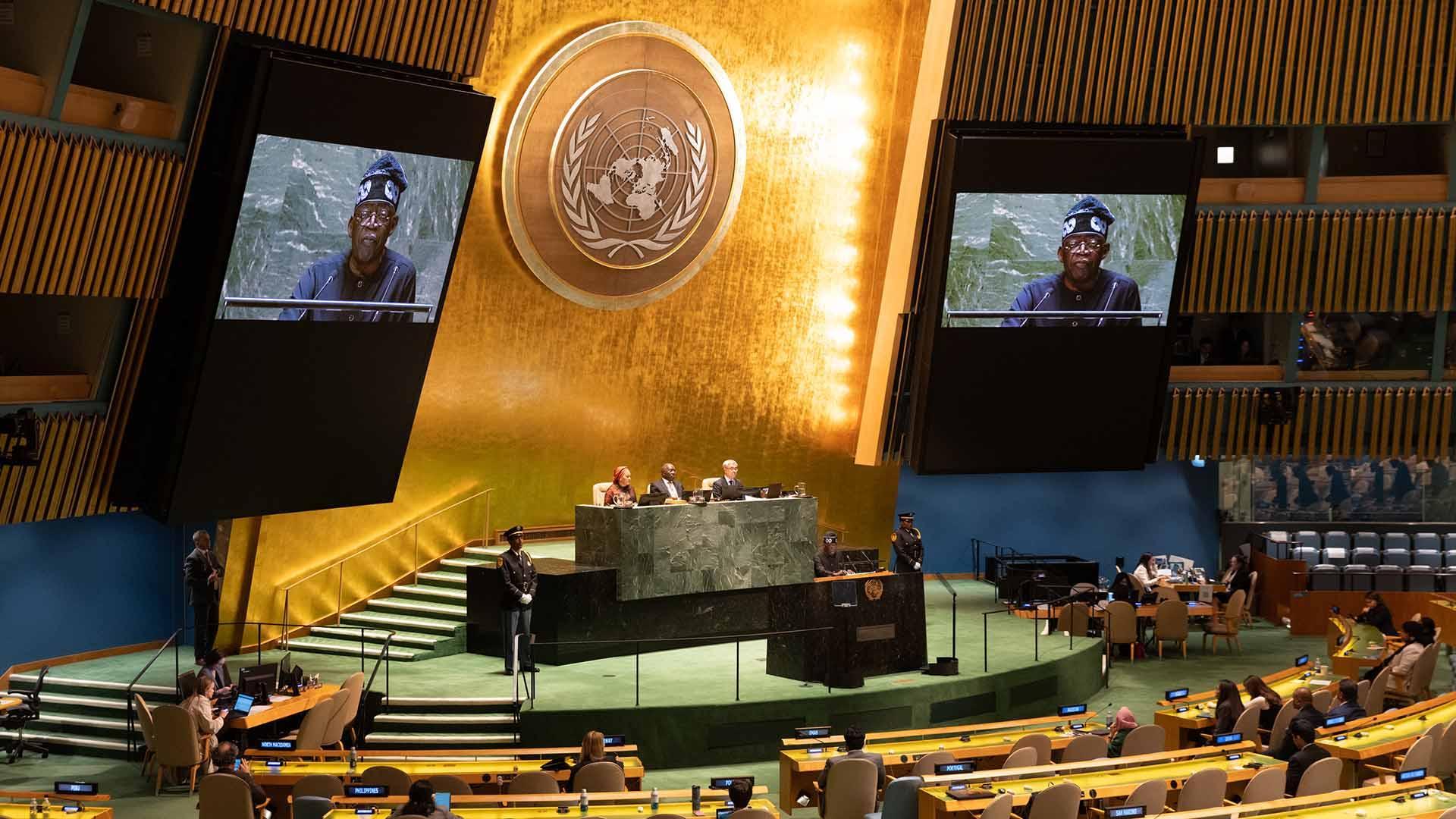
Nigeria has taken another big step toward shaking up the international tax system, calling for a legally-binding U.N. tax convention in a new draft resolution.
The resolution, filed on Oct. 11 on behalf of African member states, is the latest development in an ongoing tussle between the United Nations and the Organisation for Economic Co-operation and Development over which organization should shape the global tax agenda.
A U.N. tax convention would “strengthen international tax cooperation and make it fully inclusive and more effective,” the resolution said, echoing the wording of an earlier report by U.N. Secretary-General António Guterres, which criticized the OECD for ignoring the needs of developing countries.
For decades, international tax policy has been dominated by the OECD, a group of 38 mostly high-income countries, including the United States, the United Kingdom and Japan. But the outsized influence of the organization’s wealthy countries has led many lower-income countries, including some OECD members, to question whether a more representative body should take the reins.
“Two main features of the OECD are that it’s exclusionary — it’s a member organization that prioritizes the economic interests of its member states — and that it’s been shown not to have effective rule-making power,” said Alex Cobham, the chief executive of the Tax Justice Network advocacy group.
“The thing that, I think, has changed is that a lot of OECD members have also had to accept that it’s not even effective for them.”
If the draft resolution is adopted by the U.N. General Assembly at an upcoming vote in November, it will require the creation of an ad hoc intergovernmental committee of 10 member states, with equal gender and regional representation.
The committee will be tasked with drafting a U.N. tax convention by June 2025, taking into account “the needs, priorities and capacities of all countries, in particular developing countries and countries in special situations,” according to the resolution.
The resolution also calls for the committee to consider the impact of international tax rules on inequality, gender outcomes and the environment, and to decide how best to tackle “tax-related illicit financial flows.”
A separate resolution from the African member states, adopted at the end of last year, pushed for the U.N. to increase efforts to claw back revenue lost through tax evasion and avoidance. In August, the Tax Justice Network warned tax havens could cost countries nearly $5 trillion over the next decade.
For More News And Analysis About Namibia Follow Africa-Press