Africa-Press – Namibia. NAMIBIA’S northern neighbours are preparing to go to the polls on August 24.
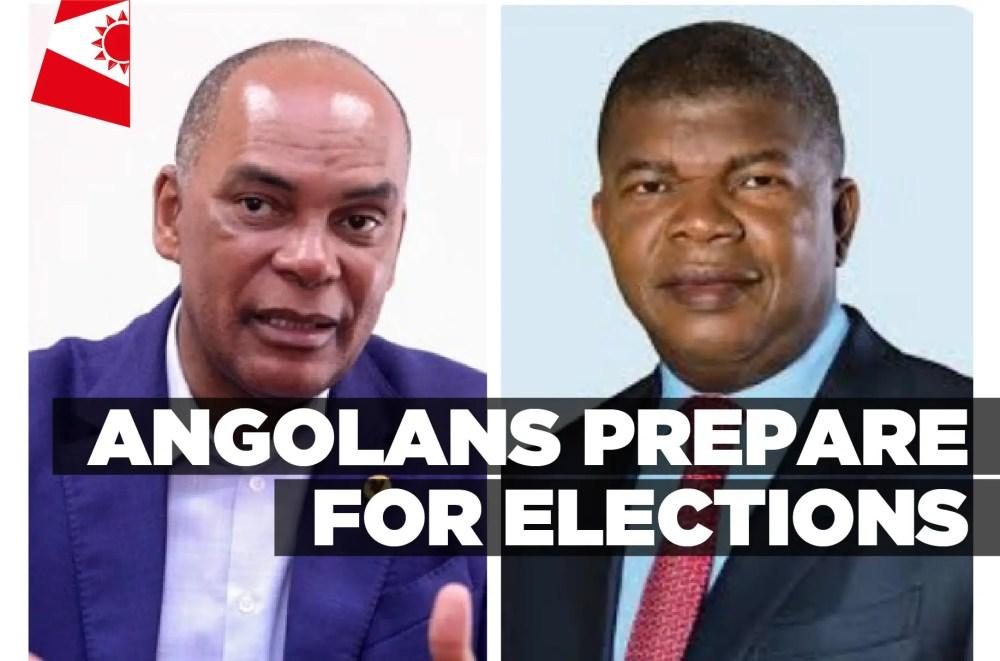
Angolans will elect the 220 members of parliament on the basis of proportional representation and also indirectly elect the country’s president.
The ongoing elections campaign is said to be largely peaceful.
Political parties have already started to hand their candidate lists to that country’s constitutional court and the two major parties — the ruling MPLA and opposition UNITA — were among the first to do so.
Each participating party is expected to submit a national list of 130 candidates plus five candidates for each of the 18 provinces for a total of 90 provincial candidates.
The person topping the national list of the winning party automatically becomes the country’s president. The number two becomes the vice president.
Currently, only five political parties have seats in the Angolan parliament: the MPLA, UNITA, CASA-CE, PRS and FNLA.
Other parties are expected to pop up to participate in this year’s elections.
The MPLA
The Popular Movement for the Liberation of Angola (MPLA) is Angola’s ruling party since independence in 1975.
It has won all four general elections held in Angola so far, but with a decreasing majority: from about 80% in 2008 to 70% in 2012 and 61% in 2017.
Its list is headed by president Joao Lourenco followed by Maria Eduardo da Costa, who would become the country’s vice president in the case of an MPLA victory.
The current vice president Bornito de Sousa and speaker of the national assembly Fernando da Piedade Dias dos Santos are placed fifth and sixth respectively.
UNITA
The former rebel movement, led by Jonas Savimbi since its founding in 1966 until his death in 2002, is currently Angola’s second biggest political party.
It has gradually increased its presence in parliament: from 16 seats in 2008, to 32 seats in 2012 and 51 in 2017.
Its national list is headed by its president Adalberto da Costa Junior, with Abel Chivukuvuku — who is not a UNITA member — at number two.
UNITA includes candidates from other political formations and civil society, while many party veterans opted out in order “to create a space for the young ones and the technocrats”.
Voting diaspora
Angolans residing outside the country will be voting — outside the country — for the first time.
Here in Namibia, the voting will take place in Windhoek, Oshakati and Rundu.
For More News And Analysis About Namibia Follow Africa-Press