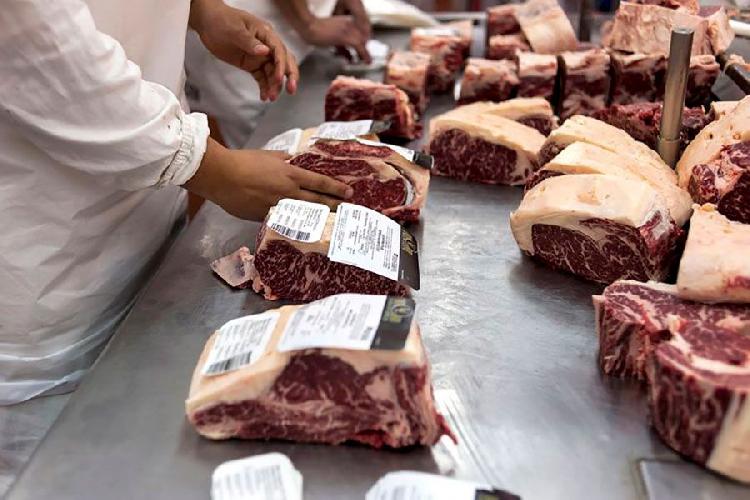
Africa-Press – Namibia. THERE is a need to watch beef developments in Norway as indications are that Namibia could possibly lose exports – especially since that country is raising production amid dropping beef demand.
THERE is a need to watch beef developments in Norway as indications are that Namibia could possibly lose exports – especially since that country is raising production amid dropping beef demand.
The Norway market is very important for Namibia as it provides good export earnings that contribute to the stability of the livestock and meat industry.
Namibia shares a 3 200-tonne quota for beef exports to Norway with Botswana, which, according to the Meat Board of Namibia, is administered under two different quota schemes, and from which the two countries raked in N$520 million in 2021.
The generalised system of preferences (GSP) quota of 2 700 tonnes is allocated to Namibia or Botswana on a first-come, first-served basis, and the two countries can access the market for the European Free Trade Association/Southern Africa Customs Union (Efta/Sacu) quota of 500 tonnes through a Norwegian auction.
However, according to the Meat Board, this lucrative market faces the risk of permanency as Norway moves towards a surplus, while beef consumption appears to be dropping despite growth in the country’s population.
“Although the Norwegian population is growing (0,5% in 2020), beef consumption per capita is steadily declining. On the other hand, domestic production is growing due to government incentives.
“This implies that by 2025, a balance between beef demand and supply may be reached or possibly even a surplus in the market, and this scenario will lead to an increase in pressure on the Norwegian government to reduce unilateral tariff-free import quotas under the GSP arrangement,” the Meat Board says.
The board therefore believes ongoing Sacu negotiations are critical for the migration of the GSP quota to the Sacu/Efta arrangement.
“However, the Sacu/Efta quota is based on the Norwegian beef import auction system which adds costs to the export value chain.
“It is therefore imperative for Namibia to negotiate the shift to the Sacu/Efta quota to be accompanied by an exemption from this auction mechanism,” the Meat Board advises.
According to the Meat Board, Namibian beef is well placed in Norway and commands high returns.
Namibia receives better prices than Botswana.
In 2021 Namibia exported its full quota to Norway and tapped into the Botswana quota as it could only utilise 865 tonnes out of the allowable 1 600 tonnes, the board says.
Namibia’s beef export value continued to increase over the years, while Botswana’s revenues are on a steady decline due to production challenges and relatively lower price realisation from the Norwegian market.
Calculations by the Meat Board show that although Namibia’s average export prices increased marginally from N$189 per kilogramme in 2020 to N$190,75 in 2021, the value of exports increased tremendously due to an improvement in export quantity.
On the other hand, Botswana’s export prices increased marginally from N$100,10 per kilogramme to N$101,40.
Given the unilateral nature of the GSP quota, the Norwegian government may at any time withdraw it.
It is important that efforts should be geared towards shifting a substantial quantity of beef to the Sacu/Efta regime, which could assure permanency and stability of Namibian exports to Norway.
In terms of priorities, Sacu would be better off negotiating for a transfer of the GSP quota to the Sacu/Efta arrangement as a first priority to guarantee the quantity and thereafter negotiate for an increase in quota altogether, the Meat Board says.
It also says a shift to first-come, first-served basis would be more advantageous than the current auction system with respect to the Sacu/Efta arrangement as it would allow exporters to choose importers that can provide the highest prices.
Sacu as a negotiating unit should be able to advance a request for culminating inputs between Namibia and Botswana so that Namibia can access the Norway market with meat derived from Botswana cattle and vice versa.
This would strengthen value-chain integration in the region and reduce the risk of the non-fulfilment of quotas, says the board.
Email: [email protected]
The Norway market is very important for Namibia as it provides good export earnings that contribute to the stability of the livestock and meat industry.
Namibia shares a 3 200-tonne quota for beef exports to Norway with Botswana, which, according to the Meat Board of Namibia, is administered under two different quota schemes, and from which the two countries raked in N$520 million in 2021.
The generalised system of preferences (GSP) quota of 2 700 tonnes is allocated to Namibia or Botswana on a first-come, first-served basis, and the two countries can access the market for the European Free Trade Association/Southern Africa Customs Union (Efta/Sacu) quota of 500 tonnes through a Norwegian auction.
However, according to the Meat Board, this lucrative market faces the risk of permanency as Norway moves towards a surplus, while beef consumption appears to be dropping despite growth in the country’s population.
“Although the Norwegian population is growing (0,5% in 2020), beef consumption per capita is steadily declining. On the other hand, domestic production is growing due to government incentives.
“This implies that by 2025, a balance between beef demand and supply may be reached or possibly even a surplus in the market, and this scenario will lead to an increase in pressure on the Norwegian government to reduce unilateral tariff-free import quotas under the GSP arrangement,” the Meat Board says.
The board therefore believes ongoing Sacu negotiations are critical for the migration of the GSP quota to the Sacu/Efta arrangement.
“However, the Sacu/Efta quota is based on the Norwegian beef import auction system which adds costs to the export value chain.
“It is therefore imperative for Namibia to negotiate the shift to the Sacu/Efta quota to be accompanied by an exemption from this auction mechanism,” the Meat Board advises.
According to the Meat Board, Namibian beef is well placed in Norway and commands high returns.
Namibia receives better prices than Botswana.
In 2021 Namibia exported its full quota to Norway and tapped into the Botswana quota as it could only utilise 865 tonnes out of the allowable 1 600 tonnes, the board says.
Namibia’s beef export value continued to increase over the years, while Botswana’s revenues are on a steady decline due to production challenges and relatively lower price realisation from the Norwegian market.
Calculations by the Meat Board show that although Namibia’s average export prices increased marginally from N$189 per kilogramme in 2020 to N$190,75 in 2021, the value of exports increased tremendously due to an improvement in export quantity.
On the other hand, Botswana’s export prices increased marginally from N$100,10 per kilogramme to N$101,40.
Given the unilateral nature of the GSP quota, the Norwegian government may at any time withdraw it.
It is important that efforts should be geared towards shifting a substantial quantity of beef to the Sacu/Efta regime, which could assure permanency and stability of Namibian exports to Norway.
In terms of priorities, Sacu would be better off negotiating for a transfer of the GSP quota to the Sacu/Efta arrangement as a first priority to guarantee the quantity and thereafter negotiate for an increase in quota altogether, the Meat Board says.
It also says a shift to first-come, first-served basis would be more advantageous than the current auction system with respect to the Sacu/Efta arrangement as it would allow exporters to choose importers that can provide the highest prices.
Sacu as a negotiating unit should be able to advance a request for culminating inputs between Namibia and Botswana so that Namibia can access the Norway market with meat derived from Botswana cattle and vice versa.
This would strengthen value-chain integration in the region and reduce the risk of the non-fulfilment of quotas, says the board.
For More News And Analysis About Namibia Follow Africa-Press