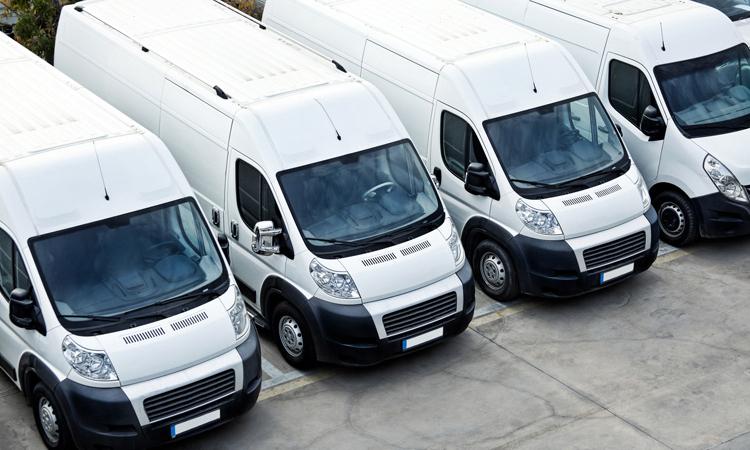
Africa-Press – Namibia. COMMERCIAL vehicles recorded the highest annual increases in units sold during September 2022 which is indicative of the potential growth in the road cargo segment of the transport sector.
COMMERCIAL vehicles recorded the highest annual increases in units sold during September 2022 which is indicative of the potential growth in the road cargo segment of the transport sector.
According to the National Association of Automobile Manufacturers of South Africa (Naamsa), new vehicle sales slightly slowed in September, decreasing by 3,2% month-on-month but rising by 32,47% on an annual basis.
A total of 1 018 units were sold during September 2022, compared to 1 052 units in August 2022 and 767 in September 2021.
According to economic analysts Simonis Storm, this was the best September in terms of new vehicle units sold since 2019.
Overall, year-to-date (YTD) vehicle sales are trending above levels seen in the last two years.
“This is despite Namibia being in an interest rate hiking cycle. In our view, some local banks perceive car loans as higher risk in the current economic environment, and this has constrained vehicle sales in recent months,” said Simonis.
Indeed, local dealerships have confirmed that a large number of customers had seen their car loan applications rejected.
Household installment credit has been lacklustre (averaging 0,9% YTD), whereas corporate installment credit has recorded double digit growth in recent months.
“This is in line with increases in new commercial vehicle sales that we have observed during the same time.”
Namibia’s cargo is largely transported by road, making the sector quite important.
As usual, the top five brands in terms of market share of new vehicles sold were Toyota (45,3%), Volkswagen (12,7%), Ford (5,0%), Nissan (4,8%) and Kia (4,5%).
“These five brands accounted for 72,3% of all vehicles sold in September. However, other brands with lower market shares recorded higher annual growth rates in units sold during September.”
Local car rental companies purchased a total of 162 vehicles during Namibia’s peak tourist season (May to September) this year, compared to 240 vehicles bought in last year’s peak tourist season.
“This is indicative of major global supply constraints still limiting available stock at local dealerships as we know that there is significant demand from rental companies who want to expand their fleets,” said Simonis.
High demand stems from a significant improvement in tourist inflows this year with the lifting of Covid restrictions.
Email: [email protected]
According to the National Association of Automobile Manufacturers of South Africa (Naamsa), new vehicle sales slightly slowed in September, decreasing by 3,2% month-on-month but rising by 32,47% on an annual basis.
A total of 1 018 units were sold during September 2022, compared to 1 052 units in August 2022 and 767 in September 2021.
According to economic analysts Simonis Storm, this was the best September in terms of new vehicle units sold since 2019.
Overall, year-to-date (YTD) vehicle sales are trending above levels seen in the last two years.
“This is despite Namibia being in an interest rate hiking cycle. In our view, some local banks perceive car loans as higher risk in the current economic environment, and this has constrained vehicle sales in recent months,” said Simonis.
Indeed, local dealerships have confirmed that a large number of customers had seen their car loan applications rejected.
Household installment credit has been lacklustre (averaging 0,9% YTD), whereas corporate installment credit has recorded double digit growth in recent months.
“This is in line with increases in new commercial vehicle sales that we have observed during the same time.”
Namibia’s cargo is largely transported by road, making the sector quite important.
As usual, the top five brands in terms of market share of new vehicles sold were Toyota (45,3%), Volkswagen (12,7%), Ford (5,0%), Nissan (4,8%) and Kia (4,5%).
“These five brands accounted for 72,3% of all vehicles sold in September. However, other brands with lower market shares recorded higher annual growth rates in units sold during September.”
Local car rental companies purchased a total of 162 vehicles during Namibia’s peak tourist season (May to September) this year, compared to 240 vehicles bought in last year’s peak tourist season.
“This is indicative of major global supply constraints still limiting available stock at local dealerships as we know that there is significant demand from rental companies who want to expand their fleets,” said Simonis.
High demand stems from a significant improvement in tourist inflows this year with the lifting of Covid restrictions.
For More News And Analysis About Namibia Follow Africa-Press