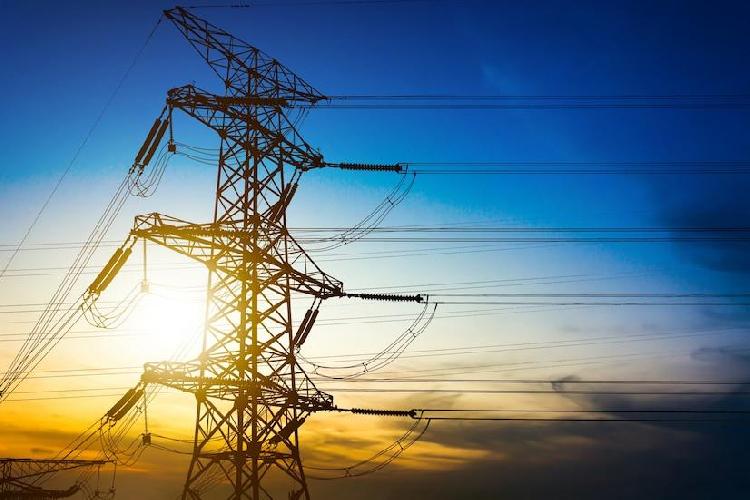
Africa-Press – Namibia. THE Electricity Control Board (ECB) has given the national power utility, NamPower, the go-ahead to increase the cost of electricity to distributors – another yet expected painful blow to already struggling consumers.
This increase is effective from 1 July and will apply to electricity distributors and NamPower bulk customers, such as regional electricity distributors (REDs), local authorities, regional councils, and mines.
The average bulk increase of 7,3% will push the average price from N$1.6982 per kilowatt-hour (kWh) to N$1.8222 per kilowatt-hour for the 2022/23 financial year. This increase is supposed to be more, but the government has reportedly put down N$100 million to mitigate the impact of the increase.
NamPower reportedly submitted a tariff application for an effective bulk tariff (inclusive of generation and transmission) increase of 12,78%, but after considerations, a lower average bulk tariff increase of 7,3% was approved.
As part of the approval decision, ECB acting chief executive officer Rachel Boois says the Ministry of Mines and Energy has made N$100 million available through the National Energy Fund (NEF), to mitigate the impact of the increase on consumers.
The allocated funds will be used for energy-related variable costs of NamPower in consultation with the ECB, Boois says. “The ECB consulted different stakeholders through a stakeholder meeting, at which NamPower presented its application to stakeholders.
“The stakeholders were requested to present their views, facts, and evidence on the tariff application. Submitted comments were considered in the decision-making process leading to the tariff approval,” she says. Namibia is considered to be one of the countries with the highest electricity costs, which are constantly on the rise.
These costs are part of why the country scores low on ease of doing business, and have been highlighted by international lenders such as the International Monetary Fund as deductions from the potential economic productivity of the country.
The IMF in 2019 said utility costs (water and electricity) in Namibia are so high that there was a need to remove the contributing factors to high electricity costs.
At the time, Namibia’s electricity tariffs were some of the highest in the Southern African Development Community region, and were on average 20% to 25% higher than in South Africa, although the difference has been reducing since 2007.
Unlike most countries in the region, where tariffs are often subsidised, electricity tariffs in Namibia are cost-reflective. The high generation, transmission and distribution costs are mainly due to the low density of the population and low utilisation of capacity.
Under these circumstances, Boois says in increasing the prices, the ECB is cognisant of the fact that the economy is affected by the impact of the Covid-19 pandemic, but is equally dependent on reliable and affordable electricity supply.
It is the responsibility of the regulator to ensure a sustainable electricity industry at affordable tariffs, she says. “Future tariffs are expected to increase in line with inflation and to cater for new generations as per the National Integrated Resource Plan.
“However, we must realise that external factors, such as the weather, foreign-exchange fluctuations, and other unforeseen circumstances may affect the projected price path and must be taken into consideration when reviewing future tariff applications,” she says.
For More News And Analysis About Namibia Follow Africa-Press