Africa-Press – Namibia. SOME Namibian families are forced to shrink their meals as the price of food and other household goods continue to drain their pockets.
On top of this, Namib Mills, blaming Russia’s invasion of Ukraine, has announced price increases of between 3% and 6% for rice, bread flour, pasta, maize meal and other basic necessities. The price hikes come into effect on 25 April.
The rising cost of basic household goods is, however, not new and can be blamed on continuous oil price increases. Some Windhoek residents yesterday told The Namibian they can no longer afford to eat three meals a day.
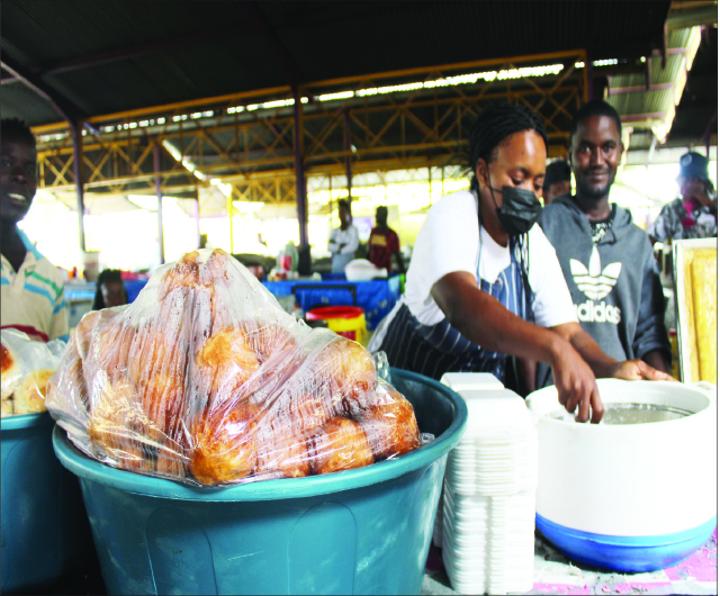
“No one cooks every day. We now have to minimise cooking,” said a vendor at the Katutura Single Quarters, who prefers to remain anonymous. Swatting flies away from her baked vetkoek, the vendor bemoaned the price increases. “It is getting harder for us every day,” she said.
“Namib Mills is increasing prices often. This year they have already started increasing, and now they are increasing again. That is not fair,” she said.
The price increases are affecting suppliers, vendors and producers. Namib Mills recently announced that the ongoing war between Russia and Ukraine has amplified already increasing global food and energy costs.
The price of wheat, for example, has increased by 93% over the last 12 months, and 43% in the last month. This has led to an increase in the cost of raw wheat and wheat-based products.
Namib Mills said a variety of factors contribute to price increases, including rising transport costs, supply-chain disruptions, and rising prices of maize and wheat.
Additionally, the cost of paper and plastic packaging materials have also increased, directly affecting the production cost of goods. White maize prices have also increased on the back of the ongoing war – by 11% in the last month. STRUGGLING TO SURVIVE A small corner shop owner in Katutura fears for the survival of her business.
“We will not get a profit any more because of this increase in prices. There will not be enough money to serve and provide for the family because, we are gonna put all this money into the stock, and I am the only one in the family who earns some money,” she said.
“It has already started affecting our business. Even if we say we are going to increase our prices, customers are not going to buy, as we are currently struggling to get customers,” she said.
Juliana Kahuure (35) said if there’s another increase, she doesn’t know how her small business would survive. “Maybe it’s just poverty in itself,” she said.
‘LIVE WITHIN YOUR MEANS’ Local economist Mally Likukela yesterday said the price increases as introduced by Namib Mills sends the message to live within one’s means.
“But what is left of these means?” he said. Price increases are not only bad for consumers, but for retailers too, he said. Likukela said price increases are often in response to price shocks on the supply side.
“Businesses would probably also not make profits because high prices in the current economy mean many consumers cannot afford products, which can eat into how much profit is made,” he said.
Likulela said the current price increases are just the beginning, and the future does not look promising. “It is really a double-edged sword for both consumers and businesses,” he said.
Likukela said while other countries are shielding their citizens from price increases, the Namibian treasury has no fiscal space to offer any shield. Simonis Storm Securities analyst Theo Klein said Namib Mills’ announcement does not come as a surprise.
It will, however, add pressure to the incomes of many. “We are vulnerable to global prices, because we import a great deal of our products, and the other thing is the government does not have the physical space to really intervene for us with the local markets.”
Klein proposes a basic income grant. “The government could probably give people a basic income grant, especially for those who earn a very basic salary.” Klein said now is the time for ubuntu and harambee.
“Now is the time for friends and family to help each other financially where they can. It is definitely not a time to be buying luxuries, but to spend your money wisely and make wise financial decisions.”
For More News And Analysis About Namibia Follow Africa-Press