Africa-Press – Namibia. The health ministry has deployed various new strategies and mechanisms to ensure that the recurring shortage of essential medicines at public health facilities countrywide becomes a thing of the past.
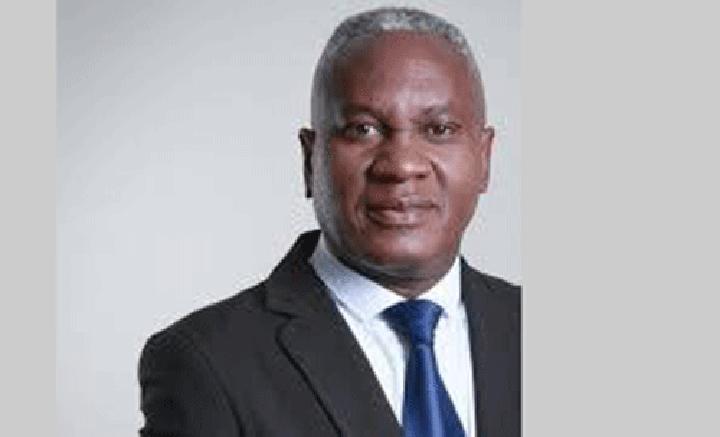
Penda Ithindi, the health ministry’s executive director, said the ministry has been working around the clock to enhance healthcare delivery, ensure consistent access to critical medicines and enforce new guidelines that will optimise stock management across all healthcare facilities.
As part of the ministry’s newly introduced policy mandates, it is now mandatory that all medicines be maintained at a minimum supply level of 14 months until the next refill, with critical medicines secured for at least eight months until the next procurement.
“We want to be proactive, not wait until stocks run out before procuring.
To facilitate this, the ministry will strengthen the existing medical store information system, ensuring real-time monitoring of stock levels across various locations.
We should be able to simultaneously see the medicine stock levels in Windhoek, Keetmanshoop, Omuthiya and other places, all at the same time. That is the direction we are now taking,” he said.
Ithindi underscored that the enhanced system aims to provide instant, consolidated data on medication inventories, enabling swift decision-making and efficient resource allocation.
In recent weeks, the country’s public health facilities have faced an ongoing structural medicine shortage, with national pharmaceutical stock levels recently hovering at around 60%.
Essential treatments, which include medication for hypertension, diabetes, epilepsy, and eye conditions like glaucoma and others, have been chronically low, forcing many patients to buy medicines out of pocket at private pharmacies.
Although the ministry has targeted an 80% stock availability, systemic inefficiencies have left stocks of critical medicines at levels of around or below 60%.
Ithindi also said another major challenge is the lengthy process and paperwork involved in quality verification and registration of medications prior to dispatchment but assured that they are actively working to streamline these procedures to reduce delays and improve supply chain efficiency.
“Current assessments reveal that stock levels for certain critical medicines such as those used for hypertension, diabetes, cancer, and other illnesses are below optimal levels, with some facilities experiencing shortages or complete stockouts,” he stated.
Simultaneously, long-term strategies are being developed to enhance supply chain resilience, including procurement process reforms and increased storage capacity.
For More News And Analysis About Namibia Follow Africa-Press