Africa-Press – Namibia. THE Ministry of Environment Forestry and Tourism has rubbished reports that Namibia has sought India’s support to have a United Nations ban on commercial ivory trade lifted in exchange for the translocation of cheetahs to the Asian country.
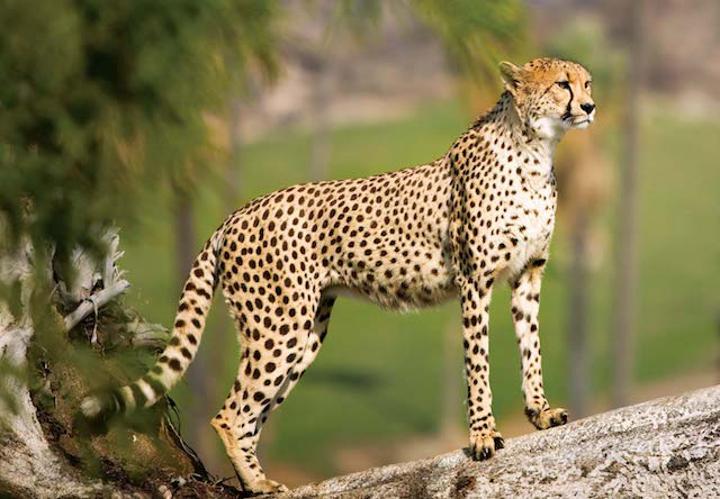
A five-member Indian delegation met with Namibian officials late last year to discuss the translocation of cheetahs to the Asian country. Indian officials who formed part of the discussions in Namibia were subsequently quoted in the Indian media as saying that Namibia has placed conditions on the sending of wildcats to India.
They claim Namibia wants support for the lifting of the ban on commercial ivory trade before they can accede to the request to donate the animals to India.
Wildlife body parts, including ivory, are banned under the United Nations Convention on International Trade in Endangered Species of Wild Fauna and Flora (Cites).
Namibia is, however, one of few countries that are campaigning for Cites to lift the ban on animal products to enable them to sell stockpiles of ivory and other wildlife products internationally.
Ministry of environment and tourism spokesperson Romeo Muyunda confirmed the meeting between Namibian and Indian government officials, which he said was facilitated by the Indian embassy in Windhoek. He, however, said the reports about seeking support from India on the lifting of ivory sales ban in exchange for the cheetahs were untrue.
He said the two parties entered into a memorandum of understanding on the sustainable utilisation of natural resources “in general” but not specifically on seeking support for the lifting of the ivory sales ban.
Muyunda said India was sourcing the cheetahs through the Cheetah Conservation Fund and that the Namibian government would merely facilitate the official permits to enable their translocation.
The Indian government was still studying the agreement, Muyunda confirmed. Indian officials said they had expected the first translocation of three to five cheetahs to take place last month but the process was delayed as a result of the unsigned agreement.
Namibia, along with southern African neighbours Angola, Botswana, Zimbabwe and Zambia have formally appealed to Cites to have the ivory trade ban lifted. Together, these countries constitute the Kavango-Zambezi Transfrontier Conservation Area which holds two-thirds of the continent’s approximately 400 000 African elephants.
Namibia will have another stab at having the ban lifted when the matter returns to the Cites agenda at its meeting in Lyon, France, next month. Several countries, including India, have been approached to support Namibia’s quest to have the ivory trade ban lifted.
For More News And Analysis About Namibia Follow Africa-Press