Africa-Press – Namibia. Namibia’s strategic focus on bolstering local crop production, enhancing agricultural exports, developing innovative food security systems and reducing reliance on imported food items by at least 80% is starting to bear results.
Through the National Development Plan (NDP6), the country has set an ambitious target to become food self-sufficient by 2030.
During President Netumbo Nandi-Ndaitwah’s recent state of the nation address, she assured that Namibia is well on course to achieve that objective.
During the 2025/26 production season, Namibia exported agricultural products valued at approximately N$2 billion, totalling around 90 000 metric tonnes.
The export profile was dominated by table grapes, which accounted for 62%.
This is followed by tomatoes at 14%, highlighting Namibia’s growing presence in regional and international markets and further leveraging its expanding agribusiness sectors.
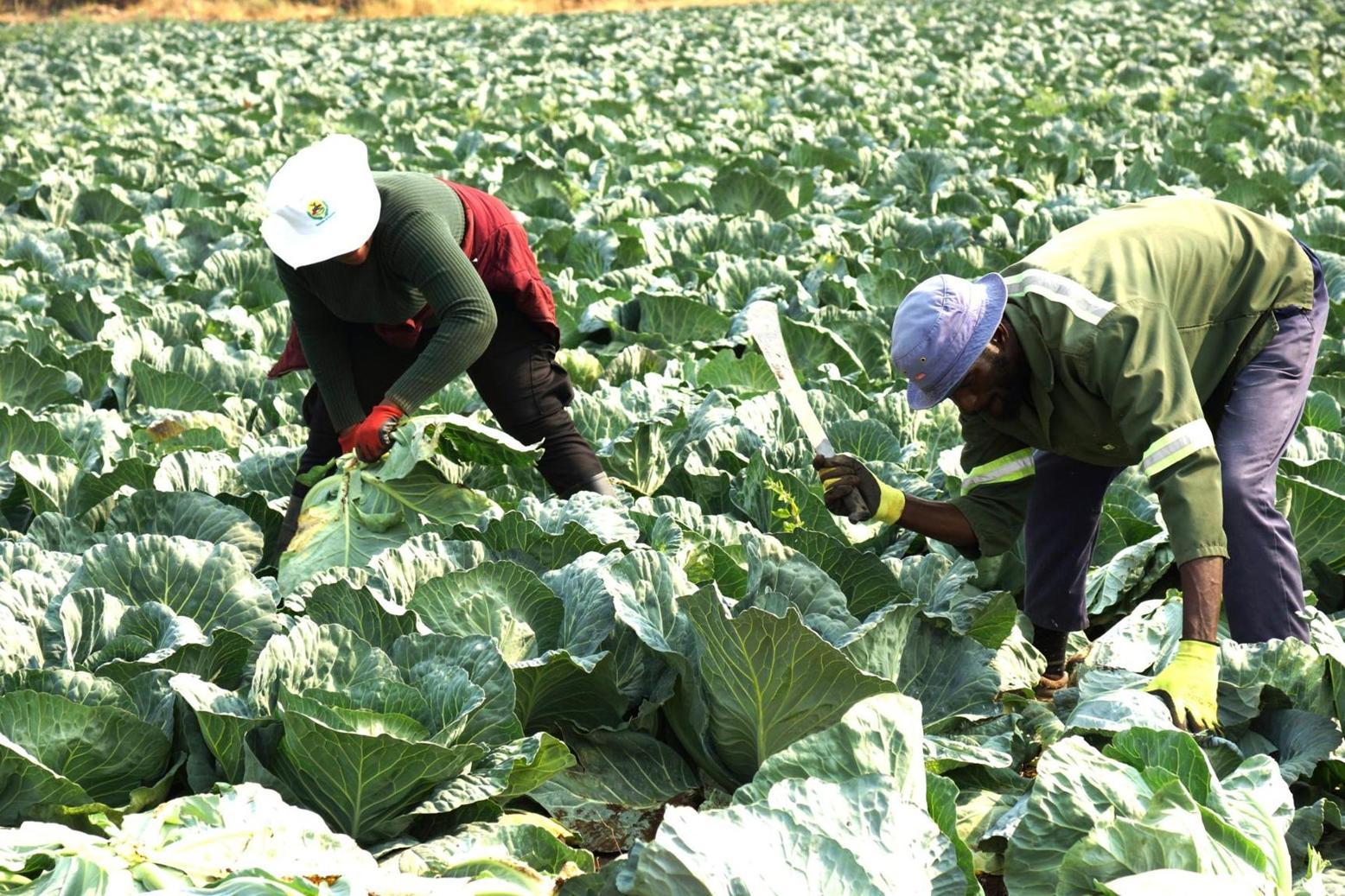
Namibia’s ongoing efforts to increase domestic food production are evident in the rising share of local fruits and vegetables.
They speak to the innovative production systems currently being deployed.
During the period under review, the country’s fruit production expanded from 4% to 6% of the market, while the country holds a 56% market share in vegetables valued at over N$323 million.
This surpasses imported vegetables, which constitute 44% of the market, valued at N$257 million.
During her speech, Nandi-Ndaitwah highlighted the significant progress the country has made towards full food self-sufficiency, but said more work remains in progress.
“The continued investment in agricultural infrastructure, technology adoption and value chain development will be critical. The government’s integrated approach, which includes crop production, livestock farming and aquaculture, will create a resilient, sustainable, and self-reliant food system by 2030. These developments reflect successful initiatives to promote local agriculture and reduce dependence on imports,” stated Nandi-Ndaitwah.
Progress
Namibia also significantly increased its white maize output, from 33 000 metric tonnes to 69 541 metric tonnes by the end of the 2025 marketing season.
The country’s green schemes, which are a flagship agricultural programme, have made notable strides, with 6 758.65 metric tonnes of maize harvested from 1 133.38 hectares, generating N$56.9 million, including an additional N$10.5 million from the 609 hectares of wheat cultivated during the same period.
This growth accounts for approximately 31% of the nation’s total consumption, which is vital for ensuring food security and stabilising prices.
To support this growth, the Namibian Correctional Service (NCS) emerged as a key player in the national food security strategy with its diverse range of agricultural and livestock products, which include maize, wheat, lucerne, vegetables, fruits, pork, beef, mutton, goat meat, chicken and eggs valued at N$22.6 million.
The NCS not only helped reduce the country’s food import bill but also promoted self-reliance within correctional facilities and surrounding communities.
Agriculture remains one of Namibia’s most important sectors, as about 70% of the country’s population depends directly or indirectly on agriculture for their income and livelihood, mostly in the subsistence sector.
There are two main types of farming in Namibia: commercial and subsistence.
The country’s commercial agricultural sector is complemented by a large informal sector characterised by subsistence farming.
The commercial sector covers about 44% of the total land area, though it accommodates only 10% of the population.
For More News And Analysis About Namibia Follow Africa-Press